When life feels overwhelming, deciding what to eat can become another job. A realistic starting point is a meal you can manage, a drink of water and a few dependable foods in the cupboard—not an expensive collection of “stress-busting” ingredients.
No single food on this list is a proven treatment for stress or an anxiety disorder. The National Institute of Mental Health recommends regular, healthy meals and hydration as part of self-care. Food can support your everyday needs while you also address sleep, workload, relationships and any care you need.

What food can—and cannot—do
A nutritious food and an effective anxiety treatment are different things. Finding a vitamin in a food does not show that eating more of it will calm you down. A study of a concentrated extract also cannot tell us what an ordinary cup of tea or serving of a spice will do.
Start with variety and enough food, rather than trying to control individual stress hormones. The NHS balanced-diet guide includes fruit and vegetables, starchy foods, protein foods, dairy or suitable alternatives, and some unsaturated fats. You do not need to buy all 15 items below or eat them every day.
Choose according to your preferences, budget, allergies and medical needs. A sandwich, a ready-prepared meal with vegetables, or beans on toast can be a sensible option when cooking from scratch is unrealistic. Eating something manageable is a more useful goal than making every meal perfect.
15 simple food and drink ideas
These are practical ways to use familiar ingredients. The order is not a ranking of their ability to reduce stress.
1. Dark chocolate
If you enjoy dark chocolate, a little alongside fruit or after a meal can be a pleasant choice. It does not need to be prescribed as medicine, and choosing a particular cocoa percentage does not establish an anxiety benefit.
Make it easy: Break a few pieces into a bowl with strawberries or an orange. Chocolate contains caffeine, so consider an earlier time of day if it seems to disturb your sleep. Milk chocolate is not a moral failure; choose what you enjoy in an amount that fits your usual eating pattern.
2. Avocado
Avocado is convenient for turning toast or a wrap into something more substantial. Mash it with lemon, then add an egg, beans or another protein food. If it is expensive where you live, you do not need it specifically: hummus is another straightforward sandwich filling.
One claim to disregard is that avocado supplies vitamin B12. NIH guidance explains that unfortified plant foods do not naturally provide B12. Avocado is not a substitute for appropriate B12 sources in a vegan diet.
3. Cashews or another nut you like
Nuts are portable and require no cooking. Cashews can be part of a snack or scattered over a meal, but there is no basis for promising that a serving will reduce anxiety by a particular percentage.
Make it easy: Keep unsalted nuts with fruit in your work bag, or add them to a rice bowl. Nuts provide some zinc, according to the NIH zinc fact sheet; this does not make extra zinc a stress treatment. Avoid nuts if you are allergic.
4. Garlic
Garlic’s most dependable contribution here is flavor. It can make an ordinary bowl of beans, pasta or vegetables more appealing without requiring a complicated recipe.
Make it easy: Use a little frozen chopped garlic or garlic powder in a tomato-and-bean sauce. Adjust the amount to your taste and leave it out if it troubles your digestion. You do not need raw cloves, garlic shots or supplements to make this a worthwhile meal.
5. Chamomile tea, if suitable for you
A caffeine-free drink may fit a quiet evening routine. However, preliminary research on chamomile supplements is not proof that tea treats an anxiety disorder or insomnia. NCCIH describes the evidence as limited.
Chamomile can cause allergic reactions, particularly in people allergic to related plants such as ragweed. Medicine interactions have been reported, including with warfarin. Ask a pharmacist about suitability if you take medicines, and seek advice during pregnancy or breastfeeding. Plain warm water is an equally simple option when herbal tea is unsuitable.
6. Popcorn
Popcorn is an option when you want a crunchy snack. It will not make worries disappear, but enjoying a snack does not require a medical explanation.
Make it easy: Prepare plain popcorn and season it lightly with paprika or another spice you like. Check microwave-pack instructions and ingredients. If you are actually hungry for dinner, use the snack as a bridge while you prepare a meal rather than expecting popcorn alone to cover all your needs.
7. Oranges or easy-peel citrus
Fruit that needs little preparation can be particularly useful on busy days. Oranges provide folate, among other nutrients, but having folate in a food does not demonstrate that it treats anxiety.
Make it easy: Keep easy-peel oranges near your lunch supplies. Add orange segments to a salad, or eat one alongside toast and a protein food. The useful feature is convenience and variety, not a promised drop in cortisol after eating.
8. Green tea—or a lower-caffeine alternative
Green tea can be an enjoyable drink, but it contains caffeine. It may be the wrong choice if caffeine leaves you shaky, more anxious or awake at night. Decaffeinated tea contains less caffeine, rather than necessarily none.
Make it easy: Choose a drink you already tolerate and notice how it affects you. Do not force yourself to drink several cups because of a “stress relief” headline. Ordinary brewed tea and concentrated green-tea extract capsules are different products, with different risks.
9. Grapes
Grapes can be an easy addition to a snack or packed lunch. Freezing them changes their texture; it does not turn them into a stress remedy.
Make it easy: Wash grapes before eating and serve them fresh alongside yogurt or a sandwich. If you prefer them chilled, keep a small bowl in the fridge. Choose another fruit if grapes are expensive or inconvenient—the goal is a food you will actually use.
10. Beetroot
Ready-cooked beetroot is useful when roasting vegetables feels like too much effort. It brings color and an earthy flavor to a meal, without any need to describe it as a hormone treatment.
Make it easy: Chop it into cooked lentils with a little oil and lemon, or add slices to a sandwich with cheese or hummus. Plain cooked and pickled versions taste different; check the label and choose the one that suits your meal.
11. Blueberries or mixed berries
Berries are versatile in breakfasts and snacks. Antioxidant language on a packet does not establish that the food will relieve your stress or protect you from every brain-health problem.
Make it easy: Stir fresh berries into yogurt or oats. Frozen berries can be convenient, but follow their package instructions, including any cooking directions. Mixed berries, an apple or a banana are reasonable alternatives; there is no requirement to buy blueberries specifically.
12. Spinach
Spinach is one of the dark green vegetables that supplies folate. That is a nutrition fact, not evidence that a spinach meal instantly raises “happy hormones.”
Make it easy: Add fresh leaves to an omelet or cook frozen spinach into lentil soup, following the pack’s instructions. Use whichever form is affordable and practical. If you have been given dietary instructions for a medical condition or medication, follow those rather than dramatically changing your intake.
13. Salmon
Salmon supplies the omega-3 fats EPA and DHA. These fats have normal roles in the body, but eating salmon does not guarantee a calm or stress-free life. NIH’s omega-3 guidance distinguishes food sources from supplement research.
Make it easy: Use canned salmon in a sandwich or serve cooked salmon with potatoes and vegetables. You can read our salmon nutrition and preparation guide for more detail. If you do not eat fish, beans, tofu or eggs can still provide the protein component of a meal; they are not nutritionally identical replacements.
14. Milk or a suitable fortified alternative
Warm milk may be a comforting preference, but it is not a guaranteed sleeping aid. Dairy milk provides protein and calcium. For a plant-based alternative, compare labels: fortification and protein content vary. An unsweetened fortified soy drink is one option.
Lactose intolerance and milk allergy are different concerns. Lactose-free cow’s milk still contains milk proteins and is not suitable for a milk-protein allergy. Choose an alternative appropriate to your needs, rather than describing the problem as an “allergy to calcium.”
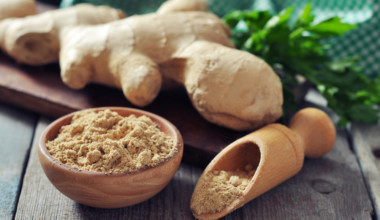
15. Turmeric as a cooking spice
Turmeric can add color and flavor to lentils, rice or a vegetable dish. There is no need to promise that a spoonful will cure depression or stress.
Make it easy: Add a little to a familiar soup or curry recipe. Concentrated curcumin supplements are different from seasoning food. NCCIH notes that health benefits remain uncertain and some enhanced-absorption products have been linked to liver injury. Do not start a supplement as a substitute for care.
Easy meals for demanding days
Instead of shopping for a long list of special ingredients, choose two or three combinations you can repeat. These are flexible meal ideas, not a treatment plan:
- A quick breakfast: Oats with milk or a suitable alternative, plus fruit. Use your usual portions and preparation method.
- A no-cook lunch: A wholegrain sandwich with canned salmon or hummus, spinach and another vegetable you enjoy.
- A cupboard-based dinner: Canned beans in tomato sauce with garlic, served with rice, bread or a potato.
- A low-effort bowl: Ready-cooked lentils, beetroot and a dressing, with bread alongside.
Keep water within reach and make your next meal easier before the busy period starts: put a can of beans by the bread, portion a suitable leftover, or write down a two-ingredient lunch. Ask someone to shop or cook with you if that would help. Convenience foods can be part of the solution.
Caffeine and supplement cautions
The FDA notes considerable variation in caffeine sensitivity. Anxiety, jitters and poor sleep can be signs that your intake is too high for you. Its general adult figure of 400 mg a day is not a target, nor a promise that a lower amount will feel comfortable. Count tea, coffee, energy drinks and other sources together. If you want to cut back, a gradual reduction may be easier.
Do not assume that more vitamins, herbal extracts or “cortisol support” products will help. A confirmed deficiency may need treatment, but feeling stressed does not diagnose one. Discuss persistent symptoms or a restrictive diet with a clinician or registered dietitian before buying supplements to solve them.
When to get more support
If worry is difficult to control, keeps interrupting sleep, or interferes with work, relationships or eating, contact a health professional. You do not need to perfect your diet first. NIMH describes psychotherapy and medication as established treatment options for generalized anxiety disorder, chosen with a clinician according to the person’s needs.
Difficulty eating enough, unintended weight change or persistent digestive symptoms also deserves attention. Food can be part of looking after yourself; it should not become another test you feel you are failing.
Sources
Sources checked on October 7, 2026. This article provides general information and practical food ideas; it is not a personalized treatment plan.
- NIMH: Caring for Your Mental Health
- NIMH: Generalized Anxiety Disorder
- NHS: Eating a Balanced Diet
- NIH Office of Dietary Supplements: Vitamin B12, Zinc, Folate, and Omega-3 Fatty Acids
- NCCIH: Chamomile, Green Tea, and Turmeric
- FDA: How Much Caffeine Is Too Much?
- Cambridge University Hospitals: Milk Allergy