Animal
How Elephants Communicate Over Long Distances
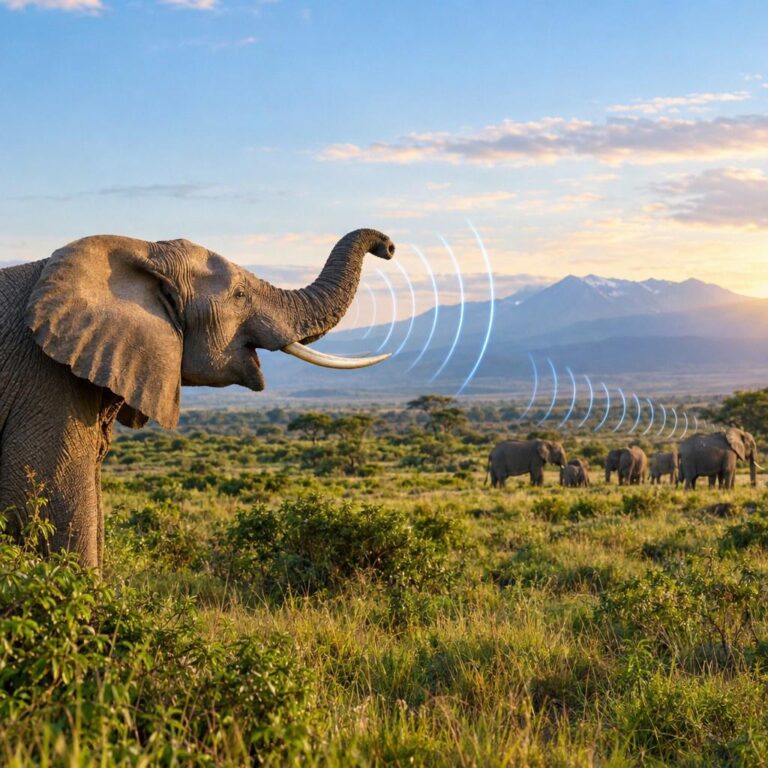
Discover 4 ways elephants communicate beyond sight: infrasonic rumbles, ground vibrations, scent and visual cues—plan safer wildlife observations responsibly
Read storyDiscover 4 ways elephants communicate beyond sight: infrasonic rumbles, ground vibrations, scent and visual cues—plan safer wildlife observations responsibly
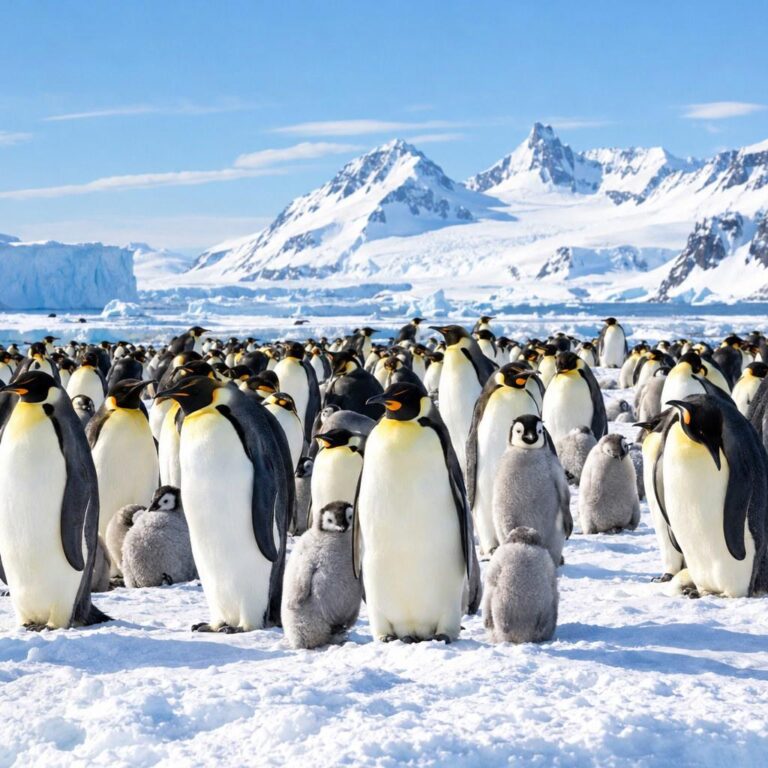
Read storyDiscover why penguins form colonies to breed, find mates and protect chicks, plus practical guidance for observing nesting sites for safer visits.
Read storyPrevent repeat fox visits with smarter waste control, shelter exclusion and site routines—protect bins, staff and grounds without harming wildlife today.
Read storyDiscover how otters’ two-layer fur traps insulating air for warmth and buoyancy—and why grooming is vital to their cold-water survival. Explore the science.
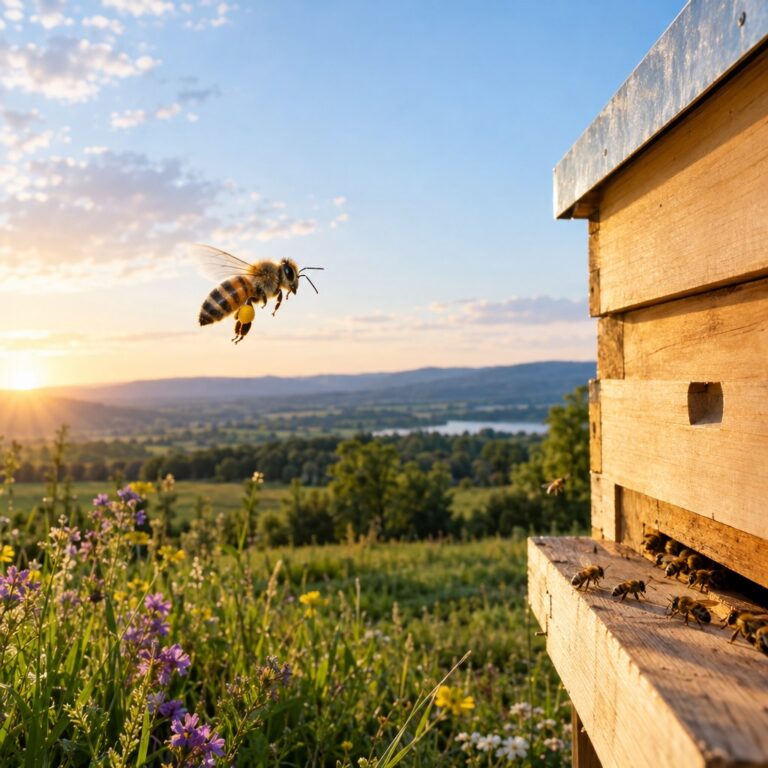
Read storyMove bee hives with fewer lost foragers: use sun cues, landmarks, scent, entrance markers and a relocation plan for safer moves
Read storyKnow what hedgehogs do at night, when daytime sightings signal trouble, and how to make gardens safer with less lighting, cover and simple hazard checks.
Read storyIdentify 5 bird nest types in the wild—from scrapes and cups to cavities—and see how materials and placement protect eggs, chicks, and breeding sites.
Read storyGive your rabbit room to hop, explore and rest safely. Plan activity, hideaway and feeding zones, avoid slippery floors, and spot wellbeing changes with ease.
Read storyRead dog body language beyond tail wags: spot stress, comfort and space-seeking signals, assess context, and prevent tense encounters before they escalate.
Read storyLearn why cats knead blankets—from kitten comfort and scent marking to stress clues—and when fabric chewing or tense behavior warrants attention for safe care
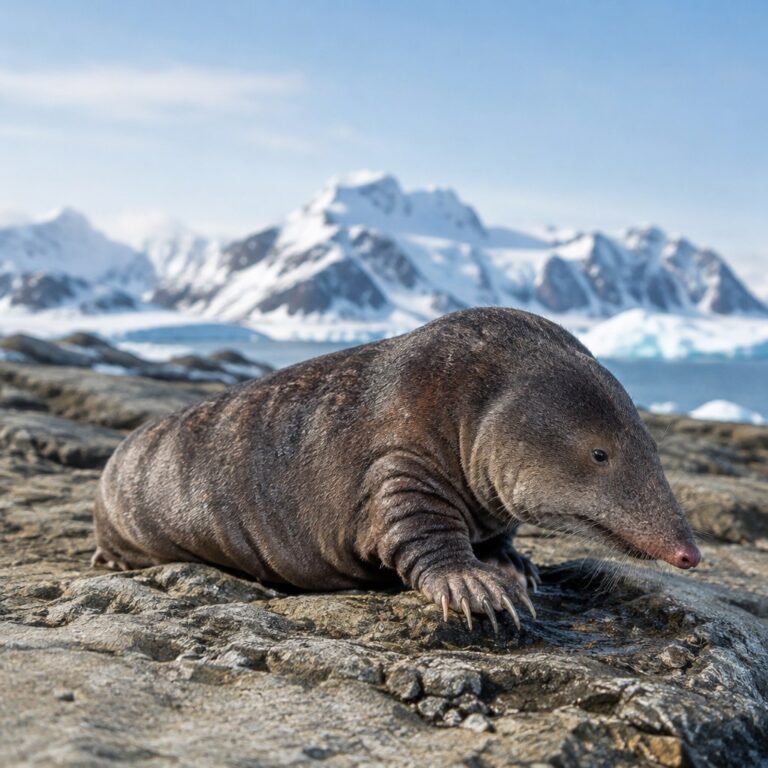
Read storyMeet six remarkable animals and learn how camouflage, burrowing limbs, crushing teeth, social colonies and touch-sensitive noses help them survive.
Read story