10 Things You Shouldn’t Put Down the Drain (and What to Do Instead)
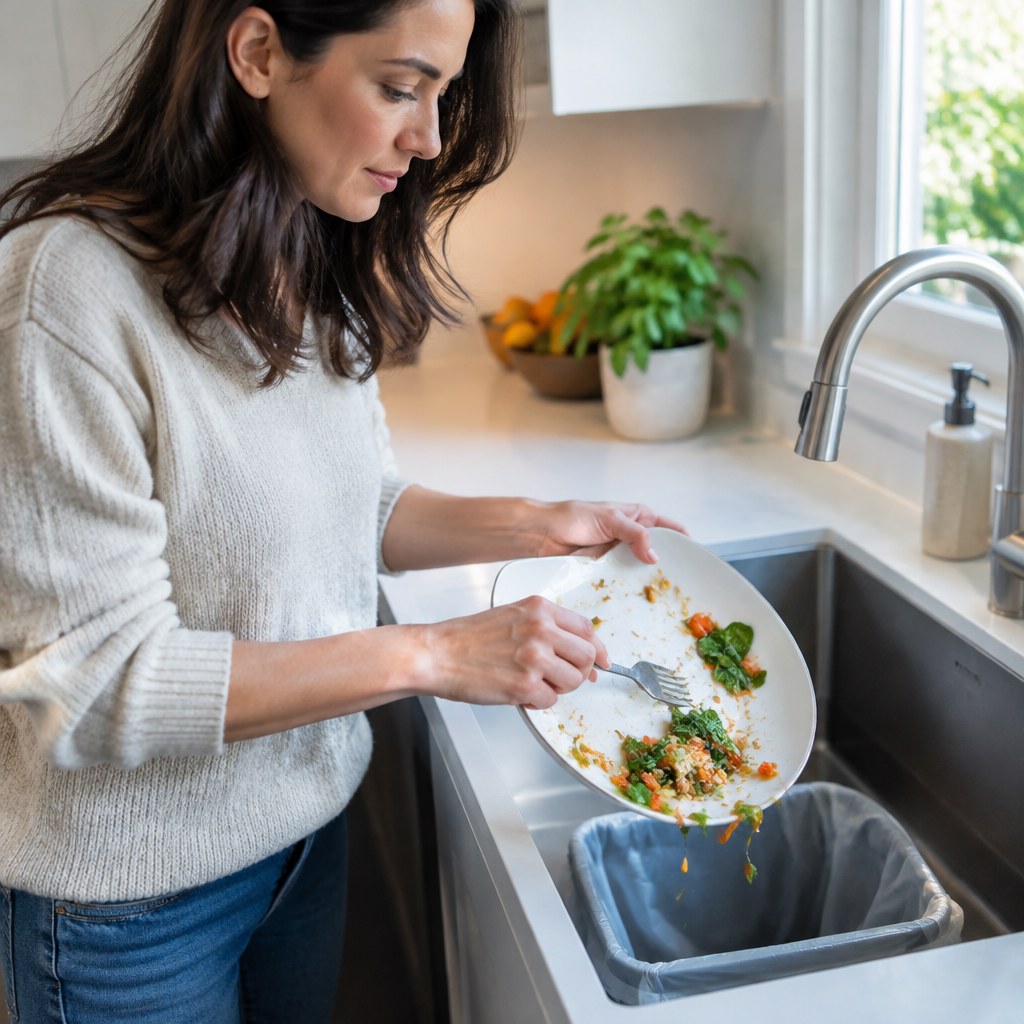
Keep fats, food scraps, medicines and rubbish out of drains. That simple habit helps protect household pipes, sewers and septic systems—but different wastes need different disposal routes.
Here are ten common things to keep out of the sink or toilet, with practical alternatives. Local collection rules vary, especially for medicines, cooking oil and compost, so use your waste authority’s instructions when choosing a bin or drop-off service.
1. Fats, grease and cooking oil
Frying oil, bacon fat, butter and greasy sauces belong outside the wastewater system. They can contribute to deposits that narrow pipes and trap other waste. A sink that drains normally today does not mean repeated oil disposal is harmless further along the sewer.
Let cooking fat cool safely, then collect it in a leakproof container. Use a local cooking-oil recycling service where available; otherwise follow your waste authority’s instructions for sealed household disposal. Wipe greasy pans before washing them. DC Water recommends cooling and containing grease, rather than washing it away. Hot water and dish soap are not a disposal method.
2. Hair
Loose hair can collect around a drain opening or stopper. Deal with it where you can reach it instead of pushing it farther down the pipe.
Use a removable hair catcher in the shower or bath and empty it into the rubbish regularly. Collect hair after a haircut or when cleaning a brush. This is a useful prevention habit, not a guarantee that a shower will never block: soap residue and other plumbing problems can still affect drainage.
3. Unwanted or expired medicines
Unwanted medicines need an appropriate disposal route. Whether a tablet dissolves in water does not determine whether it belongs in wastewater.
Use a pharmacy or other authorized medicine take-back service and check which products it accepts. The EPA recommends take-back programs. In the United States, a limited exception applies when no take-back option is available and the medicine’s label or patient instructions specifically direct flushing. Do not extend that exception to other medicines. Outside the US, follow your pharmacist’s and local authority’s advice.
4. Flour, dough and batter
A mixing bowl full of leftover batter is better scraped out before washing. Flour and dough can leave thick residue, especially when a large amount is washed away at once.
Scrape the bulk into an accepted food-waste collection or the rubbish, following local rules, then wash the small residue normally. Avoid tipping an unwanted bag of flour into the sink. West Jordan City’s drain guidance includes flour among the food wastes to keep out.
5. Pasta, rice and other starchy leftovers
Scrape leftover noodles, rice and potato pieces off plates before rinsing them. Sending a bowlful through a drain adds food solids to the plumbing; a garbage disposal does not remove that waste from the wastewater system. Whirlpool also cautions against large amounts of starchy food in its disposer guidance.
Use a colander to catch food when draining a pan and a sink strainer to catch pieces that escape. Put collected leftovers in the appropriate food-waste or rubbish bin. Ordinary cooking water from which solids have been removed is different from dumping the food itself; avoid pouring liquid containing a layer of oil or fat down the sink.
6. Seeds, fruit pits and kernels
Cherry stones, peach pits, popcorn kernels and other hard scraps do not belong in a drain. Collect them before washing up to keep hard solids out of the pipe and reduce the risk of jamming a disposal.
Prepare fruit over a board or bowl so pits and seeds are easy to collect. Check whether your composting service accepts them; hard pits may break down slowly in a home compost pile. If a hard object falls into a disposal, switch it off and follow its manufacturer’s safe retrieval instructions. Never reach into a running disposal.
7. Eggshells and coffee grounds
Small particles still count as solid waste. Eggshell fragments and spent coffee grounds are better collected than deliberately rinsed away. Fresno’s wastewater utility advises keeping both out of drains and toilets.
Empty your coffee filter or brewing basket into an accepted compost or food-waste collection. Put eggshells there too if your program allows them; otherwise use the rubbish. Scrape first, then rinse. Do not use ground shells as a drain-cleaning method.
8. Cigarette butts
Cigarette filters are litter, not flushable waste. The EPA notes that discarded butts contain plastic and may travel through storm drains into waterways. Avoid sinks, toilets and outdoor drains alike.
Use a suitable ashtray. Before putting smoking waste in the rubbish, make sure it is completely extinguished and cold. The National Park Service advises soaking butts and ashes in water before disposal. Never empty hot ash into a bin or rinse the cigarette solids down the sink.
9. Wipes, cat litter and hygiene products
Keep wipes, litter, cotton swabs, menstrual products and dental floss out of toilets. A product fitting through the bowl does not demonstrate that it will travel safely through the sewer. Follow your local wastewater utility’s guidance even when a packet says “flushable.”
DC Water explains that many wipes remain intact, can catch around pumps and can combine with grease. Keep a lined bathroom bin nearby and dispose of used litter according to local rules.
10. Paper towels and tissues
Paper towels, napkins and facial tissues are not substitutes for toilet paper in the sewer. The DC Water warning about these products covers both household pipes and sewer pumps.
Put them in the appropriate bin. Some food-soiled paper is accepted by municipal composting programs, but bathroom waste and chemically contaminated towels may not be. Check the collection rules rather than assuming all paper is recyclable or compostable. One accidental flush does not mean a blockage is certain; repeated flushing increases avoidable risk.
Paint and household chemicals need separate disposal
This list is not exhaustive. Do not use a sink, toilet or street drain to get rid of paint, solvents, pesticides, motor oil or unwanted concentrated cleaning products. Read the label and contact your local household hazardous-waste service. Keep products in their original labeled containers and do not combine leftovers.
EPA household hazardous-waste guidance explains that unsuitable disposal can harm people and contaminate wastewater systems. Normal use of a product according to its instructions is different from emptying an unwanted container into a drain.
A simple prevention routine
- Before washing dishes: scrape solids into the appropriate bin and collect excess grease separately.
- At the sink: use a strainer, then empty it rather than rinsing its contents away.
- In the bathroom: empty the hair catcher and keep a bin within easy reach.
- When sorting waste: keep a separate, secure place for medicines and hazardous products awaiting proper disposal.
If you use a septic tank, reducing what enters it also matters for the system beyond your house. The EPA recommends limiting garbage-disposal use because it adds solids, and keeping harmful chemicals out. Good drain habits supplement the tank’s inspection and pumping schedule; they do not replace it.
If a drain is already blocked
Stop adding waste or repeatedly running water into a backed-up fixture. If no chemical drain product has been used, an appropriate plunger or drain snake may help with a simple blockage when used according to its instructions. Do not force tools or dismantle plumbing you are not comfortable working on.
Never mix cleaning products or add another product to a drain that already contains cleaner. Poison Control warns that mixing cleaners can create dangerous fumes. If you have already used a chemical drain opener, follow its label, avoid actions that could splash it and tell a plumber exactly what was added before they start work.
Recurring blockages, leaks, sewage backing up or several fixtures draining badly call for professional assessment. Tell your landlord if you rent, and contact your wastewater utility if the problem may involve the public sewer. Keeping rubbish out helps prevent avoidable problems; it cannot fix every damaged pipe or sewer fault.