Hair Fall at Home: Gentle Care, Treatment Options, and Remedies to Avoid
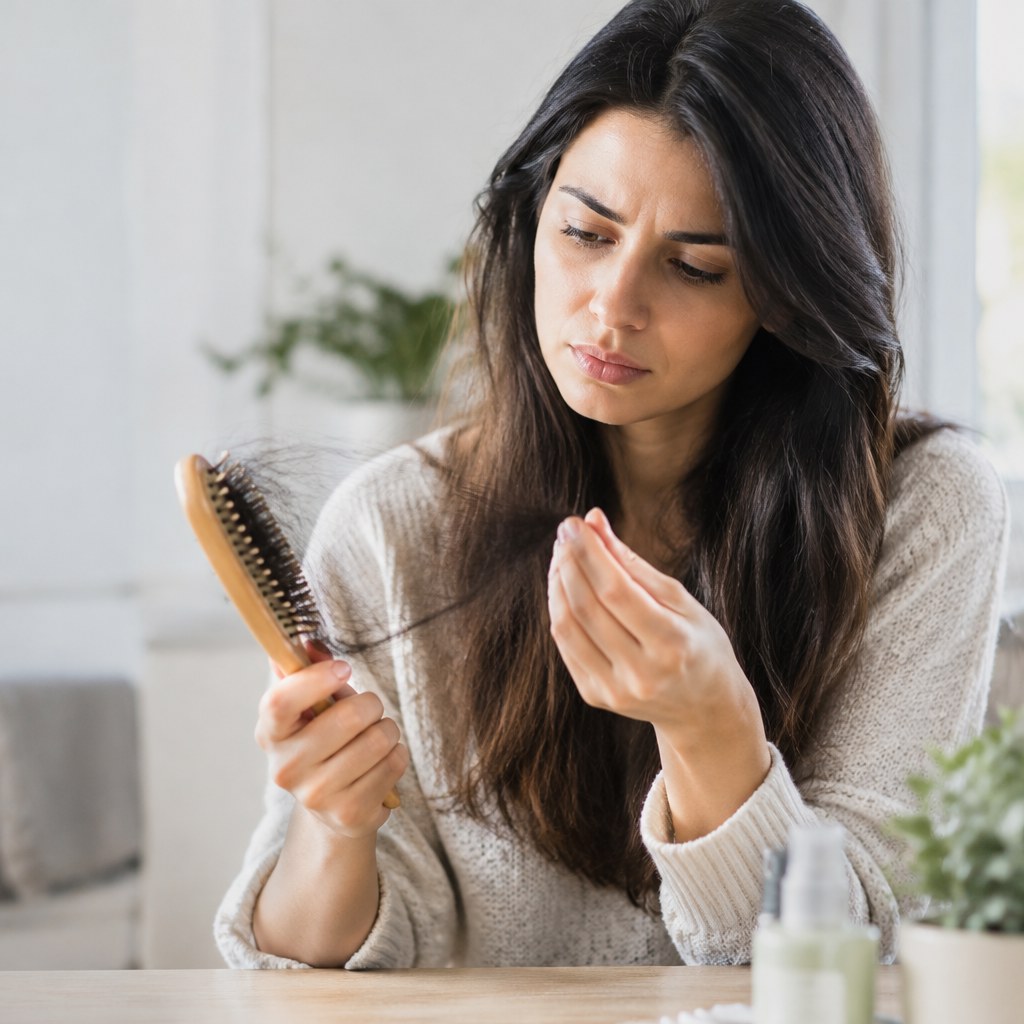
Finding more hair in the shower or noticing a widening part can be upsetting. Hair shedding, broken strands, and thinning from a hair-loss condition are different problems, and they do not all respond to the same treatment.
Gentle care can protect the hair you have. Regrowth depends on the cause, and no kitchen mask reliably stops every type of hair loss. Start by identifying the pattern rather than buying several products at once.
Is it shedding, breakage, or ongoing hair loss?
Some daily shedding is normal. Excess shedding can occur a few months after an illness, surgery, childbirth, major stress, or substantial weight loss. This delay can make the trigger hard to recognize. Temporary shedding often settles as the body recovers, but not every case follows a fixed timetable.
Hereditary hair loss may gradually change the hairline or part. Alopecia areata can cause patches when the immune system attacks hair follicles. Repeated pulling from tight styles can also cause loss. A clinician can distinguish these from breakage and other scalp problems. See the AAD’s explanation of hair loss and shedding.
Notice the pattern without counting every strand. A few photographs taken in similar lighting can be useful for an appointment. Record when changes began, any scalp symptoms, recent illness, and new medicines. Do not stop a prescribed medicine because you suspect it is responsible; discuss it with the prescriber.
Six useful steps you can take at home
1. Make washing and detangling gentler
Use a gentle shampoo and a conditioner suited to your hair. Detangle patiently without tugging, and avoid vigorous towel rubbing. A leave-in conditioner or detangler may make fragile hair easier to handle.
Conditioning can reduce breakage and improve feel, but it does not mean dormant follicles have restarted growth. Keep that difference in mind when comparing product claims.
2. Reduce heat and pulling
Limit flat irons, hot combs, and high-temperature drying. Use a low heat setting when needed. Loosen hairstyles that pull at the hairline, and avoid continuing a style that causes pain. Discuss chemical treatments with a stylist who can assess fragile hair and scalp condition.
These measures reflect the AAD’s hair-care recommendations. Choose the changes that address your current routine rather than assuming that natural texture or a particular hairstyle is inherently unhealthy.
3. Eat enough and investigate possible deficiencies
Restrictive dieting and inadequate protein or iron can contribute to hair problems. Aim for regular, balanced meals. If your diet is limited, you have heavy menstrual bleeding, or you have other symptoms, explain this at your appointment.
Not everyone with thinning hair needs iron, zinc, or vitamin supplements. Testing should follow the history and examination. More is not always better: excessive amounts of some nutrients can themselves contribute to hair loss.
4. Be cautious with “hair-growth” supplements
A supplement cannot replace a diagnosis. Bring the product label to your pharmacist or clinician, particularly if it contains multiple ingredients or high doses.
Biotin is often sold for hair and nails, but it can interfere with some laboratory tests. The FDA warns about interference with certain troponin tests, which are used in assessing heart injury. Tell healthcare professionals what you take, including before blood tests, and follow their instructions.
5. Stop irritating scalp experiments
Burning, itching, or redness is not evidence that a treatment is stimulating growth. Stop a new product if it irritates your scalp and seek advice if symptoms persist. Avoid applying several new mixtures together: it makes an adverse reaction harder to trace.
6. Give an agreed treatment plan time
Hair changes slowly. Ask what improvement is realistic, how long a treatment trial should last, and what side effects warrant contact. Review progress with consistent photographs if useful, rather than changing products every few days.
What does the evidence say about popular remedies?
Onion juice
A small 2002 study compared onion juice with tap water in people with patchy alopecia areata. The onion group included 23 participants. This is not evidence that onion juice treats every kind of shedding or hereditary thinning, and it does not establish a universal home recipe.
The sensible next step for a bald patch is an assessment, not assuming that a result from one small study applies to you.
Aloe vera, yogurt, eggs, coconut milk, and beetroot
These ingredients are frequently described as nourishing hair, but a food’s nutrient content does not show that applying it to the scalp will reverse hair loss. A mask changing shine or softness is a cosmetic effect, not proof of new growth.
You do not need daily food masks to care for thinning hair. Choose a simple product you tolerate and put the time saved toward identifying the cause.
Oils, amla, fenugreek, and henna
Hair-shaft conditioning, hair coloring, and follicle regrowth are separate outcomes. Claims that an oil or herb improves circulation are not enough to demonstrate clinically meaningful regrowth. Evidence from an animal study, a laboratory experiment, or a multi-ingredient product should not be described as proof for a homemade preparation.
Do not apply undiluted essential oils or use hot-oil treatments on fragile hair. If you want to try a cosmetic product, check its ingredients and stop if irritation develops. Henna may change hair color; it is not an established treatment for the underlying cause of thinning.
Raw garlic and vinegar
Do not apply crushed raw garlic to the scalp. Published clinical cases document chemical burns from topical garlic. Its use in cooking does not establish its safety as a skin treatment.
Vinegar rinses are not a demonstrated way to “unclog” follicles and stop hair loss. A sore, scaly, or inflamed scalp needs the right diagnosis rather than stronger acidic mixtures. Dilution alone does not prove a remedy will be effective or suitable.
Treatments that may be worth discussing
A dermatologist may recommend examination, selected blood tests, or occasionally a scalp biopsy, depending on the suspected cause. Some temporary shedding needs time and correction of its trigger; other conditions need targeted treatment. The AAD’s diagnosis and treatment guide describes this process.
Topical minoxidil can help some forms of pattern hair loss. Results generally take months, continued use is usually needed to maintain benefit, and scalp irritation can occur. Follow the product instructions and confirm suitability, especially if loss is sudden, patchy, or unexplained.
People who are pregnant or planning pregnancy should avoid minoxidil; discuss breastfeeding and all hair-loss medicines with a clinician. See the AAD’s information on pattern hair loss and minoxidil. Prescription treatments, procedures, and their risks depend on the diagnosis. Platelet-rich plasma is not automatically necessary after an illness.
When to arrange an assessment
Get advice for new bald patches, sudden or ongoing loss, a painful or inflamed scalp, or changes affecting your wellbeing. Mention eyebrow or other body-hair loss too. The NHS recommends understanding the cause before considering a commercial hair clinic.
Hair loss does not reduce your worth or attractiveness. If you prefer a different hairstyle, a wig, or other cosmetic support while deciding about treatment, that is a valid choice. A useful plan should fit your priorities, budget, and comfort, without promising a guaranteed return to a previous hairline.