15 Places to Visit in Germany: Cities, Castles and Coastlines
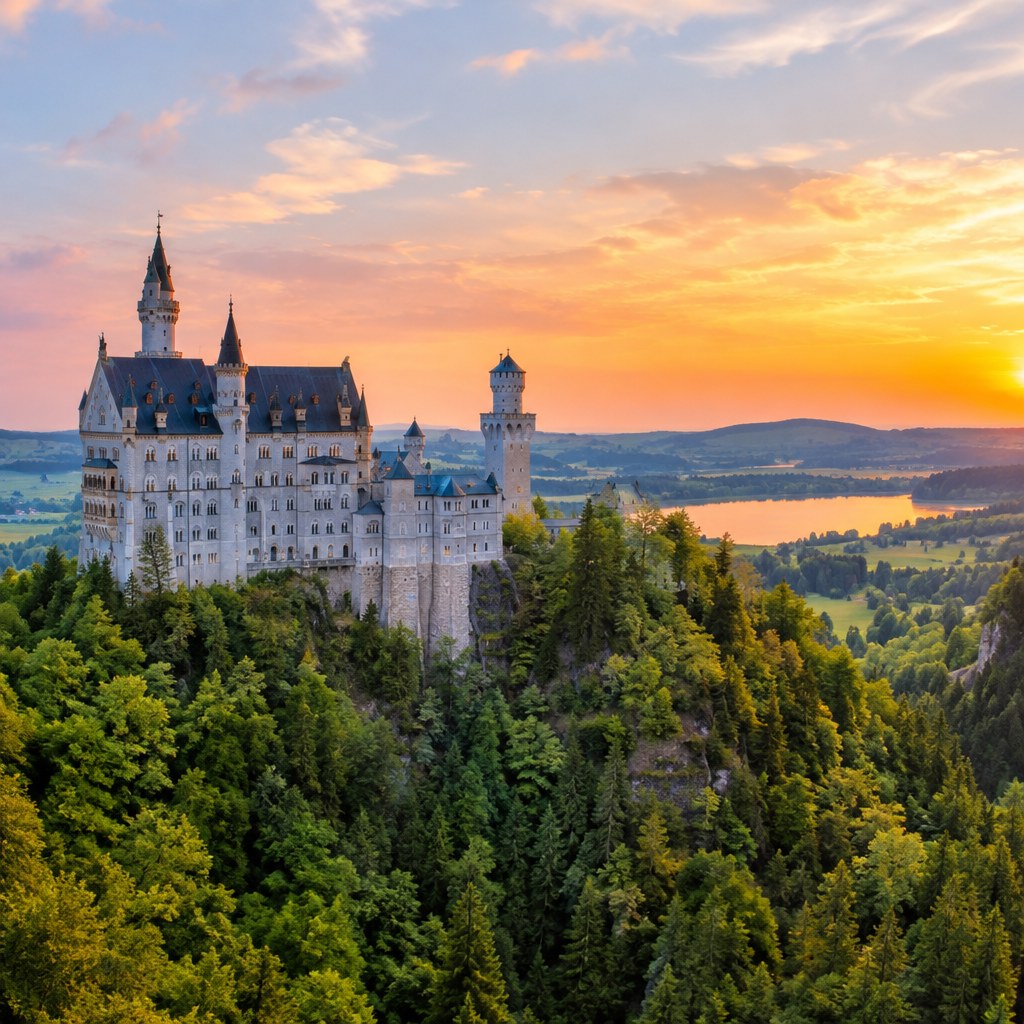
Germany offers much more than a single city break: you can explore parliamentary history in Berlin, follow a river past castles, visit Baltic beaches or spend a day among model railways in Hamburg. The challenge is choosing places that fit your interests and travel time.
These 15 destinations include the landmarks from our original guide, with corrected visitor information and practical planning tips. They are spread across the country, so treat the list as a set of options rather than a one-week itinerary.
Visitor information checked on 2 October 2026. Opening hours, access arrangements and tickets can change; use the official links before booking.
1. Reichstag, Berlin
The Reichstag is a working parliamentary building, but visitors can enter designated areas. Its rooftop terrace and glass dome offer views across central Berlin and a useful introduction to the German Bundestag.
Admission to the dome and roof terrace is free, with registration required. Submit the names of everyone in your party and follow the identification instructions in your booking confirmation. Do not assume you can walk straight in.
Check maintenance dates carefully: the Bundestag lists dome closures through 2 October and again from 19–30 October 2026, while the roof terrace can still be visited. Combine this stop with the nearby Brandenburg Gate, allowing time for security checks rather than scheduling another timed booking immediately afterward.
2. Cologne Cathedral, Cologne
Cologne Cathedral is a major Gothic landmark, with an imposing interior, stained glass and a treasury. You can appreciate the exterior separately from an interior visit or tower climb; each offers a different experience.
A significant change for travelers: tourist visits to the interior require a ticket from 1 July 2026, subject to the cathedral’s exemptions. Worship and designated prayer access remain free. Check which areas your chosen ticket covers and avoid confusing sightseeing hours with service times.
If stairs are a concern, look up tower accessibility before buying a ticket. The cathedral interior and a demanding tower ascent should be planned as separate activities.
3. Upper Middle Rhine Valley
For the Rhine’s famous combination of castles, vineyards and riverside towns, focus on the UNESCO-listed Upper Middle Rhine Valley between Bingen, Rüdesheim and Koblenz. This is a 65-kilometer stretch of the river, not a valley located within Cologne.
Choose a small number of stops rather than trying to visit every castle. A riverside town, one castle and a scenic journey can make a satisfying day. Before choosing accommodation, compare rail connections, the riverbank you need and any boat or ferry schedules.
Boat services and castle access vary by season. A cruise can be one part of a trip, but leave a land-based alternative if the operating timetable does not fit your dates.
4. Miniatur Wunderland, Hamburg
Miniatur Wunderland is an indoor attraction built around detailed miniature landscapes and model railways. It rewards slow looking: instead of rushing between displays, pause to notice the tiny scenes and moving details.
The attraction’s official ticket guidance explains advance bookings and availability. Reserve an entry time when possible, especially if this is the main reason for your Hamburg visit. Walk-up visits can involve a wait.
Check the date-specific opening hours and current euro prices rather than relying on an old dollar estimate. Leave a generous gap before your next activity, particularly if you are visiting with children or someone who prefers a slower pace.
5. St. Michael’s Church, Hamburg
Known as the Michel, St. Michael’s is a Hamburg landmark with a church interior, tower viewpoint and crypt. It suits visitors who want architecture and a broader view of the city rather than another museum.
The church’s official visitor page distinguishes free church entry from paid tower and crypt admission. Check the arrangements for the part you actually want to visit: one statement about “free entry” does not cover the whole complex.
Worship and events can affect sightseeing access. For a tower visit, consider visibility as well as the weather, and review the access information if stairs or enclosed spaces are difficult for you.
6. Marienplatz, Munich
Marienplatz is a practical starting point for exploring Munich’s old town. The New Town Hall, Old Town Hall and nearby streets give you several options without repeatedly crossing the city.
The New Town Hall’s Glockenspiel is a popular reason to stop. The city’s visitor information lists performances at 11 a.m. and noon, with an additional 5 p.m. performance from March through October. Check for updates on your travel date and arrive early enough to find a view.
Continue on foot toward the Frauenkirche or Viktualienmarkt. If you dislike crowds, enjoy the square outside performance times and keep your meal plans flexible.
7. Rügen Island
Rügen is Germany’s largest island, in the Baltic Sea. It offers seaside resorts, beaches and the chalk-cliff landscapes associated with Jasmund National Park. Cape Arkona is another destination to consider when choosing your island route.
Decide whether your priority is a beach stay, walking or sightseeing before choosing a base. An island holiday still involves travel between attractions; do not assume every place is close to your accommodation.
For cliff and woodland walks, use marked routes and follow local closures and warnings. A coastal viewpoint is not an invitation to approach an unprotected edge. Allow room in the itinerary for wind or rain.
8. Frauenkirche, Munich
Munich’s Frauenkirche, the Cathedral of Our Lady, is recognized by its twin towers. It is a different church from the Frauenkirche in Dresden, so check the city when searching for tickets or visitor information.
The Munich visitor guide describes the church and south-tower viewpoint. Plan an interior visit around worship, and check the separate tower arrangements if you want the panorama.
This is an easy companion to Marienplatz. You do not need to book several viewpoints in one afternoon: choose the one that best fits the visibility, cost and access needs of your group.
9. Lübeck
Lübeck’s Hanseatic history and UNESCO-listed old town make it a rewarding choice for architecture and urban history. Look for the merchant houses, churches, narrow streets and town hall rather than treating it only as a quick photograph stop.
Start with a walk around the old town and add an indoor attraction that matches your interests. This gives the buildings context without turning the day into a race between landmarks.
Historic paving and uneven surfaces can affect comfort and accessibility. Wear suitable footwear and check step-free routes if needed. Lübeck works particularly well as part of a northern Germany trip.
10. Heidelberg
Heidelberg sits on the Neckar River, with its castle and Old Bridge forming a distinctive cityscape. The old town offers a different perspective from the views above it.
Choose a route that includes time beside the river, a walk through the old town and, if it interests you, a castle visit. Check the castle’s current entry and transport arrangements before committing to a particular uphill route.
Keep your own mobility and energy in mind: an attractive viewpoint can involve a climb. A shorter riverside visit is still worthwhile if steep walking is not part of your ideal day.
11. The Harz Mountains
The Harz is a low mountain region, not Germany’s highest mountain range. The national tourism board’s Harz guide highlights its upland landscape and the 1,141-meter Brocken.
Choose this area for walks, forest landscapes and nearby historic towns. Select a trail by distance, elevation gain and current conditions rather than assuming every mountain route is suitable for beginners.
Check local forecasts and trail notices before leaving. Bring appropriate layers and plan a turnaround time. For a mixed-interest group, a town-based stay with optional walks may work better than an itinerary built entirely around long hikes.
12. Aachen Cathedral
Aachen Cathedral combines a surviving Carolingian core with later additions and has strong associations with Charlemagne. It was Germany’s first UNESCO World Heritage Site and is a particularly rewarding stop if architectural history interests you.
The cathedral’s official website distinguishes ordinary tourist access, treasury visits and guided tours. The royal throne and Gothic choir hall are accessible only on a guided tour, so a general visit does not include every area.
Read the special-hours notices before arrival. A guide can help explain the building’s layers of history, but leave time to look around without trying to fit a separate attraction into every available minute.
13. Sylt
Sylt is a North Sea island with beaches, dunes and a different atmosphere from Germany’s Baltic destinations. The official tourism overview describes its western sandy coast and eastern Wadden Sea landscape.
Cycling can be an enjoyable way to explore, but choose a route that suits your fitness and the wind conditions. The fact that a destination is an island does not make every ride short or effortless.
Stay on designated paths through dunes and protected areas. Compare transport and accommodation before committing to dates, and decide whether you want a quiet coastal stay or a base with more services nearby.
14. Schwerin Castle
Schwerin Castle stands on an island in Lake Schwerin. Its present appearance owes much to nineteenth-century reconstruction, rather than a single fourteenth-century building campaign. The wider residence ensemble became a UNESCO World Heritage Site in 2024.
The castle and gardens guide introduces its historic interiors and lakeside setting. Decide how much of your visit to spend inside and how much to reserve for the grounds and surrounding views.
Check current museum access and tour arrangements. Photographing the exterior, exploring gardens and visiting interior rooms are different experiences; confirm what your chosen ticket actually includes.
15. Brandenburg Gate, Berlin
The Brandenburg Gate is one of Berlin’s best-known landmarks, associated with the city’s division and reunification. Its location makes it a natural companion to a Reichstag visit.
Allow time to understand the history rather than stopping only for a photograph. You can then continue through the surrounding central area according to your interests and available time.
Public events can change pedestrian access or make the area crowded. An early visit may suit photography, while a later stop can fit around a booked Reichstag slot. Check local event information if the gate is central to your plans.
How to turn this list into a realistic trip
- For a short city break: choose Berlin, Hamburg or Munich and use the paired attractions above as a starting point.
- For northern Germany: consider Hamburg, Lübeck and Schwerin, then add an island only if you have enough time for the extra journey.
- For castles and old towns: compare a Rhine Valley route with a Heidelberg stay instead of assuming both fit into a single day.
- For outdoor time: choose between the Harz and the coast according to your preferred activities, season and transport.
Before booking, put travel times, check-in times and any fixed entry slots on one calendar. Leave space for meals and unplanned stops. Germany’s destinations are easier to enjoy when the itinerary gives each one time.