How to Plan a First Visit to Copenhagen
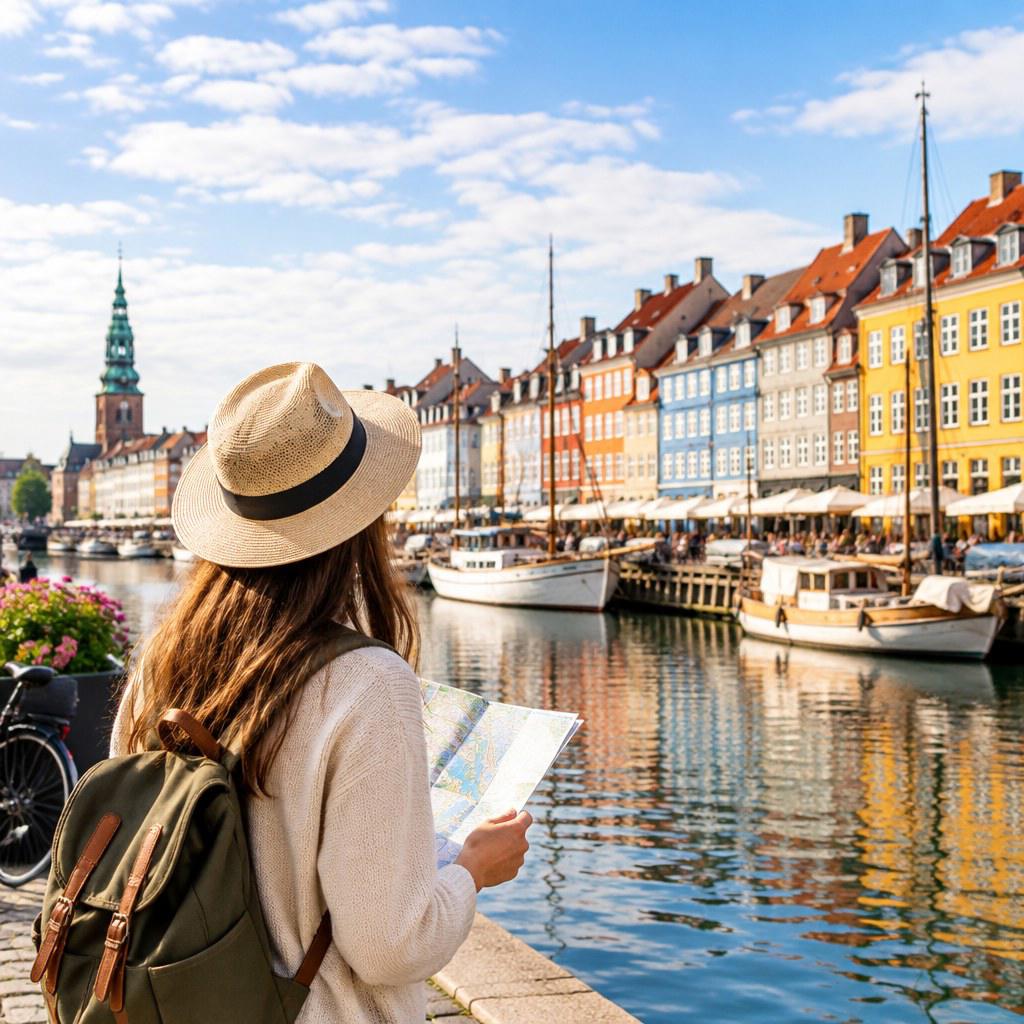
Copenhagen is easiest to enjoy when you plan around neighbourhoods, daylight, and your preferred pace rather than trying to collect every landmark. For a first visit, choose a well-connected place to stay, group sights into walkable areas, reserve only the activities that need a time slot, and leave room for cafés, harbour views, and changing weather.
The city rewards practical preparation: transport and opening hours can vary, popular restaurants often need advance booking, and a compact itinerary can quickly become tiring if it crosses the city repeatedly. This plan helps you make confident choices before you arrive while keeping the visit flexible once you are there.
Define what a successful visit looks like
Start by deciding what Copenhagen needs to do for you. A short city break, a work trip with free evenings, a food-focused weekend, and a family visit all require different choices. Trying to satisfy every possible interest is the main reason first itineraries become crowded and expensive.
Pick 2 priorities and 1 secondary interest. For example, you might make design and food your priorities, with historic sights as a secondary interest. Or, if you are travelling for business, you might prioritise reliable transport to meetings and reserve one waterfront walk plus one dinner reservation for each free evening.
Choose your travel pace
Give each day one anchor activity: a museum, a canal tour, a neighbourhood exploration, a meeting, or a major attraction. Add 1 or 2 nearby stops rather than scheduling activities across opposite sides of the city. This creates time for queues, rain showers, coffee breaks, and the ordinary discoveries that make a place memorable.
A useful first-visit split is to give central Copenhagen one day, spend another day in a different district or along the water, and keep a final half-day open for anything you missed. If your trip is shorter, reduce the list instead of compressing it.
💡 Tip: Put your non-negotiable activity early in the trip. If weather, travel delays, or low energy disrupt the day, you still have later opportunities to explore at a slower pace.
Choose dates and set a realistic budget
Your dates shape the whole experience. Daylight, weather, school holidays, seasonal events, and business travel can all affect availability and atmosphere. Copenhagen can be rewarding in every season, but the practical trade-off changes: longer days support outdoor plans, while colder or wetter periods make indoor stops and a centrally located hotel more valuable.
Before booking, check the opening days and reservation policies for your highest-priority attractions, restaurants, and events. Do not assume that a venue is open every day or that walk-ins will be available. Also check your airline or rail operator’s baggage, check-in, and change rules directly before purchase.
Budget by category, not by a single daily figure
Costs vary substantially by season, location, accommodation standard, and dining style. Instead of relying on a generic daily estimate, build a short budget with categories you can adjust. Include accommodation, arrival and departure transport, local transport, meals, booked activities, and a contingency amount for convenience purchases or changes.
Compare the total trip cost, not only the room rate or flight fare. A lower-cost hotel farther from the centre can create more travel time and additional transport spending. Conversely, a central room may be worthwhile if your stay is brief and you expect to return between activities.
Choose where to stay and how to move around
For a first trip, select accommodation based on connections and walkability rather than a vague idea of “the best area.” Central districts suit visitors who want to walk to major sights, restaurants, and evening plans. A location near a metro or rail station can work just as well if it gives you a simple route from the airport and to your main destinations.
Questions to ask before reserving accommodation
- Can you reach your arrival point without several changes of transport?
- Are your planned morning activities within an easy walk or direct public-transport trip?
- Does the property have the check-in, luggage storage, accessibility, and workspace arrangements you need?
- Are cancellation conditions acceptable if your business plans or flight schedule changes?
- Will noise, stairs, or a small room affect your ability to rest after a full day?
Copenhagen is known for cycling, and a bike can be an enjoyable option if you are comfortable riding in a busy urban environment and understand local cycling etiquette. It is not mandatory. Walking and public transport are often simpler for a first visit, especially with luggage, young children, limited time, or uncertain weather.
Check current ticket options and validation rules through the relevant transport provider before travelling. Keep a backup payment method available, and download any maps or transport tools you expect to use while connected to reliable Wi-Fi.
Build your itinerary by neighbourhood
Map each activity before you commit to it. Copenhagen’s centre is walkable, but a schedule can still become inefficient when you move back and forth between districts. Group places that are close together, then choose one logical route for the day.
A practical 3-day structure
Day 1: arrive and orient yourself. Keep this day light. Walk near your accommodation, identify a grocery shop or pharmacy if needed, and have one flexible meal plan. If you arrive early, choose an outdoor area or a low-pressure museum rather than an attraction that would be disappointing to rush.
Day 2: central highlights and one reservation. Put your most important museum, historic site, or canal experience first. Spend the rest of the day exploring nearby streets, shops, parks, or waterfront areas. Book dinner only if a particular restaurant matters to you; otherwise, retain flexibility.
Day 3: choose a contrasting area. If day 2 was focused on historic central streets, use day 3 for modern architecture, a residential neighbourhood, green space, or a harbour-side route. This gives you a broader feel for the city than repeating the same central circuit.
For business travel, use the same principle in smaller blocks. Plan one dependable breakfast near your hotel, identify the transport route to your meeting, and choose evening options that do not require a cross-city journey. A good work-trip itinerary protects your energy rather than filling every unscheduled hour.
Prepare before you leave
Complete the time-sensitive tasks first, then prepare for ordinary friction. Confirm passport, visa, and entry requirements that apply to your nationality with official authorities. Check your travel insurance terms, mobile-data arrangements, payment-card settings, and any accommodation check-in instructions. Requirements can change, so verify them close to departure.
First-visit checklist
- Save booking confirmations, addresses, and transport details offline.
- Reserve only the attractions and meals that would materially affect your trip if unavailable.
- Check the forecast shortly before departure and pack layers, comfortable walking shoes, and rain protection.
- Tell your bank or card provider about travel if its policies require advance notice.
- Bring a charging cable and an appropriate plug adapter for your devices.
- Leave a buffer between arrival and any fixed reservation, especially on the first day.
- Share your itinerary and accommodation details with a trusted contact when appropriate.
Make one simple digital note containing your hotel address, arrival instructions, booking references, emergency contact details, and a short ranked list of plans. That note is more useful on the move than a dense spreadsheet.
Avoid common first-visit mistakes
The most common mistake is overbooking. A detailed schedule can look efficient at home but leave no capacity for travel delays, changing weather, queues, or a meal that takes longer than expected. Limit fixed appointments to the experiences that genuinely need them.
Another mistake is treating a cycling city as a reason to improvise on a bike. If you decide to cycle, use designated lanes carefully, observe signals, avoid blocking routes, and do not stop abruptly where others need to pass. If you are unsure, walk or use public transport instead.
Do not assume that every business accepts your preferred payment method, every restaurant accepts walk-ins, or every attraction has the same hours year-round. Check the individual business or venue shortly before your visit. Keep a nearby alternative for dinner and an indoor backup for a wet day.
📋 Recovery plan: If a booking falls through, do not rebuild the entire day. Keep the same neighbourhood, choose a nearby café, park, shop, gallery, or casual meal, and move your next planned stop forward.
Use a simple decision framework
A well-planned first visit to Copenhagen has 4 parts: a clear purpose, a connected base, a neighbourhood-led itinerary, and enough unplanned time to adapt. When considering any booking, ask whether it improves one of those parts. If it adds travel, cost, or stress without supporting your priorities, leave it out.
Book transport and accommodation first. Then secure your few must-do reservations. Finally, create flexible lists for each area you expect to visit. This order prevents an attractive attraction or restaurant from dictating an inconvenient and fragmented trip.
Plan the essentials, then leave room to explore
Choose your priorities today, check current travel and booking details before purchase, and build each day around one meaningful anchor rather than an exhausting checklist.