How Dogs Use Body Language to Communicate
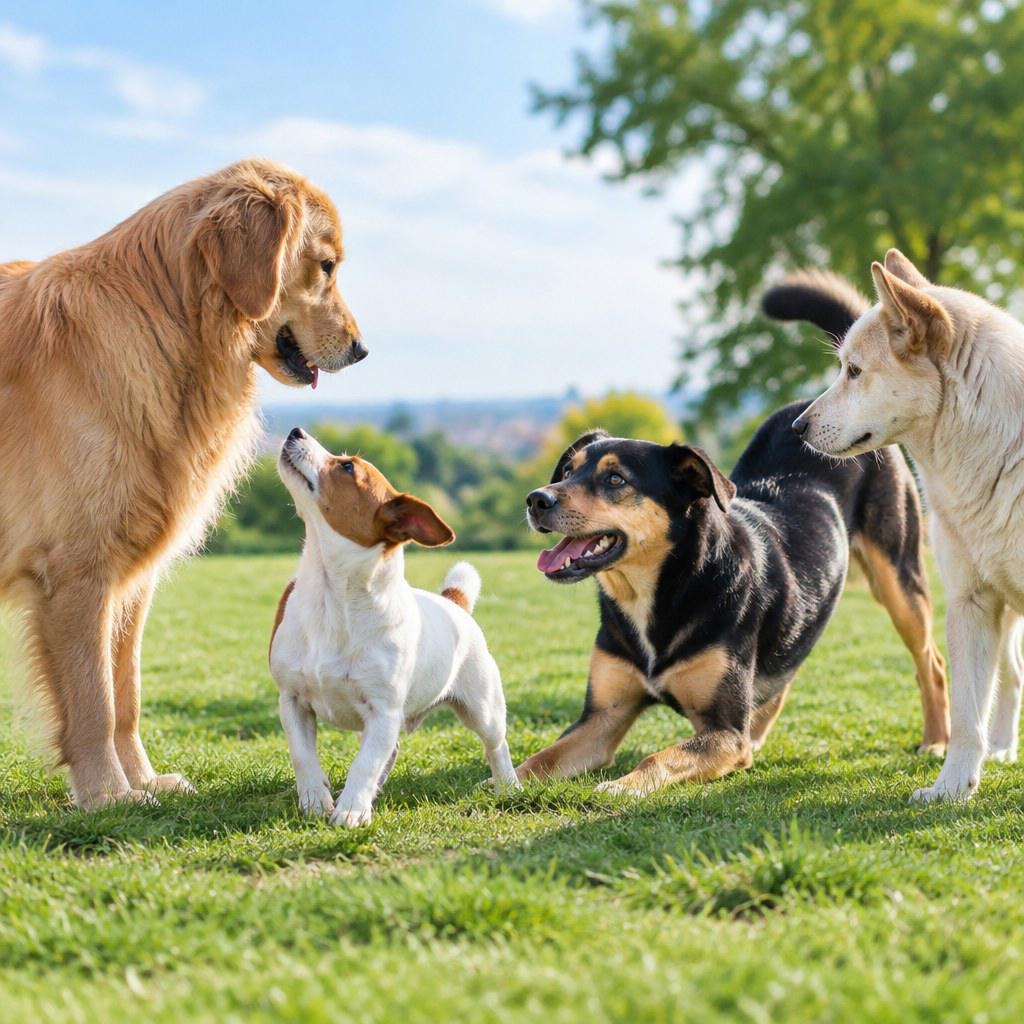
Dogs communicate continuously through posture, movement, facial expression, ear position, tail carriage, and the distance they choose from people or other animals. When you learn to read these signals as a whole rather than relying on one “sign,” you can respond earlier, reduce avoidable stress, and create safer interactions at home, in public, or in a dog-friendly workplace.
A wagging tail does not automatically mean a dog is friendly, and a still dog is not always calm. Context matters: the environment, the dog’s history, what happened immediately before the behavior, and whether the body looks loose or tense all change the meaning.
Why dog body language matters
Dogs use vocal sounds, scent, and touch, but body language is often the clearest immediate clue to how they are coping. A dog may communicate enthusiasm before a walk, uncertainty around a stranger, discomfort during handling, or a need for more space without making a sound.
For owners and practitioners, this is a practical risk-management skill. Reading early signs gives you an opportunity to change the situation before a dog feels cornered, overwhelmed, or forced to escalate. In a business setting, such as a pet-friendly shop, grooming area, office, accommodation venue, or service business that visits homes, this awareness also helps you set appropriate boundaries for staff and visitors.
The goal is not to label a dog as “good,” “bad,” “aggressive,” or “friendly” from one observation. Instead, identify what the dog appears to be communicating at that moment: “I am comfortable,” “I am unsure,” “Please slow down,” “I want distance,” or “I am ready to engage.”
How to read the whole dog, not one body part
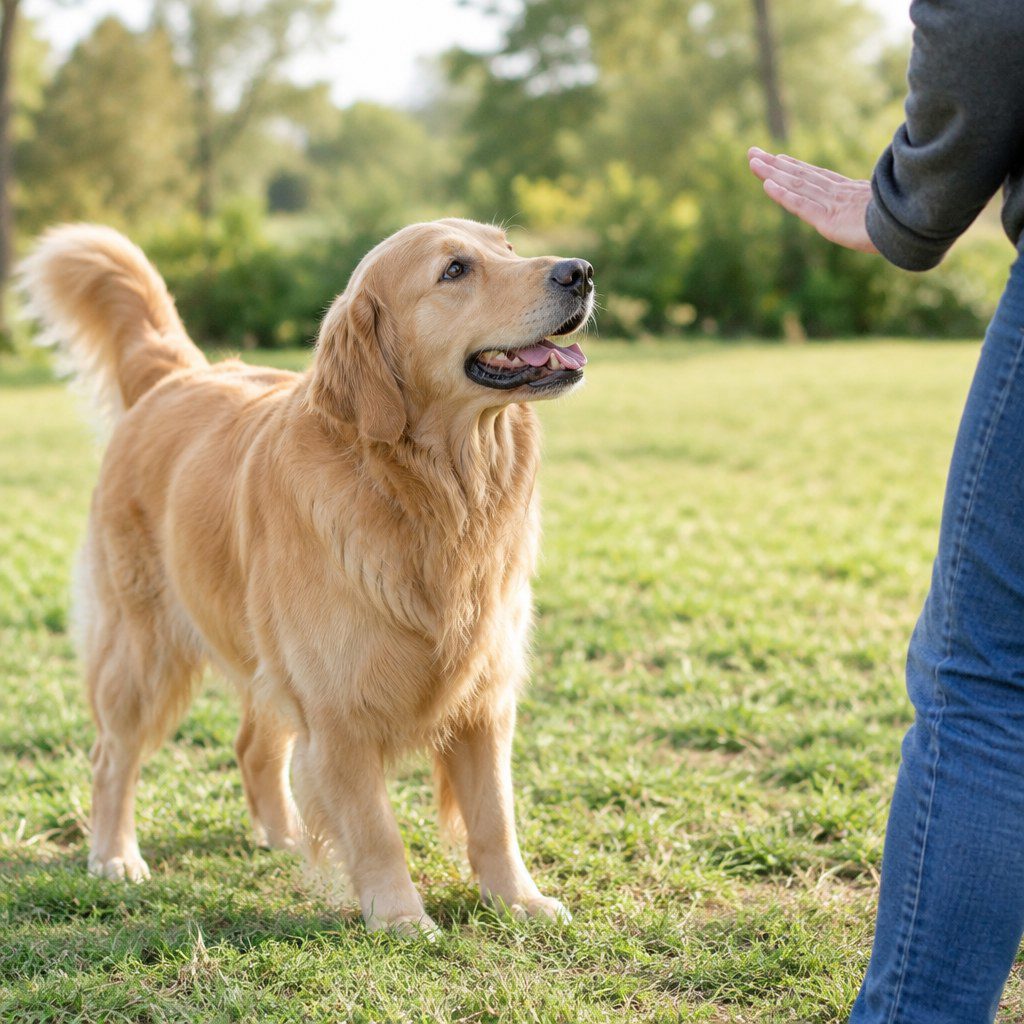
The most reliable interpretation comes from combining several signals. Start with the dog’s overall muscle tone and movement. A relaxed dog usually moves with soft curves, a natural pace, and loose muscles. A worried or highly aroused dog may become stiff, move cautiously, lean away, freeze, or shift weight forward.
Start with posture and weight distribution
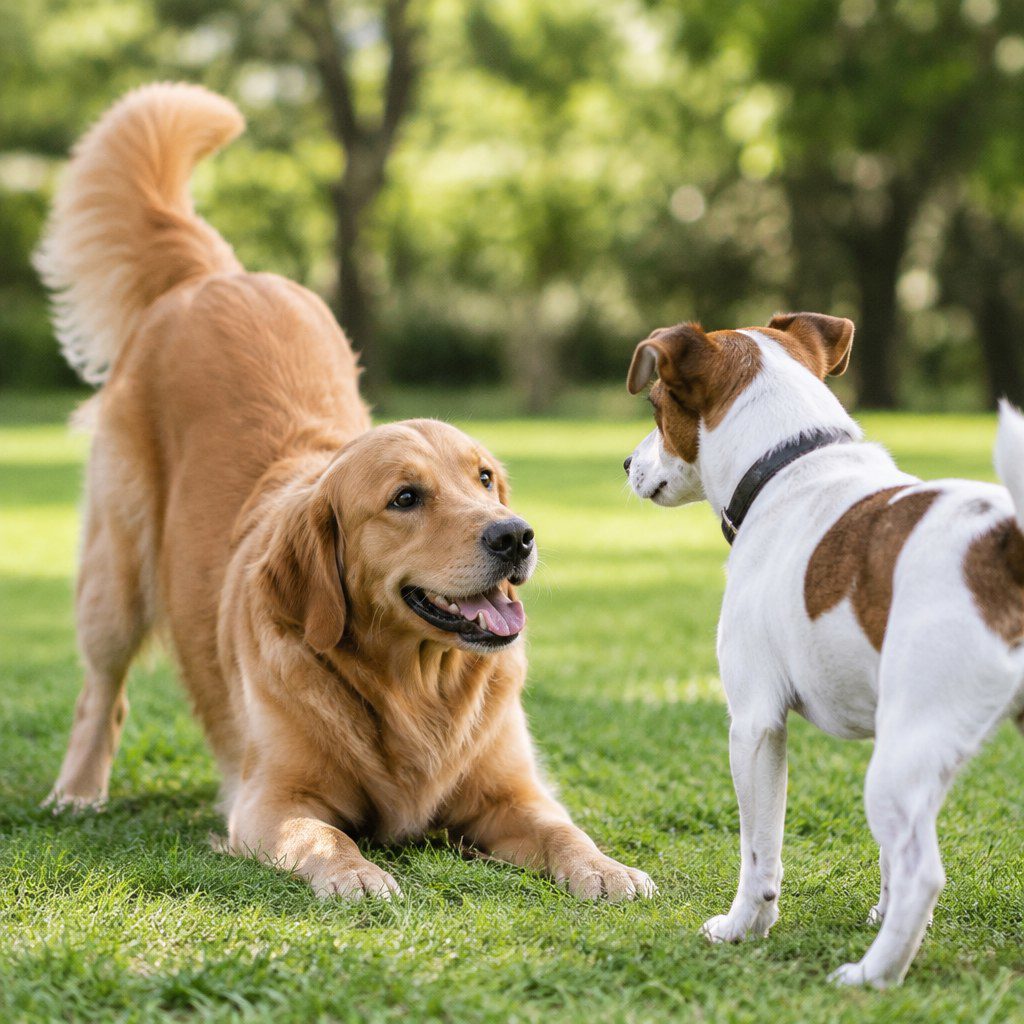
Posture tells you whether the dog is approaching, retreating, pausing, or preparing to act. A dog that stands tall and leans forward may be intensely interested, excited, defensive, or conflicted; you need the other signals to understand which. A dog that lowers its body, turns sideways, or shifts weight backward is often trying to reduce pressure or create distance.
Then check the face
Observe the eyes, mouth, forehead, and ears together. Soft eyes and a gently open mouth can occur when a dog is settled. Wide eyes, visible whites of the eyes, a tightly closed mouth, furrowed forehead, or ears held sharply forward or flattened back can indicate tension. Breed traits matter: ear shape, facial skin, and coat can make some signals more or less visible.
Use the tail as supporting evidence
Tail height, speed, stiffness, and position are more useful than wagging alone. A broad, loose wag that moves the rear of the body often appears in relaxed social moments. A high, stiff tail or a low, tucked tail can suggest elevated arousal or discomfort, but neither signal is a diagnosis. Some dogs naturally carry their tails high, low, curled, or short, so compare behavior with that individual dog’s usual posture.
💡 Tip: Treat a sudden change from a dog’s normal behavior as useful information. If a normally social dog turns away, freezes during petting, or avoids contact, pause the interaction instead of assuming the dog will “get used to it.”
Common signals and their likely meanings
The table below is a starting point, not a translation dictionary. Dogs can show the same signal for different reasons, and several signals may appear at once. Use the “best response” column to choose a low-risk next step.
Growling deserves particular care. It is a communication signal, often telling you that the dog is uncomfortable or needs more distance. Punishing the growl can suppress a warning without resolving the cause. Instead, stop the pressure, assess what triggered the response, and seek qualified help if the behavior is repeated, severe, or difficult to manage safely.
A practical process for reading and responding
Use a repeatable process whenever you meet an unfamiliar dog, welcome dogs into a shared space, or notice a change in your own dog’s behavior. The process is deliberately simple so you can apply it before an interaction becomes difficult.
- Pause before contact. Do not reach toward the dog immediately. Give the dog a chance to see, smell, and choose whether to approach.
- Scan from nose to tail. Notice the face, ears, mouth, body angle, muscle tension, tail position, and speed of movement.
- Check the environment. Consider nearby food, toys, resting spots, narrow passages, children, other dogs, unfamiliar equipment, or handling demands.
- Look for clusters and changes. One lip lick may be insignificant; lip licking plus retreating, tucked posture, and a closed mouth deserves attention.
- Choose the least intrusive response. Step back, turn your body sideways, lower your voice, remove a trigger, or let the dog leave. Avoid forcing eye contact or physical contact.
- Review the outcome. If the body becomes looser and the dog re-engages voluntarily, your adjustment may have helped. If tension continues, end the interaction and reassess.
Set procedures for shared spaces
If your workplace or service regularly includes dogs, make expectations visible and consistent. Decide where dogs may rest, how staff should greet them, who is responsible for supervision, and how you will separate dogs from busy entrances, food, or confined waiting areas. Ask visitors to keep dogs on an appropriate lead where required and to avoid insisting that a reluctant dog greet others.
Staff do not need to become trainers to use these procedures. They do need permission to pause an interaction, ask for more space, or call the dog’s handler when a dog looks uncomfortable. Clear procedures protect the dog, staff, visitors, and the business.
Risks and mistakes to avoid
Do not rely on popular shortcuts
“Tail wagging means happy” and “a dog that comes close wants petting” are unreliable shortcuts. A dog may approach to gather information while remaining unsure, and a wag can occur with excitement, tension, or conflict. Let voluntary approach, loose movement, and continued consent guide you more than any isolated signal.
Do not test a dog’s tolerance
Avoid hugging, leaning over, cornering, taking an item away, or repeatedly touching a dog to see how it reacts. These actions can remove the dog’s ability to choose distance. If handling is necessary for care or safety, slow down, use appropriate management, and get professional guidance when the dog shows distress.
Do not overlook pain or sudden behavior change
Body language can change because a dog is uncomfortable, unwell, tired, or in pain. If your dog becomes unusually withdrawn, irritable, reluctant to move, or sensitive to touch, arrange a veterinary assessment. If a dog has snapped, bitten, or repeatedly displayed intense fear, prioritize safety and consult a qualified behavior professional working alongside veterinary care where appropriate.
⚠️ Safety note: If a dog freezes, growls, shows teeth, lunges, or tries to escape, do not punish or physically restrain the dog unless immediate safety requires it. Increase distance, reduce stimulation, and prevent further close contact while you seek suitable support.
A simple decision framework
When interpreting dog body language, make decisions based on comfort, context, and choice. If the dog looks loose and voluntarily stays engaged, you can continue calmly. If the signals are mixed or uncertain, slow down and give the dog more room. If the dog looks stiff, trapped, fearful, or defensive, stop the interaction and create distance.
This approach does not require you to predict every behavior perfectly. It asks you to notice communication early, avoid adding pressure, and choose actions that give the dog a safe option to disengage. Over time, observing your own dog in relaxed everyday situations will help you recognize that dog’s normal baseline and spot meaningful changes faster.
Make your next dog interaction quieter and safer
At your next walk, visit, or workplace encounter, pause for 10 seconds before engaging. Observe posture, face, tail, and distance, then let the dog’s response determine your next move.