Why Hedgehogs Become Active at Night
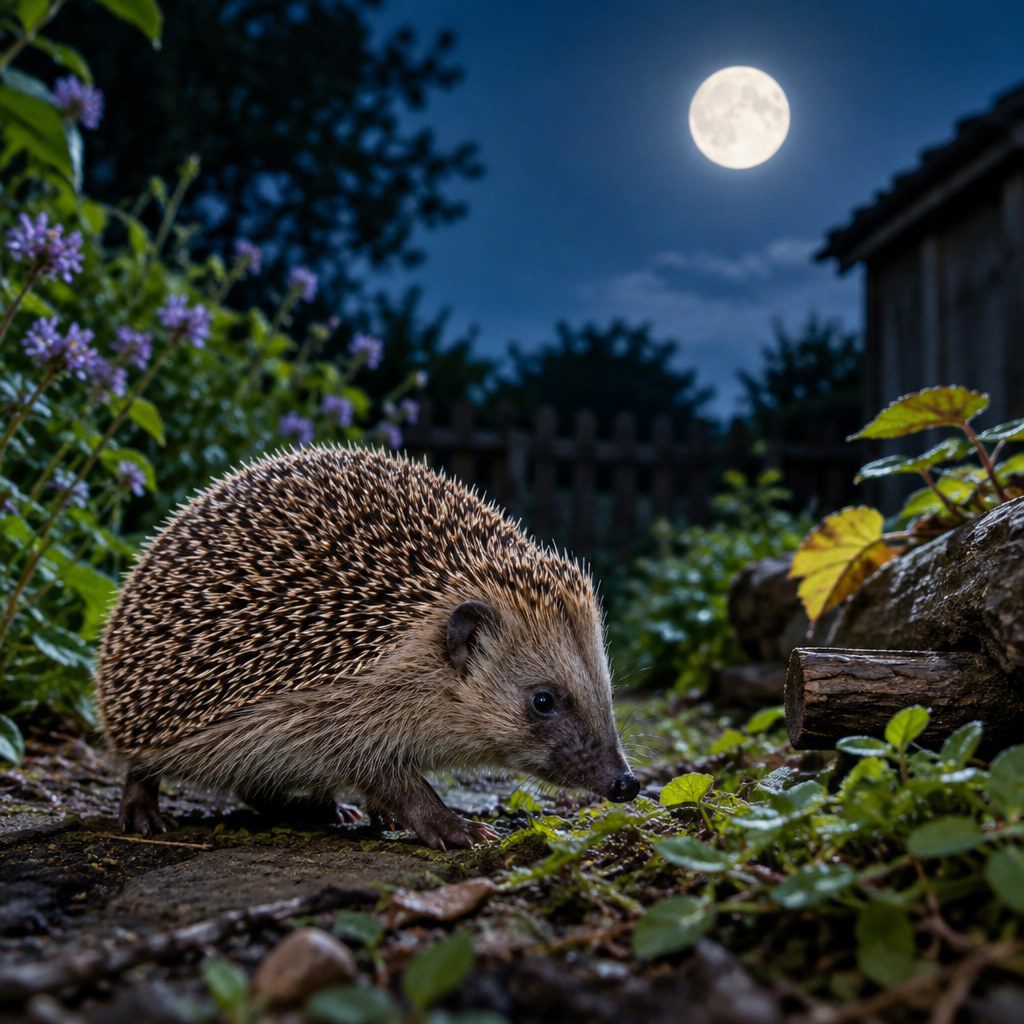
Hedgehogs become active at night because their senses, feeding habits, and survival strategies are adapted to darkness. If you notice hedgehogs visiting a garden, workplace grounds, or managed outdoor space after sunset, the best response is usually to reduce hazards, preserve quiet cover, and avoid disturbing their natural routine.
Understanding nocturnal behaviour helps you make better decisions about outdoor lighting, garden maintenance, pest control, and wildlife-friendly practices. It also helps you recognise when a hedgehog is behaving normally and when it may need help.

Why hedgehogs are nocturnal
Being active at night is an evolved pattern, not simply a preference for darkness. Hedgehogs are most comfortable moving and foraging when many daytime threats and disturbances are reduced. Night gives them a better chance to travel through vegetation, investigate food sources, and return to shelter without encountering as much activity from people, pets, vehicles, or larger animals.
Night reduces exposure to disturbance
Gardens, paths, loading areas, parks, and residential streets are generally busier during daylight. A small ground-dwelling animal is vulnerable when it must cross open ground. Moving after dark can reduce direct contact with people and some potential predators, although nighttime still has risks, especially from roads, outdoor cats and dogs, open drains, and poorly managed waste areas.
Their senses work well in low light
Hedgehogs do not depend on sharp daytime-style vision to find their way. They rely heavily on smell and hearing to identify food, assess unfamiliar objects, and detect movement nearby. Their long snouts help them investigate leaf litter, soil edges, compost-adjacent areas, and dense planting where invertebrates may be found.
Foraging conditions can be more favourable
Many of the small creatures hedgehogs eat are easier to find when conditions are cool, damp, or dark. A hedgehog may cover a surprisingly wide area while checking several gardens or sections of grounds for suitable food. This is why a hedgehog can appear briefly, disappear into cover, and return later from a different direction.
💡 Tip: A hedgehog seen calmly sniffing, walking, and pausing after dark is usually showing normal behaviour. Give it room, keep pets away, and observe from a distance rather than trying to handle it.
What hedgehogs do after dark
A hedgehog’s nighttime activity is mostly practical: find food, navigate safely, locate cover, and avoid threats. The exact pattern varies with weather, season, food availability, habitat quality, and the individual animal’s condition.
Search for food
Hedgehogs investigate soil, leaf litter, planting edges, and sheltered corners for invertebrates. They may revisit productive areas over several nights.
Move between cover
Shrubs, hedges, long grass, and gaps beneath suitable structures can provide short-term cover while the animal moves through a larger area.
Avoid danger
A hedgehog may freeze, curl up, change direction, or remain hidden when it detects unfamiliar sounds, strong light, or nearby movement.
Nocturnal does not mean silent. Hedgehogs can make snuffling, rustling, grunting, or squeaking noises while feeding or interacting. In a quiet garden, these sounds can seem louder than expected. Before assuming there is a pest problem, check carefully and avoid moving piles of leaves or garden materials until you know what is there.
When daytime activity may be a concern
Seeing a hedgehog during the day does not automatically mean it is injured or abandoned. A hedgehog may be briefly active because its nesting place was disturbed, it was displaced, it is searching for resources, or conditions have interrupted its normal routine. However, clear daylight activity deserves a more careful assessment than routine nighttime movement.
Look for signs of poor condition
Keep your distance and watch for obvious warning signs. A hedgehog may need expert help if it appears lethargic, unsteady, visibly injured, trapped, repeatedly exposed in an open area, or unable to move away from danger. Flies around the animal, obvious wounds, or a situation involving netting, a drain, or a road also require prompt action.
Respond without causing additional stress
Do not assume that food, water, or handling will solve the problem. If the animal is in immediate danger, such as on a road or caught in litter, move it only as much as needed to prevent harm and use gloves or a towel to protect both you and the animal. Contact a local wildlife rescue organisation, rehabilitation centre, veterinarian, or relevant animal welfare service for location-specific advice.
Do not relocate a healthy hedgehog simply because it has appeared on your property. Hedgehogs navigate familiar areas for food and shelter. Unnecessary relocation can leave an animal in an unfamiliar area with new hazards and fewer known resources.
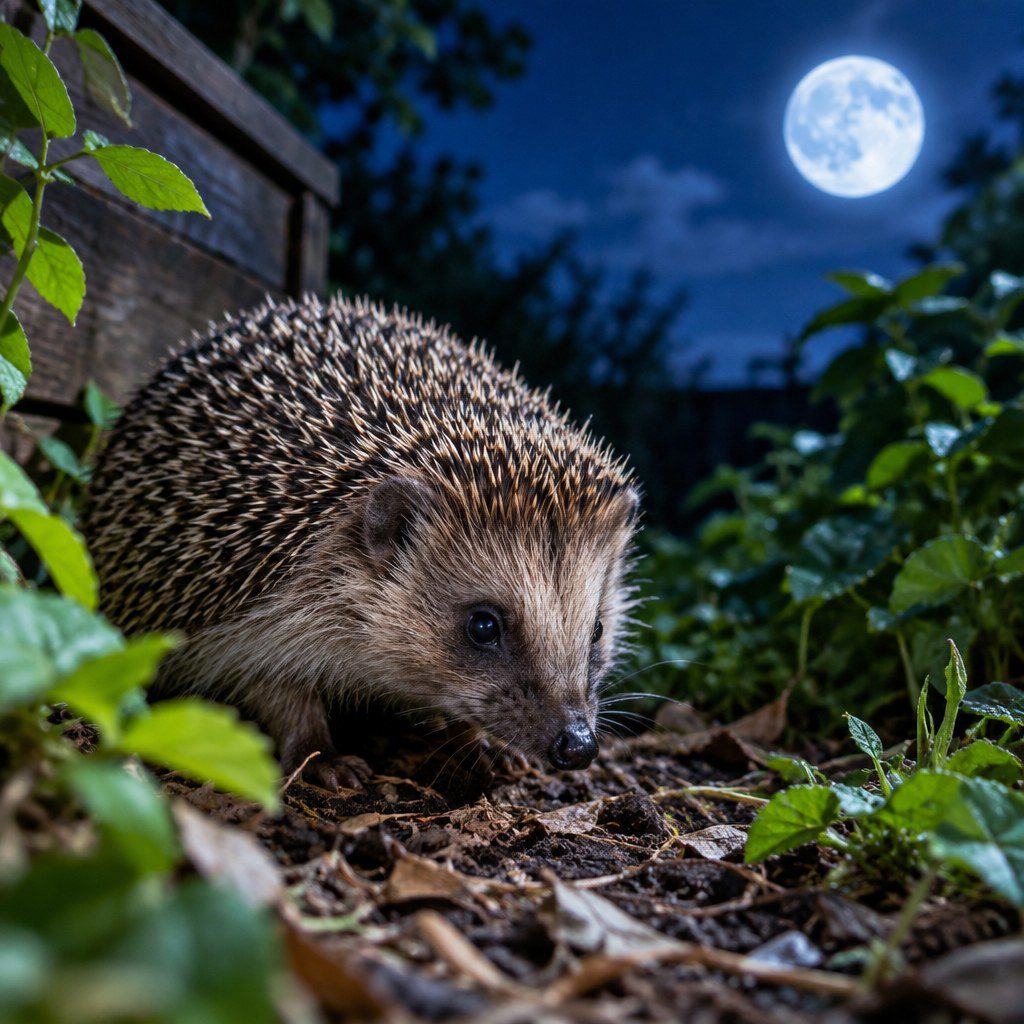
How to make an outdoor space safer for hedgehogs
Whether you manage a home garden, hospitality grounds, a school site, or a small business property, the aim is simple: allow safe passage while reducing preventable hazards. You do not need to create a perfectly wild space. Small operational changes can make a meaningful difference.
Use this practical checklist
- Inspect boundaries. Check whether fences, gates, walls, and dense barriers prevent ground-level movement between connected green spaces. Where appropriate and safe, retain small routes through boundaries.
- Check before cutting or clearing. Inspect long grass, compost areas, leaf piles, hedge bases, and stored materials before using strimmers, mowers, forks, or powered tools.
- Cover or provide escape routes from hazards. Open drains, deep pits, smooth-sided containers, and steep-sided ponds can trap small animals. Secure access points or provide a stable route out where suitable.
- Manage netting and litter. Loose netting, plastic rings, discarded packaging, and tangled materials can entrap wildlife. Store these items securely when not in use.
- Review chemical controls. If you use pest-control products, fertilisers, or other treatments, check labels and speak with a qualified supplier or pest-management professional about wildlife risk and safer alternatives.
- Use outdoor lighting thoughtfully. Avoid leaving bright lights on across habitat edges all night when they are not needed for safety or operations. Timers, shielding, and focused lighting can reduce unnecessary disturbance.
If you provide water, use a shallow, stable dish that animals can approach and leave easily. Keep it clean and positioned away from busy paths, strong lights, and areas where pets regularly feed. Avoid leaving milk out for hedgehogs, as it is not a suitable drink for them.
Risks and common mistakes to avoid
The most harmful mistakes often come from good intentions: moving an animal too quickly, feeding unsuitable items, or changing a site without checking for hidden wildlife. A calm, evidence-based approach is safer than rushing to intervene.
Do not treat every nighttime visitor as a nuisance
A hedgehog passing through at night is not evidence of an infestation. It may be using several connected gardens or landscaped areas. Blocking every access point can fragment its route and push it toward roads or exposed spaces. Instead, focus on the hazards that create direct injury risks.
Do not disturb nests or shelter sites
Dense vegetation and piles of natural material can look untidy but may offer valuable cover. If maintenance is necessary, plan it for a time when you can inspect gradually. Work from the outside in, pause if you find evidence of wildlife, and postpone work if you cannot confirm the area is clear.
⚠️ Warning: Never burn a bonfire pile without moving and checking the materials first. Hedgehogs may shelter in stacked branches, leaves, or garden debris.
Recover from an avoidable hazard
If you discover an unsafe drain, netting, pond edge, or storage area, act first to prevent another incident. Then document the issue, assign someone to inspect it regularly, and include it in routine grounds-maintenance checks. For organisations, this turns a one-off wildlife concern into a manageable site-control task.
Summary: use a simple decision framework
When you see a hedgehog, assess the time, location, behaviour, and immediate hazards. A mobile hedgehog active at night in a sheltered area is usually best left undisturbed. A hedgehog active in daylight, visibly unwell, injured, trapped, or exposed to traffic needs a more cautious response and professional wildlife advice.
Take one practical step tonight
Walk your outdoor space after dark, identify traps and bright disturbance points, and make one safe improvement before your next maintenance cycle.