A Practical Guide to Visiting Ljubljana
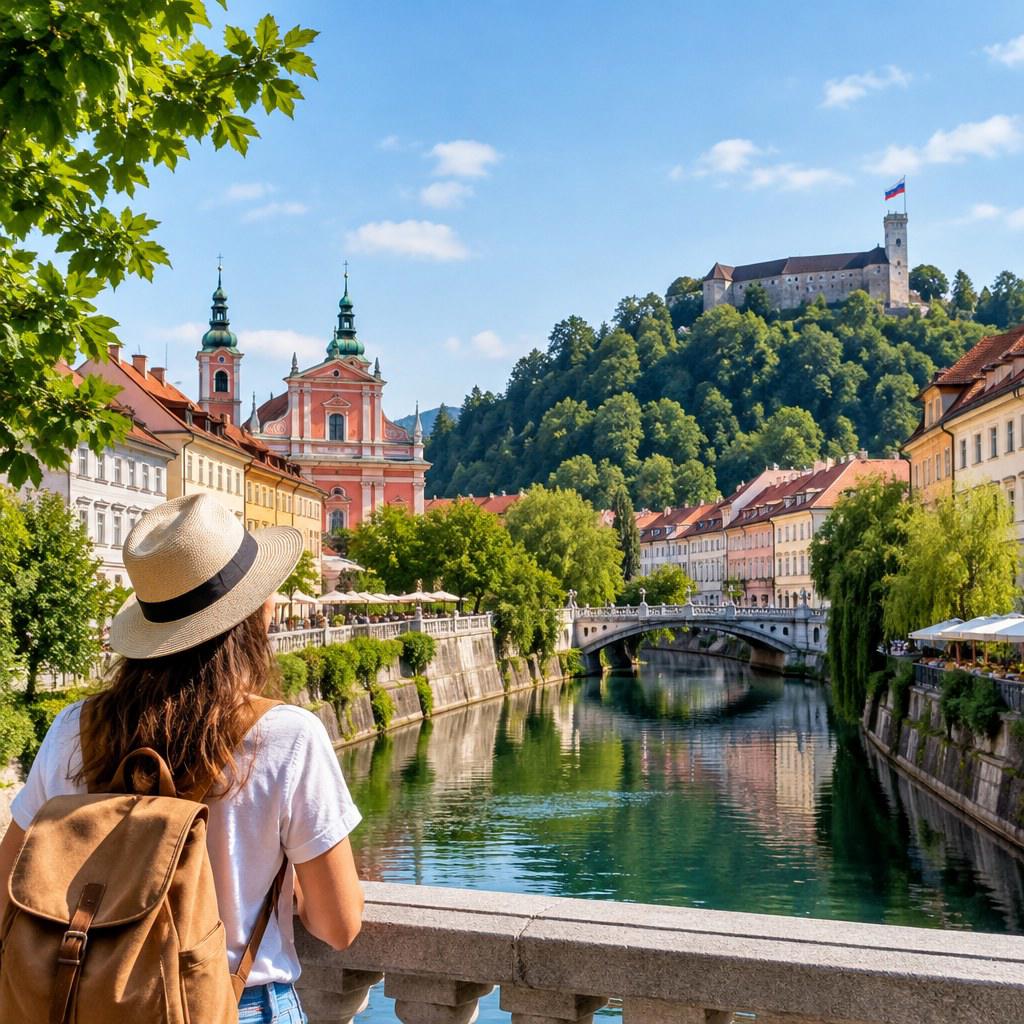
Ljubljana is a compact, walkable capital that works well for a short break, a work trip with free time, or a slower stop between larger European cities. You can make the visit straightforward by staying near the centre, planning around walking and public transport, and checking current opening times, transport rules, and reservations before you travel.
The city rewards a practical approach: keep your daily area small, leave room for cafés and riverside wandering, and use a few well-chosen sights rather than trying to cover every neighbourhood. This guide helps you build an efficient itinerary while avoiding the common booking, transport, and timing mistakes.
Decide how long to stay
For most first visits, 2 full days is a sensible starting point. It gives you time for the old town, Ljubljana Castle, the riverside and central food markets, plus one museum, park, or neighbourhood beyond the core. If you only have 1 day, you can still see the centre comfortably, but you will need to choose between indoor attractions and a slower meal-led visit.
Add a third day if you want Ljubljana to be your base for a day trip, prefer unhurried travel, or have meetings that limit your sightseeing hours. Slovenia’s small scale can make side trips appealing, but do not assume every destination is equally simple without a car. Check current public-transport schedules and seasonal availability before making a fixed plan.
1 night: a focused stop
Choose the old town, castle, riverfront, and one memorable meal. Stay central so arrival and departure do not consume your limited time.
2 nights: the balanced choice
Use separate mornings for the historic centre and a museum or green space. You will have enough flexibility for weather changes.
3 nights: city plus surroundings
Reserve 1 day for a nearby destination, while keeping the city visit relaxed rather than treating it as a checklist.
Your travel style matters more than a rigid number of days. If you are combining the trip with business, schedule your main sightseeing activity for the morning after your last commitment, not for the evening when restaurants and attractions may have reduced availability.
Choose your base and arrival plan
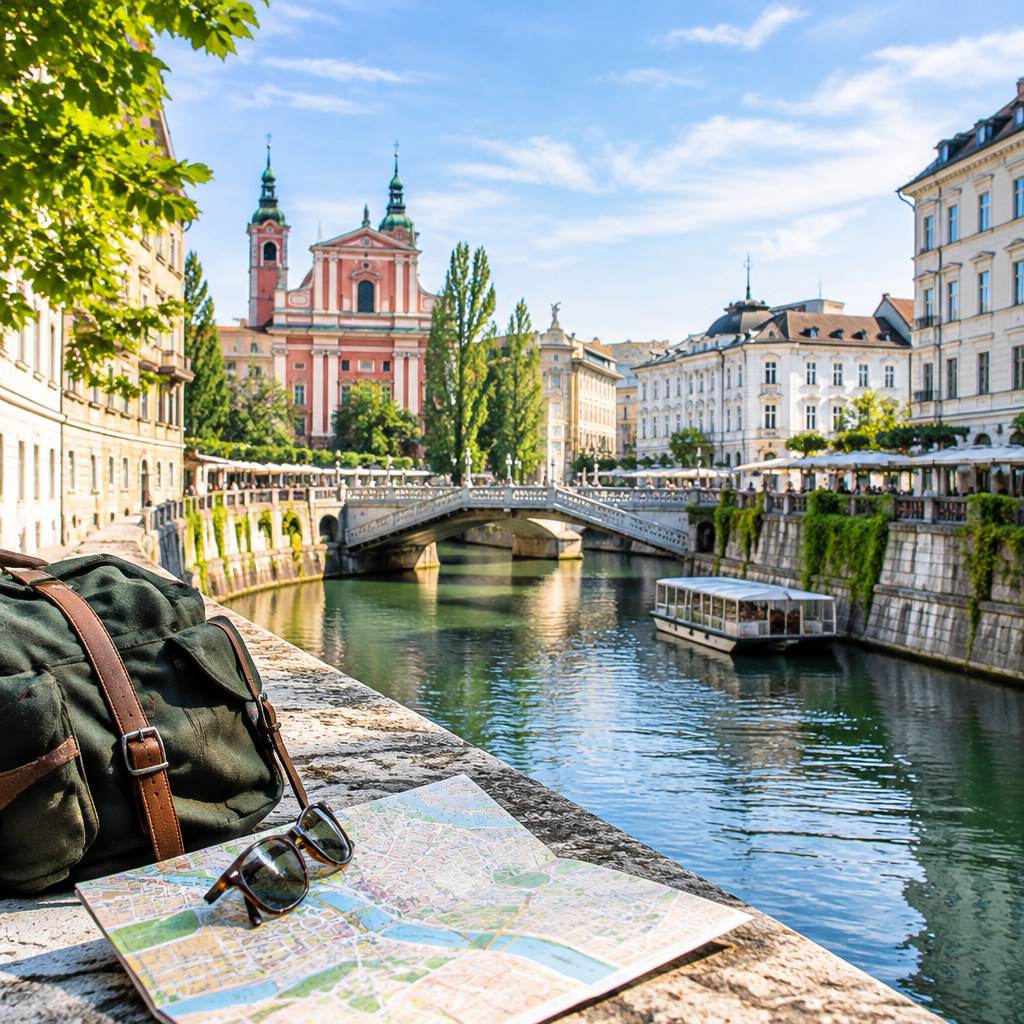
Stay in or close to the pedestrian-friendly central area if this is your first visit. The practical advantage is not just convenience: you can return to your accommodation between activities, avoid repeated transport decisions, and make dinner plans without worrying about a late journey back.
When comparing accommodation, look beyond the headline location. Check the exact address on a map, whether vehicles can reach the entrance, the check-in process, luggage storage, air conditioning or heating for your travel season, and any parking terms. Historic-centre streets can be pleasant for walking but less convenient for taxis, rental cars, or heavy bags.
Plan the airport or station transfer before landing
Ljubljana’s main arrival points are manageable, but the best transfer depends on your arrival time, group size, baggage, and accommodation location. Before you leave, confirm which services operate at your arrival hour, where the pickup point is, whether payment methods suit you, and how far you will need to walk after drop-off.
If you are arriving late, choose certainty over small savings. A pre-arranged transfer or clearly understood taxi option can be worthwhile when you are tired, carrying equipment, or checking into an unfamiliar property. If you use a rental car, ask your accommodation about access and parking before collecting it.
💡 Practical tip: Save your accommodation address, check-in instructions, and host contact details offline. Mobile data, battery level, and a delayed flight should not be able to derail your first hour in the city.
Build a realistic itinerary around walkable clusters
Ljubljana is best experienced in connected areas rather than by jumping across the city. Begin with the old town and river, then add the castle and a nearby attraction. On another day, choose a cultural stop and the green spaces around Tivoli Park. This approach reduces backtracking and leaves room for the small discoveries that make the city memorable.
A practical 2-day outline
- Day 1 morning: Walk the central market area, Triple Bridge, Prešeren Square, and the riverside lanes. Start early if you want calmer photographs and more choice at cafés.
- Day 1 afternoon: Visit Ljubljana Castle. Decide in advance whether you want to walk uphill, use the funicular where available, or take a taxi to save energy.
- Day 1 evening: Book a dinner time that lets you enjoy the riverfront without rushing. If eating outdoors matters to you, have an indoor alternative in wet or cold weather.
- Day 2 morning: Pick 1 museum or gallery based on your interests. Check current exhibitions, closing days, entry arrangements, and bag policies directly before you go.
- Day 2 afternoon: Walk through Tivoli Park, explore a residential neighbourhood, or use the time for a food-focused stop and independent shops.
Do not overfill your plan with attractions that have similar value to you. If architecture and urban design are your priority, allocate longer to the city centre and Jože Plečnik’s work. If your focus is food, reduce museum time and make room for a market visit, a leisurely lunch, and a reserved evening meal.
Move around efficiently
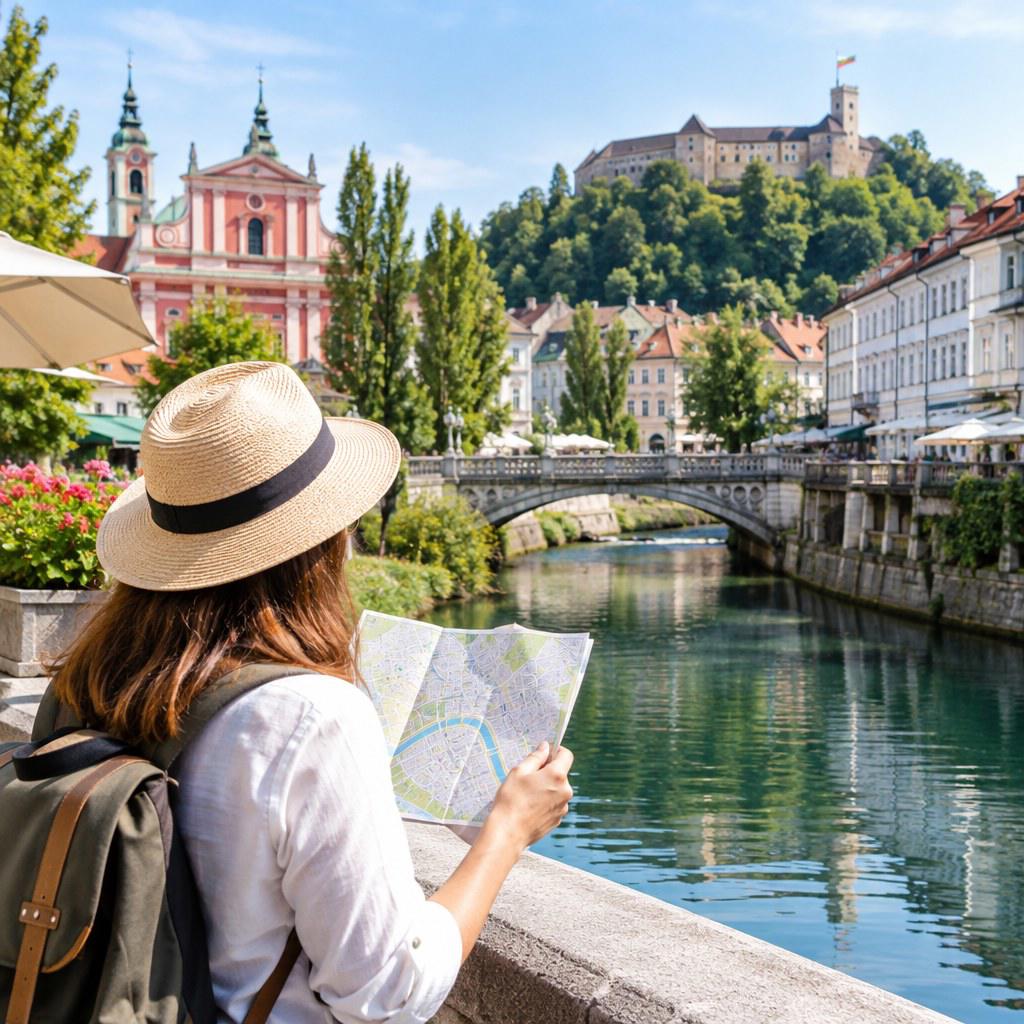
Walking should be your default in the centre. Wear shoes that handle cobblestones, occasional rain, and a full day on your feet. You will see more by walking than by trying to use a vehicle for short central journeys, especially because many of the most appealing streets are pedestrian areas.
Use public transport or taxis for longer distances, poor weather, mobility needs, or when your schedule is tight. Before boarding any bus, check the current ticket and validation system. Cities can change payment options, app requirements, routes, and service frequencies, so avoid relying on old blog posts or screenshots.
Bikes can be useful when you understand local riding conditions and have confidence in traffic. For a first visit, however, walking is usually the lower-friction choice. It avoids locating docks, managing rental terms, and dealing with uncertain weather during a short stay.
Book and pack with purpose
Make reservations only where they protect an important part of the trip. A well-reviewed dinner on a weekend, a specific guided activity, or accommodation during a busy period may justify booking ahead. For general sightseeing, flexibility is valuable because weather and opening hours can change your preferred order.
Your pre-departure checklist
- Check passport, visa, and entry requirements with the relevant official authorities for your nationality.
- Confirm accommodation access, check-in time, local taxes or fees, and luggage arrangements.
- Review current transport options from your arrival point and keep a backup plan.
- Check opening hours for your priority attraction on the exact day you intend to visit.
- Bring comfortable walking shoes, a light rain layer, and a payment method suitable for everyday purchases.
- Keep travel insurance details, booking confirmations, and emergency contacts accessible offline.
Pack for changeable conditions rather than for a single weather forecast. A small waterproof layer and shoes that dry reasonably quickly can be more useful than extra outfits. If you are travelling for work, carry essential presentation materials and chargers in your hand luggage so a delayed bag does not disrupt your schedule.
Avoid common mistakes and recover quickly
The most common error is treating Ljubljana as a city to race through. A crowded schedule often creates unnecessary taxi rides, missed meals, and little time to enjoy the streets that are the point of visiting. Limit each day to 2 or 3 anchor activities, then let meals and walking connect them.
Another mistake is assuming seasonal services, restaurant hours, and attraction access will match a previous traveller’s experience. Check directly before you commit, especially on public holidays, Mondays, evenings, and during poor weather. If a planned attraction is closed, switch to a nearby walk, café, market area, or park rather than spending the day trying to repair the original itinerary.
⚠️ Watch for: Booking a rental car without a parking plan. Central accommodation may have restricted access, limited spaces, or separate charges. If your itinerary is mainly Ljubljana itself, calculate whether the car adds more complexity than value.
Make your decision with a simple framework
Choose Ljubljana if you want a compact European capital where you can combine architecture, food, green space, and a manageable pace without constant transit. Give it 2 nights if you want a satisfying first visit, add time for a day trip, and stay central if convenience matters more than having a larger room or a car at the door.
Your next step is to select your dates, identify 2 priority experiences, and book accommodation within easy walking distance of the centre. Then verify transport and opening details close to departure, when the information is most likely to be current.
Plan less, experience more
Build your Ljubljana visit around a central base, 2 or 3 daily priorities, and enough open time to enjoy the city on foot.