Planning a Relaxed Weekend in Riga
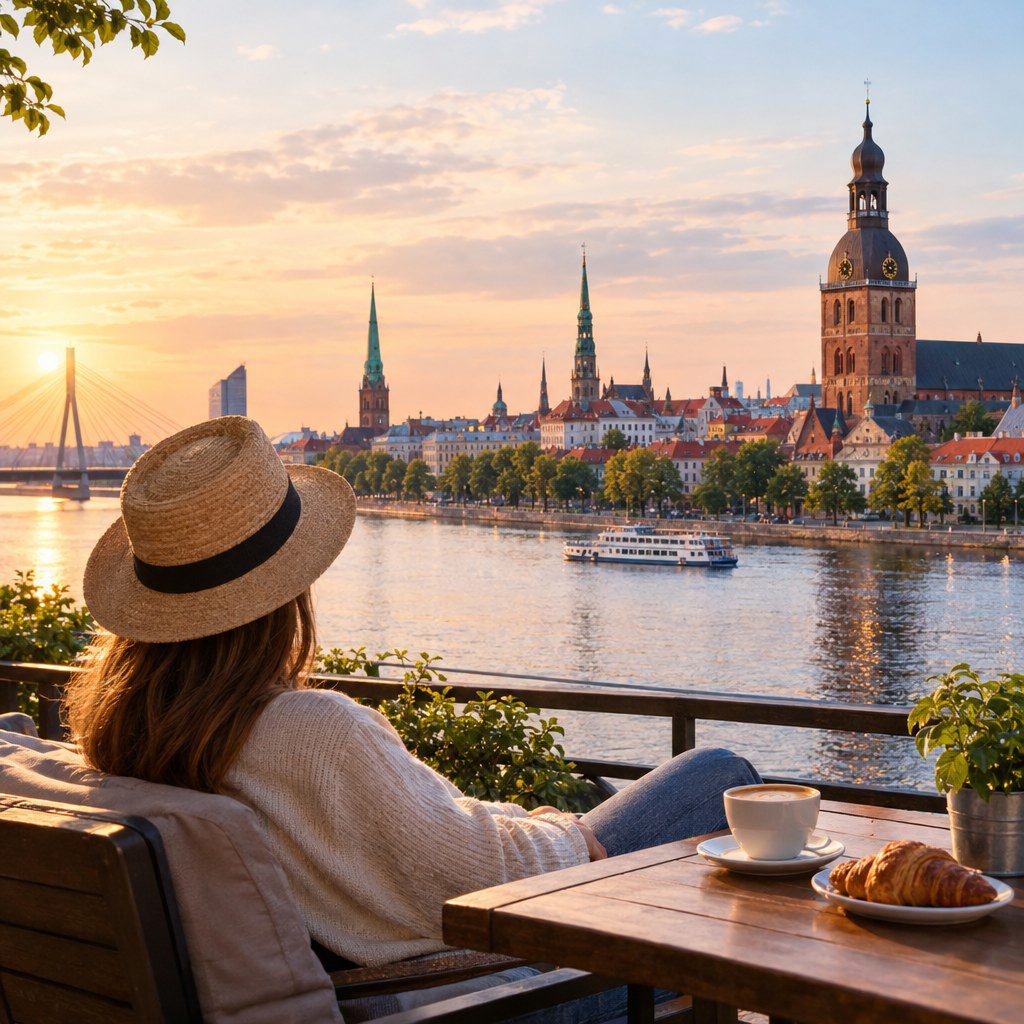
A relaxed weekend in Riga works best when you limit your geography, book only what needs booking, and leave room for unplanned stops. Build your time around the Old Town, the Art Nouveau district, a market meal, and one slower cultural or riverside activity.
Riga is compact, but its cobbles, boulevards, museums, cafés, parks, and variable weather can make a packed itinerary tiring. This plan helps you make simple choices, move at an easy pace, and still experience the city’s character.
Choose a base that reduces friction
Your accommodation shapes how relaxed the weekend feels. For most first-time visitors, the Old Town or its edge is simplest: central sights, restaurants, and walking routes are close, and you can easily return for a rest before dinner.
For quieter streets and cafés, consider the Art Nouveau district around Alberta iela and the central boulevards. It remains walkable to the Old Town but feels less tourist-focused. The Central Market area suits train or coach arrivals and food-led plans, though it can be busier.
Use your priorities to select the area
- Old Town: choose it for convenience, history, and easy evening walks.
- Art Nouveau district: choose it for architecture, cafés, parks, and a calmer base.
- Central Market area: choose it when food, transport links, and local city life matter most.
- Across the Daugava: choose it only if a specific hotel or riverside setting matters more than central access.
Check the walking route, not just map distance. Old streets can be uneven, and apparently nearby hotels may be awkward with luggage. Confirm check-in times, lift access if needed, and whether your room faces a lively street.
Build a light two-day itinerary
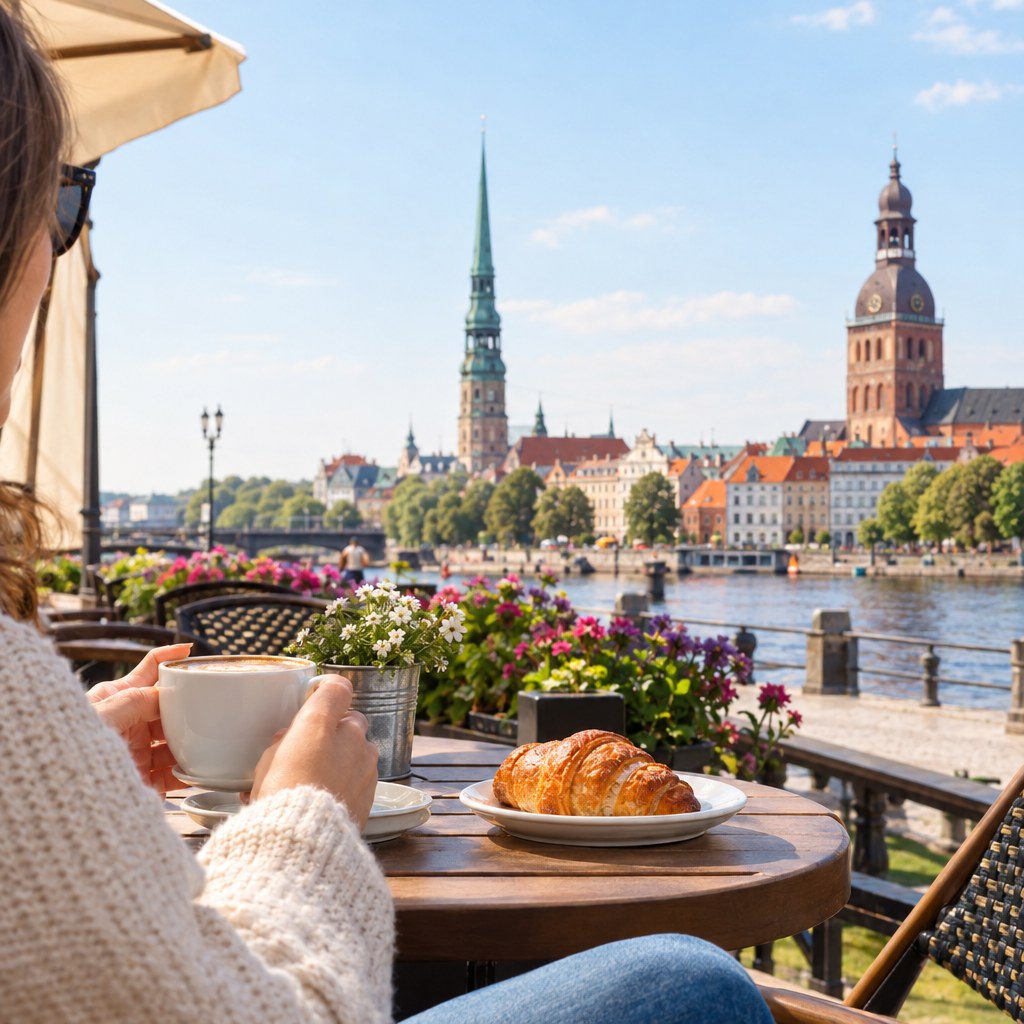
The most reliable formula is one main area and one anchor activity each day. An anchor might be a museum, guided walk, concert, spa appointment, or dinner reservation. Keep everything else optional so you are not constantly watching the clock.
Day 1: Old Town, market, and an unhurried evening
Start late enough to feel rested. Have breakfast near your accommodation, then explore the Old Town without following every sightseeing list. Notice the squares, church spires, narrow lanes, and nearby boulevards. Choose two or three places that genuinely interest you rather than chasing every photo stop.
Head towards Riga Central Market for lunch. It is a flexible stop: browse, choose something simple, and stay as long as you like. If design or history interests you, leave time for one museum or architectural walk. Otherwise, choose coffee, a park bench, or a hotel break.
For the evening, pick one dinner neighbourhood and stay there. A Friday or Saturday reservation is useful if you have a particular restaurant in mind. Skip a second formal activity unless live music, theatre, or a bar is important to your group. A walk after dinner is often enough.
Day 2: architecture, green space, and the river
Use the second morning for the Art Nouveau district. Walk slowly around its decorative façades and look upward; the area rewards attention more than a checklist. If architectural history interests you, choose a small museum or guided visit. Otherwise, create your own route with a café stop and nearby parks.
In the afternoon, choose culture or outdoor time. A museum works well in rain or cold; a riverside walk, canal stroll, or boat trip suits pleasant conditions. Check current opening hours, seasonal operations, and weather with the venue or provider before fixing plans.
💡 Tip: Keep one block of 2 to 3 hours open each afternoon. Use it for a discovery, rest, or weather-based change without losing the weekend’s shape.
Plan meals and breaks without overbooking
Food is part of a relaxed break, but it becomes pressure when every meal requires a reservation or cross-city journey. Make one meal each day a priority and keep the others flexible. For many visitors, that means a booked first-night dinner and a market or café lunch.
Riga offers slow-morning cafés, informal market counters, traditional Latvian cooking, and contemporary restaurants. Choose the format that suits your energy, not what an itinerary says you should do.
Make reservations selectively
- Reserve dinner when the restaurant is central to your trip or the evening is busy.
- Keep breakfast flexible unless your accommodation does not provide it and you are leaving early.
- Use lunch as a reset point rather than a major commitment after a morning of walking.
- Check dietary options with the venue when requirements are essential; menus and practices can change.
Build in sitting time. A 20-minute coffee can be more valuable than another attraction, especially when travellers have different interests. If you are combining leisure with work, schedule calls from your hotel or a quiet café at the edge of the day.
Put the weekend plan into action
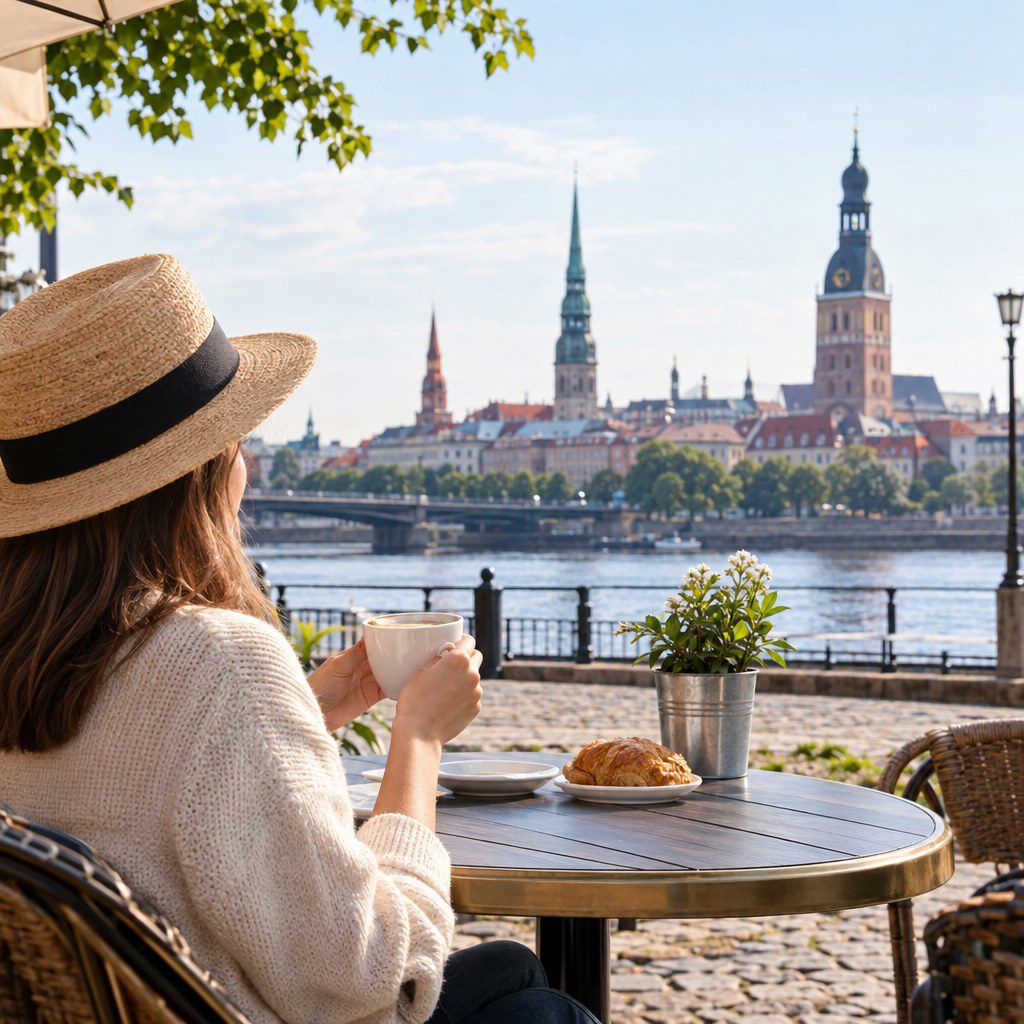
A calm itinerary starts before departure with a few practical decisions. Use this checklist one or two weeks before travel, then check again shortly before leaving. Opening times, transport, and weather can change, so avoid relying on old posts or screenshots.
- Set your arrival and departure boundaries. Treat travel time as part of the weekend. Do not plan a major sight after a late arrival or before an early departure.
- Choose your walking radius. Mark your hotel, breakfast, dinner, and anchor activity for each day. If they are scattered, simplify.
- Book only the fixed points. Confirm accommodation, transport, and must-do activities. Reserve a restaurant only when it reduces uncertainty.
- Prepare for the conditions. Pack comfortable shoes for cobbles and layers for variable weather. An umbrella or waterproof layer can save a walking plan.
- Check current information. Verify museum hours, event details, ticket conditions, and public transport through official sources or venues.
- Save space in your schedule. Keep at least 1 meal and 1 afternoon period open for spontaneous choices.
Use digital maps, but do not let route optimisation control the experience. In the compact centre, a slower route through a park or side street may be better than the fastest road. If using taxis or ride services, confirm the pickup point and payment method, especially near transport hubs.
Avoid common mistakes and recover quickly
The usual mistake is treating a weekend as a compressed city-break challenge. Riga can fill several days, so trying to see everything creates rushed walks. Success is leaving with energy and a sense of the city, not ticking off every attraction.
Trying to cover distant areas in one day
Group plans by area. If a booking takes you away from the centre, make it the day’s main commitment and keep the rest nearby. If a journey takes longer than expected, drop the least important item.
Ignoring weather and seasonal changes
Outdoor plans, boat services, market routines, and opening hours can vary. Prepare an indoor fallback: a museum, gallery, café, or longer lunch. It makes the plan resilient.
Booking every meal and activity
Too many commitments prevent you from following your mood. If you find an appealing street, exhibition, or café, you should be able to stay. When overbooked, cancel or amend the lowest-priority reservation early and use the time to rest.
Underestimating arrival-day fatigue
Keep the first evening close to your accommodation. A simple dinner and short walk are enough, and you will enjoy the next day more.
Use a simple decision framework
When deciding what to include, ask three questions: Is this close to where I already plan to be? Does it match the pace I want? Would I be disappointed to miss it? If the answer is no to two, leave it out.
For a first relaxed weekend, keep the essentials simple: a central base, one Old Town walk, one architecture or culture activity, one market or café-led meal, and generous unplanned time. Add a riverside experience or evening event only when it supports your preferred rhythm.
Make your Riga plan lighter, not longer
Choose 2 daily anchors, group them by neighbourhood, and protect open time. Check current travel, venue, and weather details before you go, then let the city set the pace once you arrive.