A Practical Checklist for Moving Day
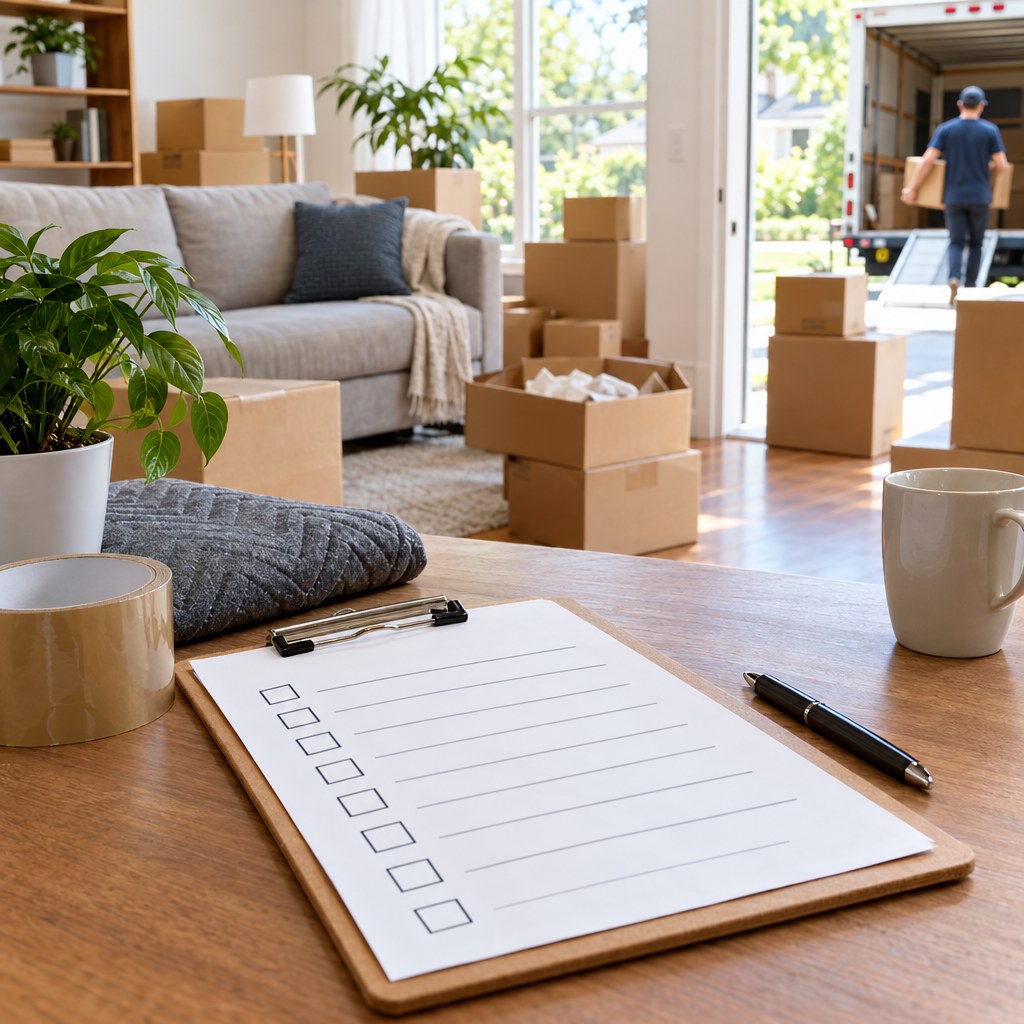
Moving day runs smoothly when you treat it as an operations task rather than a final burst of packing. A clear checklist helps you protect essential items, coordinate people and vehicles, document both properties, and make the new space usable before exhaustion sets in.
This practical moving-day checklist is designed for households, small business owners, and anyone coordinating a move with limited time. Adapt it to your building rules, moving provider, distance, and the amount of equipment or furniture involved.
Before You Leave: Control the Essentials
The most common moving-day problems start before the vehicle arrives: missing keys, unclear access arrangements, unlabelled boxes, and essentials packed too deeply. Your priority is to separate items needed during the move from items that can remain sealed until later.
Create an essentials kit
Pack one clearly marked bag or plastic tote that stays with you, not in the moving truck. Include identification, property documents, phone chargers, medication you use, glasses, keys, basic toiletries, water, snacks, a notebook, pens, and a small first-aid kit. If you are moving a business workspace, add passwords or access devices, critical paperwork, backup drives, and the contact details for your internet or security provider.
Prepare a second “first night” box for the new property. It may contain toilet paper, hand soap, towels, bedding, basic cookware, cups, cleaning supplies, bin bags, scissors, a utility knife, and a flashlight. Label it on every visible side.
💡 Tip: Take a photo of your essentials kit and first-night box before loading begins. If they are moved by someone else, you can identify them quickly among similar bags and containers.
Confirm access and responsibilities
Before moving day, confirm when you can collect keys, where the vehicle can park, whether lifts need to be reserved, and which entrances the team should use. Check any building requirements for loading bays, insurance certificates, noise restrictions, or elevator protection. If you are using professional movers, confirm the arrival window, the main contact person, and what they will not transport.
Assign simple roles if friends, family, or colleagues are helping. One person can answer access questions, another can check rooms as they empty, and another can keep the essentials kit and documents secure. A named role prevents everyone assuming somebody else has handled it.

Moving Morning Checklist
Start with a short inspection before boxes begin leaving the property. This is the point at which you can still find documents, identify damage, and prevent an important item being loaded by mistake.
Verify the plan
Confirm arrival time, route, parking, weather conditions, and the order in which rooms will be loaded. Share one phone number for urgent decisions.
Secure access items
Keep keys, fobs, garage remotes, identity documents, and contract paperwork with you. Do not place them in a box marked “miscellaneous.”
Protect priority items
Set aside valuables, fragile equipment, and irreplaceable records. Decide whether you will carry them yourself before loading starts.
Walk every room in a fixed order
Use the same route through the property each time: for example, start upstairs or at the farthest room and work toward the exit. Open cupboards, drawers, closets, storage areas, the loft or basement, and outdoor spaces. Check behind doors and under beds. This disciplined pass is more reliable than trying to remember each room at the end.
- Photograph the condition of rooms, floors, walls, and any existing damage before departure.
- Read meters if relevant to your property and keep a dated photo for your records.
- Empty and defrost appliances according to their manufacturer guidance before transport.
- Disconnect devices only after taking a photo of cable connections that may be difficult to recreate.
- Keep cleaning tools accessible until the final inspection is complete.
- Check that children, pets, and visitors have a quiet, safe arrangement away from doorways and lifting areas.
If a box is not labelled, label it before it leaves. Write the destination room, a short description of contents, and “fragile” where appropriate. Avoid vague labels such as “bedroom” if more than one bedroom exists at the new address.
Loading, Transport, and Handover
Loading is where small decisions affect both safety and unpacking speed. The objective is not simply to fill the vehicle. It is to load in a way that protects items, keeps the route clear, and allows priority boxes to be unloaded first.
Use a loading sequence
Generally, large furniture and sturdy, heavy items should be placed first and secured so they cannot shift. Lighter boxes and soft goods can fill gaps later. Keep fragile items upright where their packaging requires it, and avoid placing heavy boxes on top of cartons containing electronics, glass, or paperwork.
Ask the movers or helpers to place boxes by destination room, not wherever there is open space in the new property. A simple room label on the door can reduce repeated questions and prevent a pile of kitchen boxes blocking the hallway.
Document the handover
If you are handing over a rented home, office, or commercial unit, follow the requirements in your agreement and retain copies of relevant records. Photograph the final condition after the property is empty and cleaned. Return keys using the agreed method, and note when and to whom they were given. Do not rely on a verbal handover when a written record is possible.

Arrival and First-Night Setup
At the new property, resist the pressure to unpack everything immediately. First make the space safe, functional, and easy to navigate. You can organize decorative items and low-priority storage later.
Inspect before unloading
Take photos of the property’s condition as you enter, especially any issue that needs to be reported to an owner, agent, building manager, or service provider. Locate the electrical panel, water shut-off point, heating controls, and main exits. Test essential lighting and identify any immediate hazards such as leaks, broken glass, loose flooring, or blocked access routes.
Set up in priority order
- Place the essentials kit, first-night box, and important documents in a secure, visible location.
- Clear a safe route from the entrance to the main rooms before opening boxes.
- Make beds or prepare sleeping arrangements before fatigue makes the task harder.
- Set up the bathroom with soap, towels, toilet paper, and basic cleaning supplies.
- Prepare a simple food and drink station rather than attempting a full kitchen unpack.
- Connect only essential devices first, such as phones, necessary work equipment, and internet hardware where available.
- Check that doors and windows lock properly before you settle in for the night.
If you are moving business equipment, test the systems required for the next working day before unpacking less important items. That may include internet access, payment equipment, computers, security systems, printers, or essential stock storage. Escalate service interruptions promptly using the provider details you prepared earlier.
Risks, Mistakes, and Recovery Actions
Even a well-planned move can encounter delays, missing items, weather changes, or access problems. The useful response is to protect people and essentials first, then create a written record of what happened and what needs to be resolved.
Avoid these common mistakes
- Overpacking boxes: Use smaller boxes for dense items such as books and tools. A box that is difficult to lift is difficult to handle safely.
- Mixing critical documents with household goods: Keep records, keys, and devices with you throughout the move.
- Ignoring access constraints: Confirm parking, stairs, lifts, and door measurements before the vehicle arrives.
- Unpacking without a room plan: Direct boxes to rooms first, then unpack by immediate need.
- Leaving final checks until everyone has gone: Inspect both properties while help is still available.
⚠️ If something is damaged or missing: Photograph the item, its packaging, and its location as soon as you notice the issue. Keep related paperwork, make a clear inventory note, and contact the relevant moving provider or property contact using the process agreed for your move.
A Simple Decision Framework for Moving Day
When time is tight, use 3 questions to decide what to do next: Is it safe? Is it essential today? Does it need evidence or a record? If the answer is yes to safety, deal with it immediately. If it is essential, place it in the first-night or priority setup plan. If it needs evidence, photograph and document it before moving on.
This framework keeps you from spending moving-day energy on low-value tasks while important work remains unfinished. A successful move is not one where every box is unpacked; it is one where the old property is properly closed, the new property is secure, and you can function comfortably the next day.
Make Your Checklist Before Packing Begins
Copy this checklist into your notes app or print it, then assign each task to a person and a time. A short plan prepared early is easier to follow when moving day becomes busy.