Choosing a Comfortable Pace for a Trip to Rome
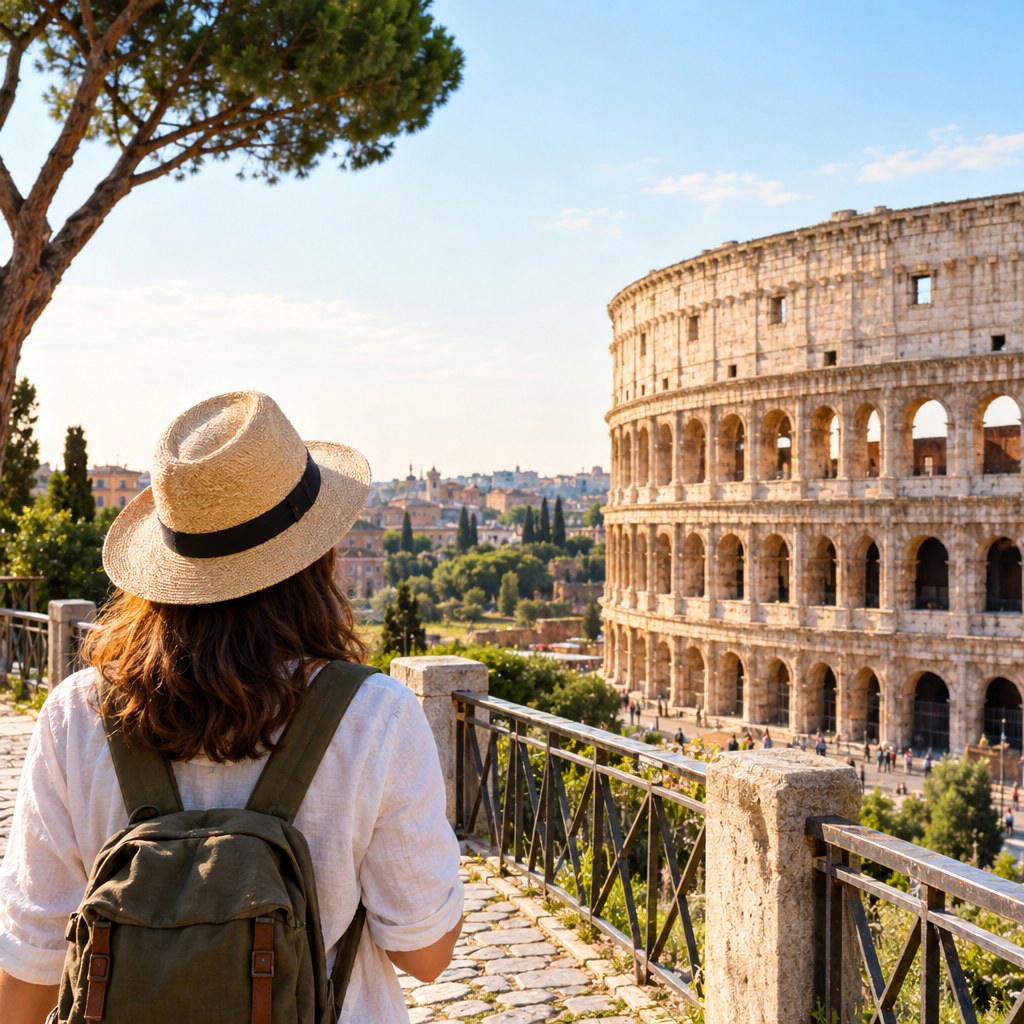
Choosing a comfortable pace for Rome means planning fewer fixed commitments than you think you can fit, grouping sights by neighborhood, and leaving room for heat, queues, meals, and unplanned discoveries. The result is a trip that feels deliberate rather than rushed: you see major places with attention, keep your energy for the evenings, and can adjust when the city moves more slowly than your itinerary.
What determines a comfortable pace in Rome
Rome is easy to underestimate on a map. Many central landmarks appear close together, but cobbled streets, crossings, crowds, hills, museum entrances, and the temptation to stop can stretch short distances into long transitions. A comfortable plan treats movement as part of the visit, not empty time between attractions.
Your pace should reflect 4 practical variables: the number of full days available, your group’s walking tolerance, the season and weather, and how strongly you value depth over coverage. A first visit can include headline sites such as the Colosseum, the Roman Forum, Vatican Museums, St. Peter’s Basilica, the Pantheon, Trevi Fountain, and Piazza Navona. It does not need to include every museum, viewpoint, church, market, and neighborhood in the same trip.
For business owners and busy practitioners, the familiar risk is treating leisure travel like a tightly managed workday. That approach may look efficient in a calendar, but it can create decision fatigue and leave no capacity for delays. Rome rewards a schedule with operating slack: time that absorbs a late start, a security line, a long lunch, or the choice to stay somewhere interesting.
💡 Tip: Define success before you build the itinerary. If success means “see the major ancient and Vatican sites,” reserve time for those. If it means “feel the rhythm of Rome,” protect long meals, neighborhood walks, and open blocks of time.
Use energy, not attraction count, as your planning unit
Instead of asking how many places fit in a day, ask how much concentrated activity your group enjoys. A large museum, a major archaeological area, or a timed landmark visit can be a day’s main commitment. Add a nearby meal, a short walk, and one flexible stop rather than another major ticketed attraction.
This distinction matters especially if you are traveling with children, older relatives, or colleagues. It also matters if you arrive after an overnight flight. The first day may be suitable for a gentle orientation walk, but not necessarily for a schedule that depends on precise timing.
Choose your trip style before you book activities
A good Rome itinerary starts with a choice about priority. You can combine styles, but one should lead. This keeps the plan coherent when reservations, restaurant choices, and travel time compete for the same hours.
Landmark-focused
Best when this may be your only visit for some time. Reserve major entries early, then keep surrounding hours simple and local.
Neighborhood-focused
Best when you want daily life, food, and atmosphere. Select a few anchor sights and let walks and meals shape the day.
Interest-focused
Best when art, ancient history, architecture, or food is your main reason for going. Accept that some famous places may be optional.
Once you choose a lead style, create 3 lists: non-negotiables, nice-to-haves, and only-if-convenient stops. Non-negotiables are the few experiences that would make you disappointed if missed. Nice-to-haves are worthwhile but should not force cross-city travel. The final list is for open time nearby.
For example, if the Vatican Museums are a non-negotiable, you might make that the only major indoor attraction for that day. You could follow it with St. Peter’s Square, a meal, and a slow walk in the Prati area. Adding the Colosseum later that afternoon usually creates unnecessary pressure, even if transport makes it technically possible.
Build a realistic daily rhythm
A sustainable Rome day generally has an anchor, a recovery period, and a flexible evening. The anchor is your timed or high-priority visit. The recovery period is a meal, hotel break, café stop, or unhurried neighborhood walk. The evening is where you can decide based on energy rather than obligation.
Make mornings purposeful
Schedule your most important reservation in the morning where possible. You are more likely to have energy, and a single early commitment gives the day structure without filling it. Check the official venue information before finalizing any time-sensitive plan, because entry procedures, hours, and closure days can change.
Protect the middle of the day
Do not treat lunch as a short administrative break. In warm weather, the middle hours can feel especially demanding; in cooler months, museums and churches can still involve long periods standing. Plan a proper meal or return to your accommodation if it is reasonably located. A reset can preserve the evening rather than reduce sightseeing.
Keep evenings lightly programmed
Rome is particularly enjoyable when your evening plan is small: a dinner area, a piazza, a riverside walk, or a view you can skip without regret. Avoid booking every dinner far from where you will finish the afternoon. A rigid evening reservation can turn a relaxed day into a race across town.
- Plan 1 major ticketed visit or demanding site per day.
- Add 1 nearby secondary activity, not another citywide transfer.
- Leave at least 1 open block each day.
- Keep 1 half-day during the trip free of advance reservations.
- Place your most important experience before your final day when possible.
Plan Rome by neighborhood, not a master checklist
Geographic grouping is the simplest way to reduce friction. It limits repeated transfers and makes it easier to change course when a site is crowded or you discover a place you want to explore longer. You do not need a perfect route; you need a sensible area for each day.
Use map tools only after you have chosen your anchors. Mark your accommodation, the day’s primary site, and 2 nearby options. Then stop optimizing. A plan that leaves space for a wrong turn or a long espresso is more useful than a route that assumes every minute will run perfectly.
A practical planning checklist
- Count full, usable days rather than travel days. Arrival and departure days often need lighter expectations.
- Choose 3 to 5 non-negotiable experiences for a short trip, adjusting downward if your group prefers slow travel.
- Check official information for the attractions that require tickets, timed entry, or have security procedures.
- Assign each non-negotiable to a morning or a single major block of time.
- Group every day around one area of the city and identify a nearby lunch option and flexible stop.
- Add a rest window after your most demanding visit, especially in warm conditions or after extended walking.
- Keep at least 1 open half-day for weather changes, a favorite neighborhood, shopping, or an attraction you missed.
- Share the plan with everyone traveling and ask which stops are personally important before reservations are made.
When you travel with colleagues or a mixed-interest group, identify a regrouping point and time rather than insisting everyone follows every stop. Splitting for an hour or 2 can be more comfortable than compromising every choice. Agree in advance on how you will communicate if one group runs late.
Common mistakes and how to recover
Trying to “make up” for slow progress
If a museum visit or meal takes longer than planned, do not automatically compress the rest of the day. Choose which later item becomes optional. Cutting a low-priority stop is usually better than rushing through 3 more places while tired.
Booking every hour in advance
Reservations can be useful, but too many create a fragile chain of deadlines. Keep bookings for the places where entry access truly matters. Build free time around them, and verify cancellation or change terms before purchase where those terms affect your flexibility.
Underestimating transfers
Transit, taxis, and walking all depend on the exact starting point, time of day, and local conditions. Avoid scheduling a major activity immediately after a cross-city move. If a transfer is unavoidable, make the following stop flexible rather than timed.
Ignoring the group’s real preferences
A long list can hide disagreement. One person may want art, another may want food, and another may simply need downtime. Ask directly what each person would regret missing. Then make the trade-offs visible before the trip, not during a tired afternoon.
Choose the pace you can enjoy twice
Use this test: would you still be happy with this day if queues, weather, or fatigue made it take longer? If the answer is no, remove one commitment. A comfortable Rome itinerary has 1 priority, 1 nearby option, and enough open time to let the city become part of the plan.
Your next step is to list your non-negotiables, assign each one to a separate realistic time block, and leave the remaining hours intentionally unscheduled.