Planning a First Visit to Valencia
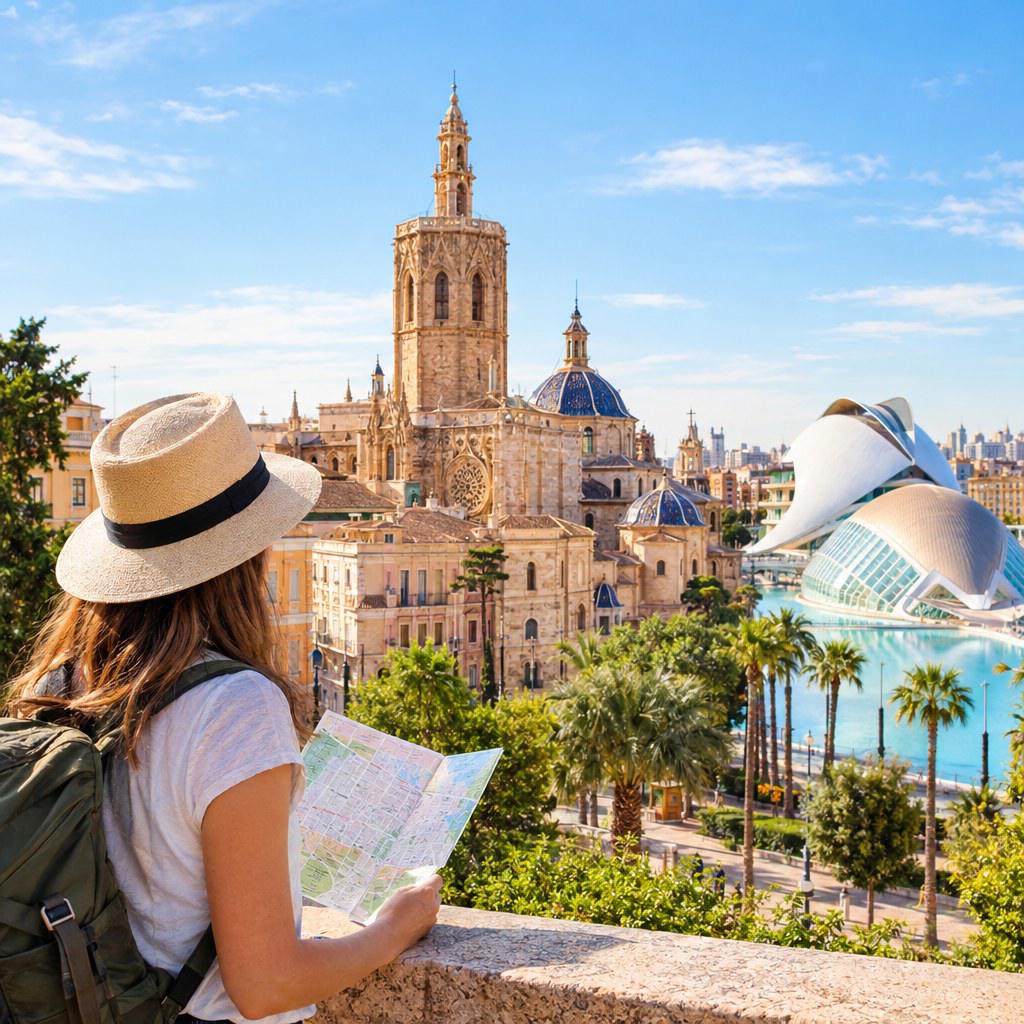
Valencia is an easy city to enjoy on a first visit if you plan around its distinct areas rather than trying to see everything at once. A practical itinerary balances the historic centre, the modern City of Arts and Sciences, the beach, and long meal breaks, while leaving room for the slower local rhythm that makes the city memorable.
For a business traveller, decision maker, or independent practitioner, the key is reducing friction: choose a well-connected base, reserve time-sensitive activities early, understand how to get around, and build a schedule that has enough flexibility for meetings, meals, and unexpected discoveries.
Choose the right time and base
Start by deciding what you need most from the trip. Valencia can support a culture-focused city break, a food-led visit, a beach break, or a work trip with leisure around the edges. Your priority should determine both your accommodation area and the order of your days.
Spring and autumn are often comfortable choices for walking and outdoor dining, while summer suits travellers who want beach time but can bring stronger heat and busier coastal areas. Winter is generally quieter and can work well for museums, restaurants, and professional travel. Before committing, check the dates of major local events, as hotel availability, traffic, and noise levels can change significantly.
Pick an area that matches your daily plan
Ciutat Vella, the historic centre, is useful if you want to walk to major landmarks, cafés, markets, and evening restaurants. It is a strong choice for a short first visit, although some streets can be lively late at night. Ruzafa is a popular option for dining, independent shops, and a more residential feel, with a manageable walk or short ride to central sights.
Stay near the City of Arts and Sciences if you have meetings or priorities in that part of town, or if modern architecture and the Turia Gardens are central to your plans. For a beach-oriented stay, look around Cabanyal, Malvarrosa, or Patacona, but recognise that you will spend more time travelling to the old town. A split stay is rarely necessary for a first trip unless work requires it.
💡 Planning tip: Map your accommodation against your first morning appointment or priority attraction. A lower room rate can be a false economy if it creates repeated cross-city journeys.
Build a realistic first-visit itinerary
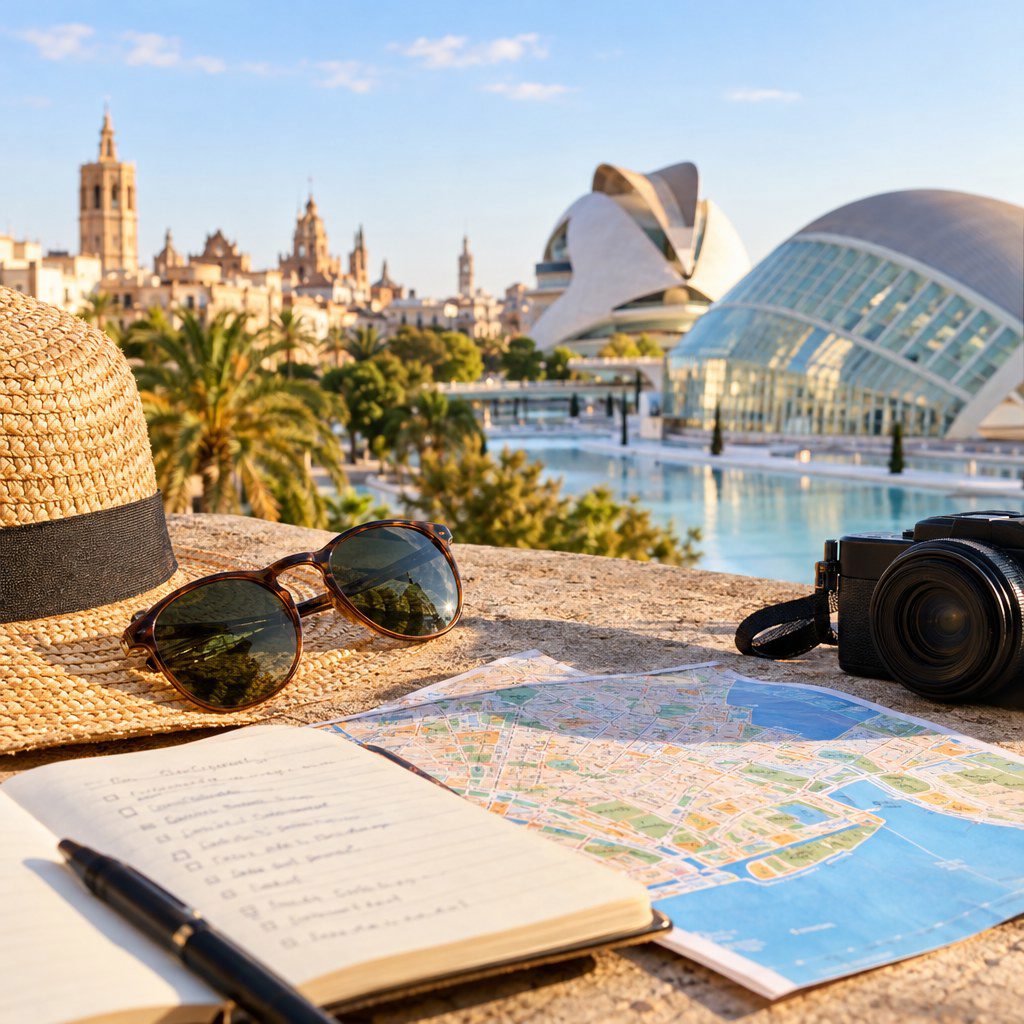
Valencia rewards a neighbourhood-based itinerary. Trying to cover the old city, museums, gardens, and beach in a single day creates unnecessary transfers and turns a relaxed city into a checklist. Instead, group places that naturally connect on foot or by a short ride.
A sensible 2-day structure
On your first day, focus on the historic core. Begin around the Central Market and the surrounding old-town streets, then work outward toward the cathedral area and plazas. The market is best approached as a working food market rather than a rushed photo stop: arrive with time to browse, then decide whether you want a light snack there or a longer lunch elsewhere.
Use the afternoon for the Lonja area, the cathedral quarter, small museums that fit your interests, or unplanned walking. Keep the evening local. This is the simplest way to avoid spending a valuable first night commuting between distant districts.
On day 2, follow the Turia Gardens toward the City of Arts and Sciences, or travel there directly if your time is limited. The gardens are a long former riverbed transformed into public green space, so they work as both a route and a break from the streets. Choose one major attraction in the complex rather than assuming you can absorb every venue in a few hours.
If you have a third day, reserve it for the sea. Combine a walk around Cabanyal with beach time and a seafood lunch, or take a nature-focused excursion to Albufera if that better matches your interests. Check transport arrangements and seasonal schedules before relying on a tightly timed outing.
Make room for work without losing the trip
If you are combining business with leisure, schedule meetings in clusters. For example, keep a central morning meeting, a nearby lunch, and a late-afternoon walk in the same zone. Avoid booking an appointment near the beach immediately after a morning in the old town unless you have allowed for travel and a buffer.
Protect 1 unstructured block each day. It gives you capacity for a delayed meeting, a useful conversation, a restaurant recommendation, or simply a longer pause when the weather is warm. In practical terms, an itinerary with 2 anchors per day is usually more dependable than one with 6.
Handle transport, food, and bookings before you arrive
Valencia is walkable within individual districts, but distances between the historic centre, modern attractions, and the coast are substantial enough to affect your plans. Use walking for concentrated exploration, and use public transport or taxis when changing zones. Check current routes, operating hours, ticket options, and airport connections through official transport information shortly before departure, as services can change.
Plan meals around local timing
Meal timing can differ from the schedule you may use at home. Many restaurants serve lunch later than visitors expect, and dinner service may begin later in the evening. If you have a fixed meeting, museum entry, or train connection, do not rely on walking into your preferred restaurant at the last minute. Reserve when the restaurant accepts bookings, especially for a group or a weekend meal.
Paella is closely associated with Valencia, but treat it as a planned lunch rather than a quick meal squeezed between attractions. Ask whether it is prepared to order, whether there is a minimum number of diners, and how much time it requires. This is not a restriction; it helps you choose a venue and time that suit the meal.
Use this first-visit checklist
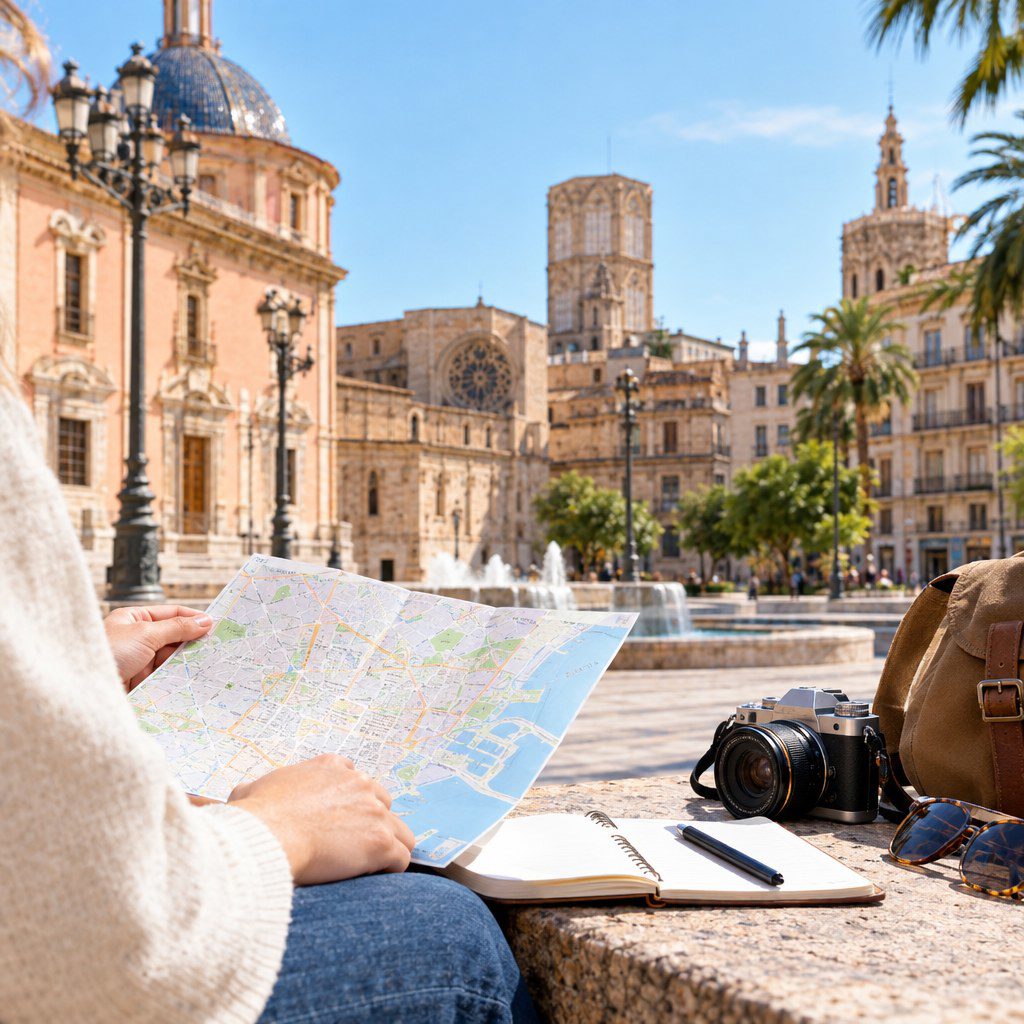
Complete the essentials before leaving, then keep your day-by-day plan deliberately light. This approach gives you enough structure to avoid wasted time without locking you into a rigid schedule.
- Choose accommodation based on your top 2 priorities: central sights, meetings, modern attractions, or beach access.
- Confirm airport-to-accommodation transport options for your arrival time, including late-night alternatives if relevant.
- Identify 1 must-do activity for each full day and check whether it needs timed entry.
- Reserve important meals, particularly paella lunches, group dinners, or restaurants with limited seating.
- Save offline copies of booking confirmations, accommodation details, and key addresses.
- Pack comfortable walking shoes, a reusable water bottle, and layers appropriate to the season.
- Leave at least 1 open period each day for a market visit, garden walk, café stop, or schedule recovery.
Avoid common mistakes and recover quickly
The most common planning error is treating Valencia as a compact set of attractions with no travel time between them. The solution is simple: look at each day geographically before you finalise bookings. If 2 commitments sit in opposite parts of the city, move one where possible or build in a generous transit buffer.
Another mistake is overbooking cultural venues. You may be interested in several museums or attractions, but entry times create a fixed schedule. Pick the experiences most relevant to you, then let the rest remain optional. If a venue is sold out, do not spend the day searching for a workaround; switch to a nearby district, garden route, or food stop.
Visitors also underestimate heat, sun exposure, and the value of midday rest in warmer periods. Carry water, use shade and indoor stops sensibly, and schedule demanding walks early or later in the day. If rain changes your plans, use the historic centre’s indoor spaces, markets, and museums rather than trying to preserve an outdoor-only itinerary.
📋 Before booking: Check cancellation terms, opening days, current transport notices, and any event-related restrictions directly with the accommodation, venue, or transport operator.
Make the final decision with 3 questions
First, ask what your trip is primarily for: historic culture, food, the coast, architecture, or work. Second, choose a base that reduces travel to that priority. Third, commit only to the bookings that would genuinely disappoint you to miss.
A strong first visit to Valencia is not the one with the longest list of attractions. It is the one where your accommodation, transport, meal times, and daily route support the reason you came. Keep each day focused on one area, reserve the essentials, and leave enough unplanned time to experience the city rather than merely move through it.
Set your Valencia plan before you book
Choose your travel dates, map your preferred neighbourhood, and build a 2- or 3-day outline with only the experiences that matter most to you.