A Practical Guide to Freezing Cooked Meals
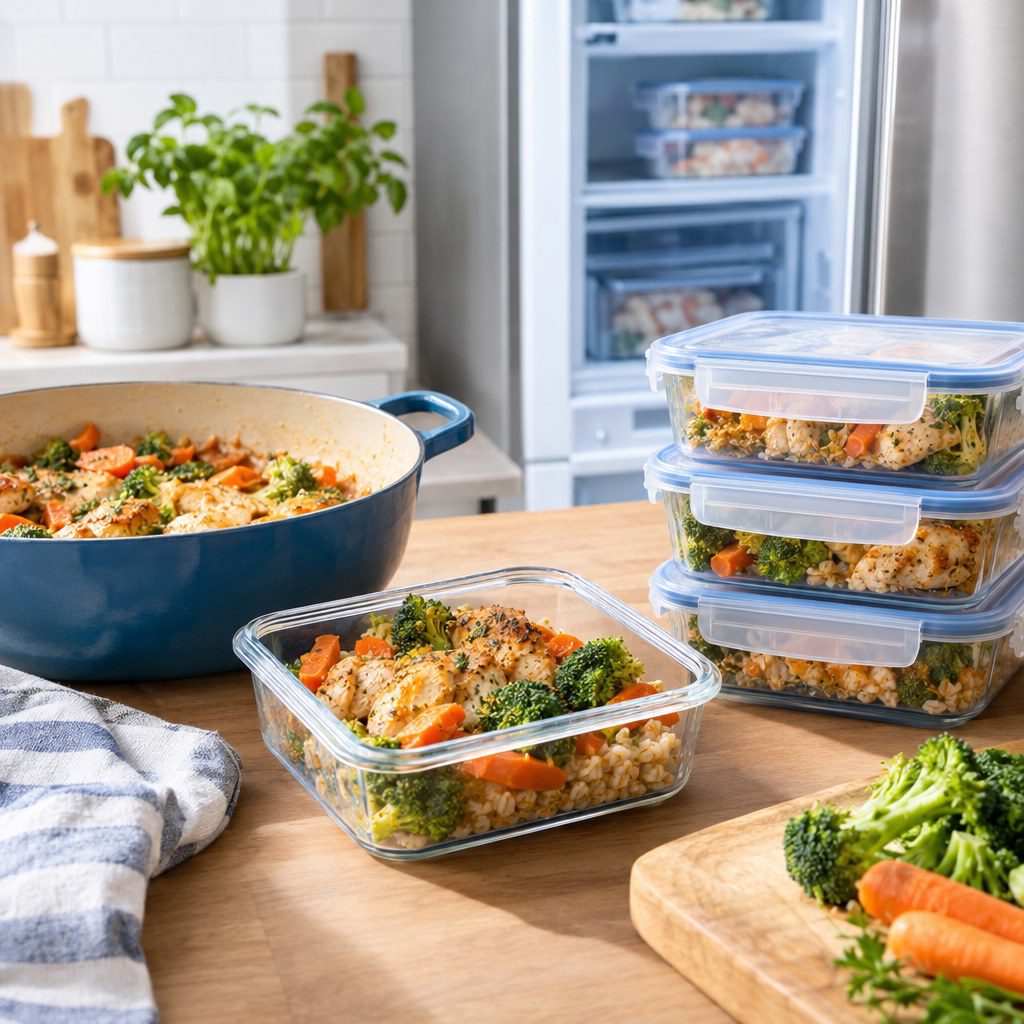
Freezing cooked meals can save time, reduce food waste, and make busy days easier—provided you cool, portion, package, label, and reheat food carefully. A reliable system protects flavour and texture while helping you find meals before they become forgotten freezer clutter.
The practical goal is simple: freeze food in usable portions, remove as much air as possible, keep clear records, and rotate meals regularly. Whether you are preparing family dinners, stocking a workplace kitchen, or building a more efficient meal-prep routine, the same habits make the difference.
What freezes well—and what does not
Freezing pauses spoilage rather than improving food. Start with meals that taste good when freshly cooked, because freezing will not fix bland seasoning, dry meat, or overcooked vegetables. Foods with sauces, braises, soups, curries, stews, casseroles, cooked beans, grains, and shredded meats generally handle freezing well.
Moisture is the key consideration. Saucy dishes retain tenderness and are less exposed to freezer air. For example, you can freeze a portion of chilli or lentil soup with confidence because its liquid protects the ingredients and reheats evenly. A plain chicken breast can also be frozen, but it benefits from gravy, sauce, or broth to limit dryness.
Meals that usually perform well
- Soups, stocks, stews, curries, and slow-cooked dishes
- Tomato-based pasta sauces, ragù, and cooked meatballs
- Lasagne, shepherd’s pie, enchiladas, and other baked dishes
- Cooked rice, quinoa, beans, and lentils in meal-sized portions
- Cooked shredded chicken, pulled pork, and minced meat dishes
- Vegetable dishes intended for soups, sauces, or casseroles
Foods that need a different plan
Crisp salad leaves, cucumber, radishes, and raw watery vegetables become limp after freezing. Creamy sauces may separate, and fried coatings usually lose their crunch. Boiled pasta can soften further during reheating. That does not make these foods unusable; it means you should freeze the base meal and add fresh components later. For example, freeze a curry and cook fresh rice, herbs, or flatbread on serving day.
💡 Tip: Freeze one test portion before committing a full batch. Reheat it after it has frozen solid, then adjust seasoning, sauce, or portion size for the next batch.
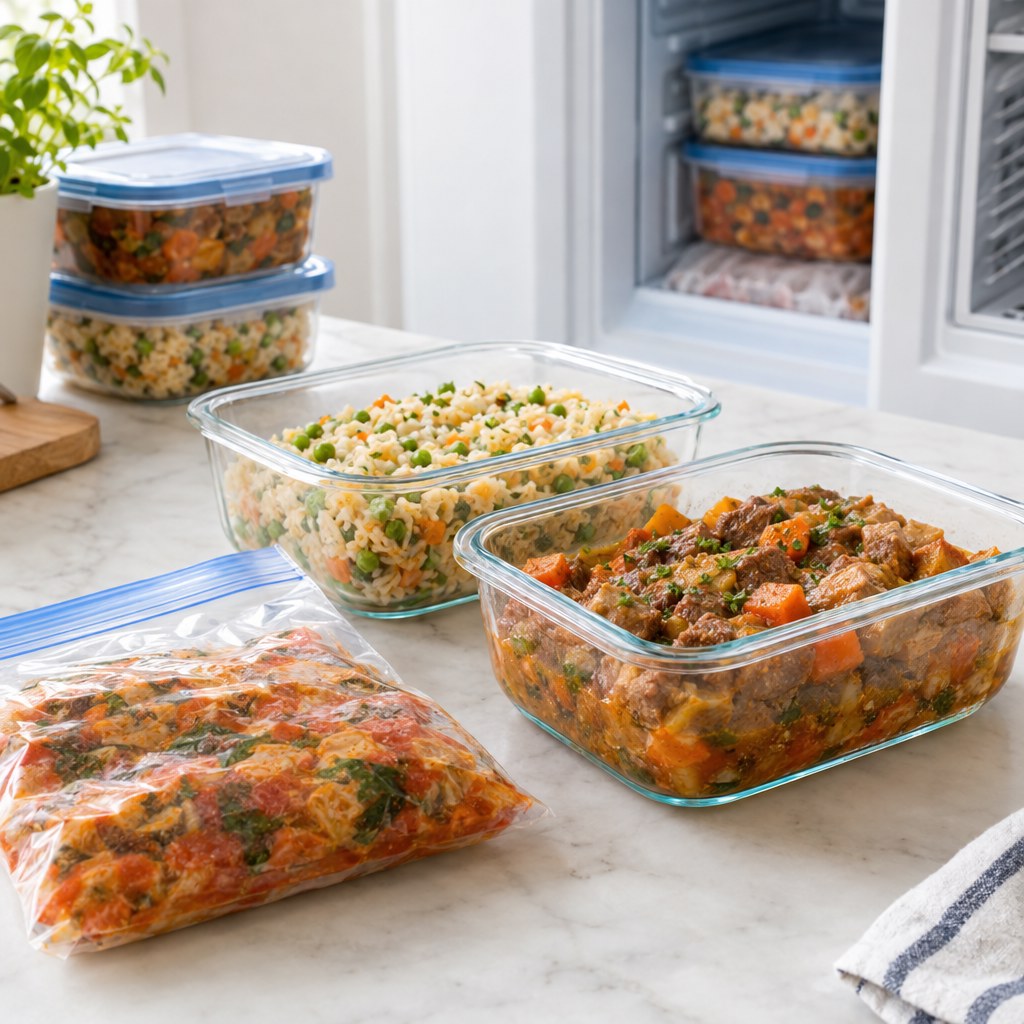
Prepare cooked meals for the freezer
Safe freezing begins before food reaches the freezer. After cooking, divide large quantities into shallow containers or smaller portions so heat can escape more quickly. Do not leave food sitting on the counter for an extended period while you wait for it to become completely cold. Cool it promptly, then refrigerate it until it is thoroughly chilled before freezing.
Avoid placing a large, steaming pot directly into a crowded freezer. It can warm nearby food and take too long to freeze in the centre. Instead, split the meal into several shallow containers, or set the pot in a sink of cold water while stirring occasionally. Keep water out of the food and transfer it to clean containers once cooled.
Split the batch
Divide a large casserole, soup, or tray bake into portions while it is still easy to handle. Smaller containers cool and freeze more efficiently.
Use clean containers
Choose food-safe containers, bags, or trays intended for freezing. Check that lids, seals, and labels are clean and dry before filling them.
Freeze at your pace
Only prepare the amount you can cool, package, label, and place in the freezer promptly. An oversized batch can create unnecessary handling delays.
Choose portions and packaging that fit your routine
The best freezer container is not always the most durable or cheapest one. Choose packaging based on the meal, the available freezer space, and how you expect to use the food. Rigid containers protect delicate meals, while freezer bags save space for soups, sauces, and flat items. Glass can be useful when it is specifically designed for freezer use, but leave headspace because liquids expand as they freeze.
Portion for real occasions, not ideal ones. A single serving is useful for solo lunches; a family-size container works when everyone will eat the same meal. You may also benefit from freezing components separately. A container of cooked tomato sauce, a bag of rice, and portions of roasted vegetables offer more flexibility than one large mixed dish.
Leave a small amount of empty space at the top of containers holding liquids or sauce-heavy food. For bags, press out excess air before sealing without squeezing food through the closure. Less air reduces freezer burn, which appears as dry, discoloured areas and affects texture rather than making food automatically unsafe.
A repeatable freezing workflow
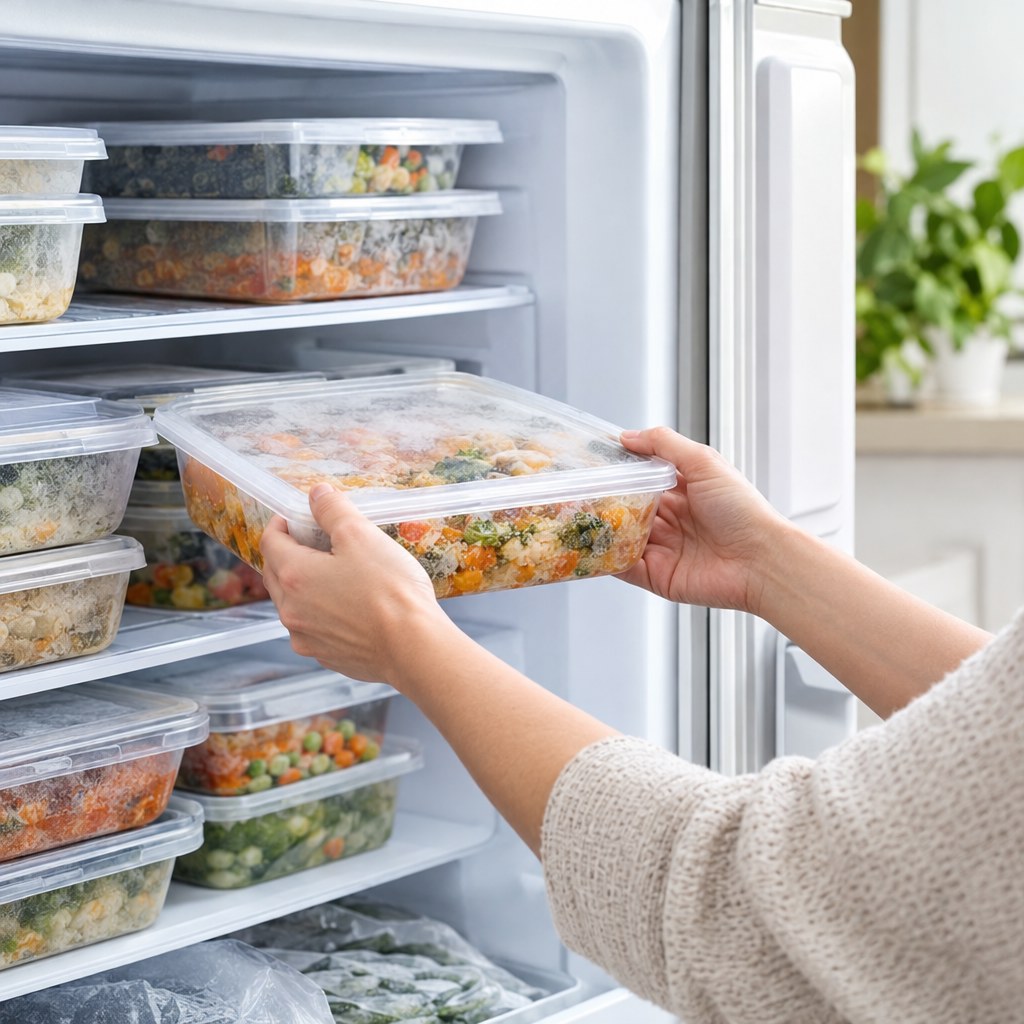
A simple workflow prevents the usual failure points: anonymous containers, oversized portions, poor seals, and meals left too long at the back of the freezer. Build the process into your cooking routine so it takes only a few extra minutes at the end of a batch.
- Plan the batch. Decide which portions you will eat now and which you will freeze. Set out the needed containers, bags, marker, and labels before serving.
- Cool promptly. Divide food into shallow portions and allow it to cool safely before transferring chilled portions to the freezer.
- Pack with headspace. Fill containers sensibly, remove excess air from bags, and check every lid or seal.
- Label every item. Write the meal name, the date prepared, the number of servings, and any useful reheating note such as “add water” or “finish in oven.”
- Freeze in a single layer. Keep newly packed items spread out where possible until frozen solid. Stack or file them later to save room.
- Rotate stock. Put newer meals behind older ones and review your freezer before the next meal-prep session.
A label should describe the food accurately enough that you can choose it without opening it. “Pasta” is not useful; “vegetable lasagne—2 servings—reheat covered” is. If several people share the freezer, agree on one label format and one designated area for ready-to-eat meals.
Reheating, quality, and food safety
For best results, thaw meals in the refrigerator when your schedule allows. This is especially helpful for thick casseroles and large portions, which thaw unevenly at room temperature. Some meals, including soups, sauces, and individual portions, can often be reheated from frozen if you use gentle heat and stir or turn the food as it warms.
Reheat cooked meals until they are steaming hot throughout. If you use a microwave, pause to stir sauces or rotate containers so cold spots do not remain in the centre. Add a small splash of water, stock, or sauce when reheating rice, pasta, or shredded meat. Covering the dish helps retain moisture.
Quality declines gradually in the freezer, even when food remains well packaged. Plan to use meals while they still taste their best rather than treating the freezer as long-term storage with no review date. If a meal has severe freezer burn, unexpected odour, damaged packaging, or you are unsure how it was handled, choose caution and discard it.
Common mistakes and recovery steps
Freezing a whole pot
A large container cools and freezes slowly, and it is awkward to thaw later. Recover by dividing future batches into shallow portions. If you already have a large frozen container, thaw it in the refrigerator and plan a shared meal rather than repeatedly warming and refreezing it.
Skipping labels
Unlabelled food becomes a guessing game and is often wasted. Start with a permanent marker stored beside your containers. If you find an unidentified item, do not rely on appearance alone when you are uncertain about its contents or handling history.
Using unsuitable containers
Thin bags can leak, and non-freezer-safe containers may crack. Place questionable bags inside a rigid container while thawing to contain leaks, then replace them with stronger packaging for future batches.
Expecting every dish to reheat perfectly
Texture changes are normal. Improve the finished meal by adding fresh herbs, a crisp topping, grated cheese, or a freshly cooked side. Treat the freezer as a tool for efficient meal foundations, not a promise that every element will remain identical.
A simple decision framework
Before freezing a cooked meal, ask 4 questions: Does it contain enough moisture to reheat well? Can you cool it promptly in smaller portions? Do you have packaging that seals properly? Will you recognise and use it soon? If the answer is yes to all 4, freeze it with a clear label.
When the answer is no, adapt the meal instead of forcing it. Freeze sauce separately from pasta, add fresh salad later, reduce a watery sauce before packing, or cook a smaller batch. This approach protects both meal quality and your freezer space.
Make your next batch easier to use
Choose one meal you already cook regularly, freeze 2 labelled portions, and review the result after reheating. That small test gives you a practical template for a more organised freezer.