A Walkable Weekend in Tallinn
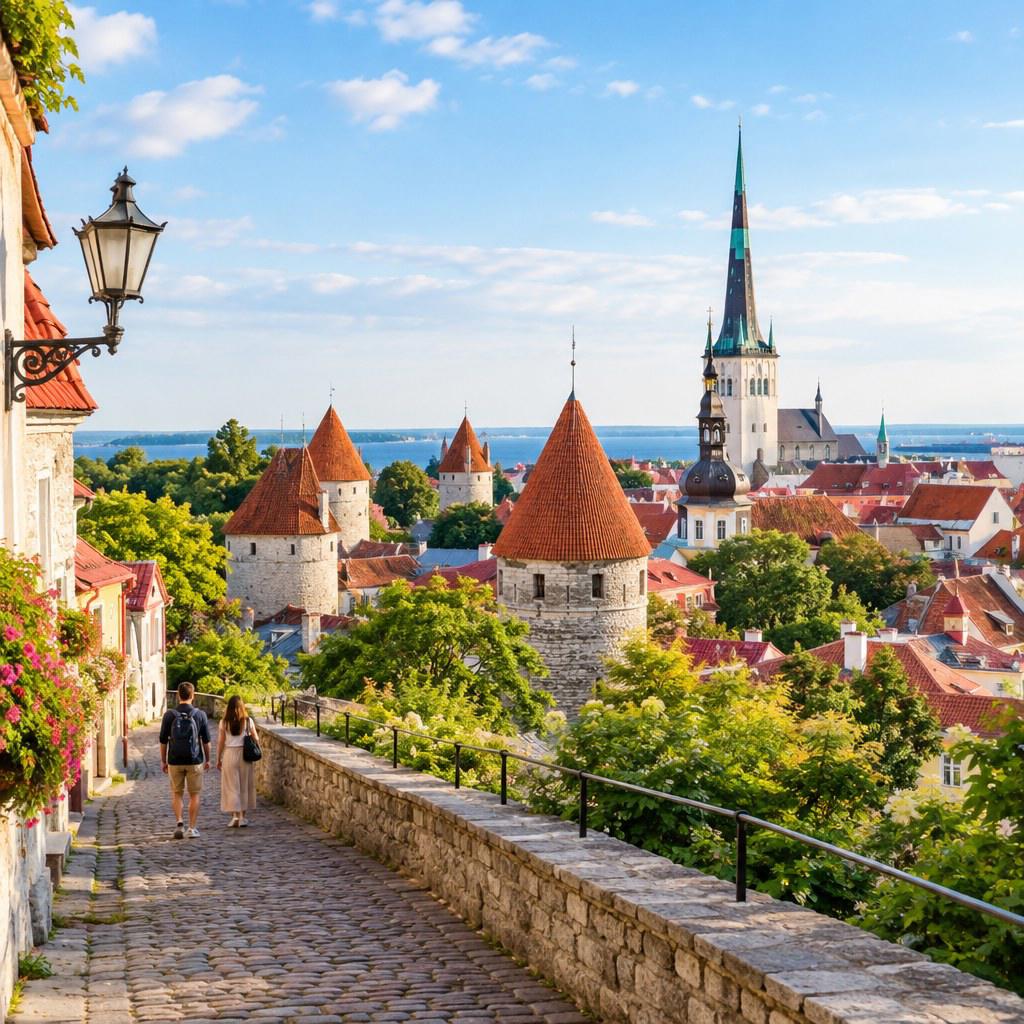
Tallinn is ideal for a weekend on foot: its historic centre, creative districts, waterfront, cafés, and viewpoints sit within a compact area. Plan by neighbourhood rather than crossing the city repeatedly: stay near the Old Town, give each day one direction, and allow for weather, cobblestones, and spontaneous stops.
This 2-day plan suits a short city break without relying on a car or tightly scheduled transport. Use it as a practical route, then adjust it to your arrival time and energy.
Plan the weekend before you arrive
Central Tallinn is compact, but walking is not always effortless. The Old Town has uneven cobbles, slopes, steps, and narrow passages. Walk as your main mode of travel, with public transport or taxis as useful fallbacks for airport trips, late evenings, poor weather, or mobility needs.
Choose your base for fewer transfers
For a first visit, stay in or near the Old Town, city-centre edge, or Rotermann quarter. These areas let you start early, return for a break, and go out for dinner without wasting time on transfers. For museums, cafés, and historic streets, location matters more than room size.
On a short work break, choose reliable Wi-Fi and breakfast, but do not overpay attention to a distant business district. A central base usually gives you more usable leisure time.
Pack for surfaces, not just the forecast
- Wear shoes with grip and support for cobbles, hills, and wet streets.
- Bring a light waterproof layer; coastal weather changes quickly.
- Use a small day bag for water, a charging cable, and an extra layer.
- Keep your plan flexible if snow, ice, strong wind, or heavy rain is expected.
- Check opening hours directly with venues before building a day around them.
💡 Practical tip: Treat your hotel as part of the route. A central base makes a short post-lunch rest easy and can improve your evening walk and dinner.
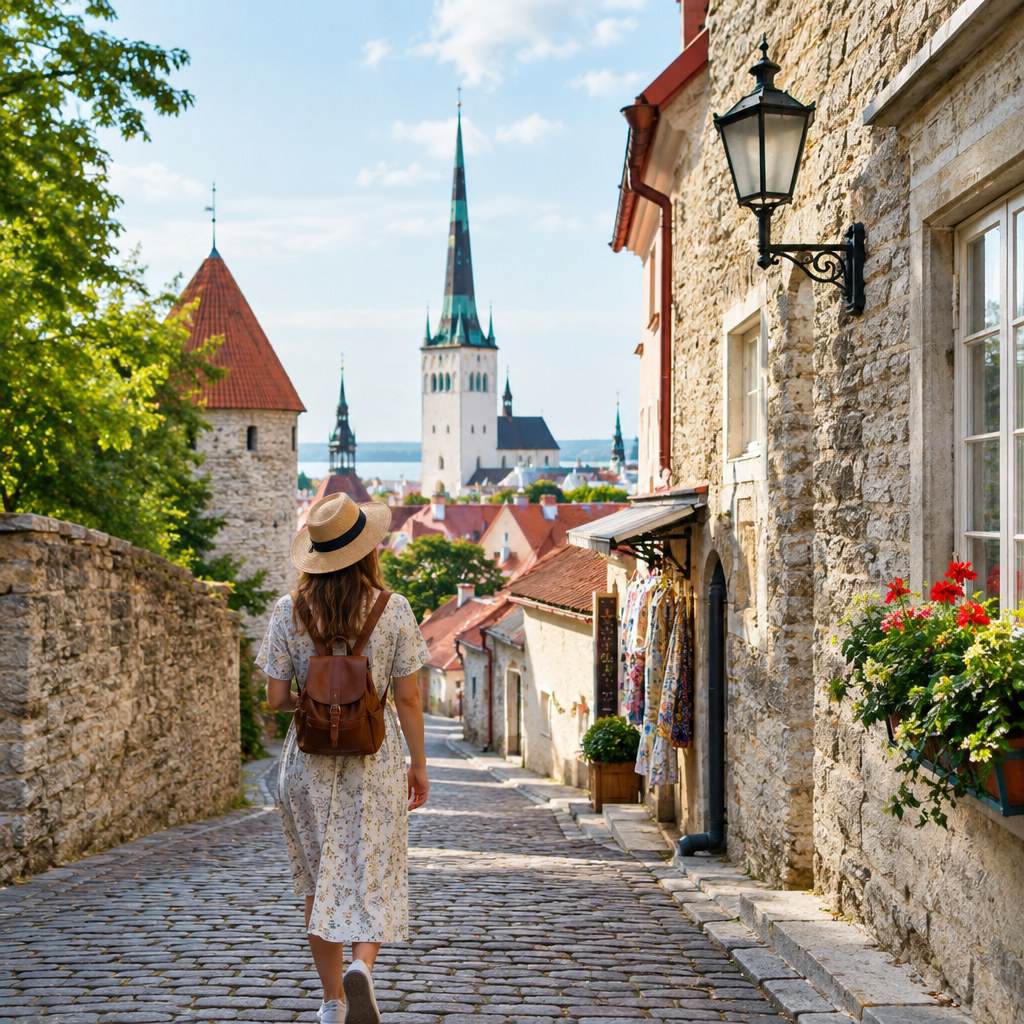
Day 1: Old Town, viewpoints, and a slower evening
Use day 1 to understand Tallinn’s layout. The Old Town is the natural starting point: streets, squares, churches, walls, and viewpoints offer a concentrated introduction. Begin early, before the busiest period, and leave time to wander.
Morning: start around the lower town
Begin around the main square and surrounding lanes. This is an easy orientation walk, with merchant houses, courtyards, busy routes, and quieter side streets. Stop for coffee or breakfast before climbing.
Choose 1 or 2 indoor visits instead of stacking museums. Pick according to your interests—architecture, local history, art, or maritime life—and check tickets, exhibitions, and timed entry before leaving.
Afternoon: walk uphill for perspective
After lunch, head toward Toompea, the elevated historic centre. The climb is short but worth taking slowly. Its viewpoints show the relationship between the Old Town, newer city, harbour, and surrounding districts.
Rest after the uphill section, whether at a café, on a bench, or back at your accommodation. Then take another route downhill and explore streets missed in the morning.
Evening: keep the radius small
Stay within walking distance of your base. Reserve dinner if it matters, but do not make the evening depend on one venue. Leave time for a relaxed walk through lit streets or around the city-centre edge.
If you arrive late on Friday, take a short orientation walk that evening and begin the full Old Town route on Saturday. The plan follows geography rather than a rigid attraction list.
Day 2: Creative districts and the waterfront
Day 2 provides contrast. Start in former industrial and creative areas near the Old Town, then continue to the waterfront if conditions are favourable. It shows that Tallinn is more than its medieval core.
Morning: explore Telliskivi at an unhurried pace
Telliskivi Creative City works well for Sunday morning or a contemporary second day. Its industrial setting, independent shops, food, studios, and changing activity offer a different texture from the historic centre. It is also suited to a long breakfast or early lunch.
Do not plan every stop. Browse what is open, or set a simple limit: choose 1 cultural stop, 1 food stop, and 1 shop or design-focused stop, then continue walking.
Afternoon: choose between harbour views and a shorter city loop
Head toward the harbour and waterfront for a broader view of Tallinn’s connection to the Baltic Sea. Choose this route when visibility is good and wind is manageable. It is more exposed than the Old Town, so add layers before leaving sheltered streets.
In poor weather, replace the waterfront with an indoor attraction or a slower walk through Rotermann. Its restored industrial buildings and central position offer design, food, and city activity without a long exposed walk.
Before dinner, return to collect luggage or rest. If departing later that day, avoid a final cross-city detour; a short walk near your departure point is a better ending than rushing back.
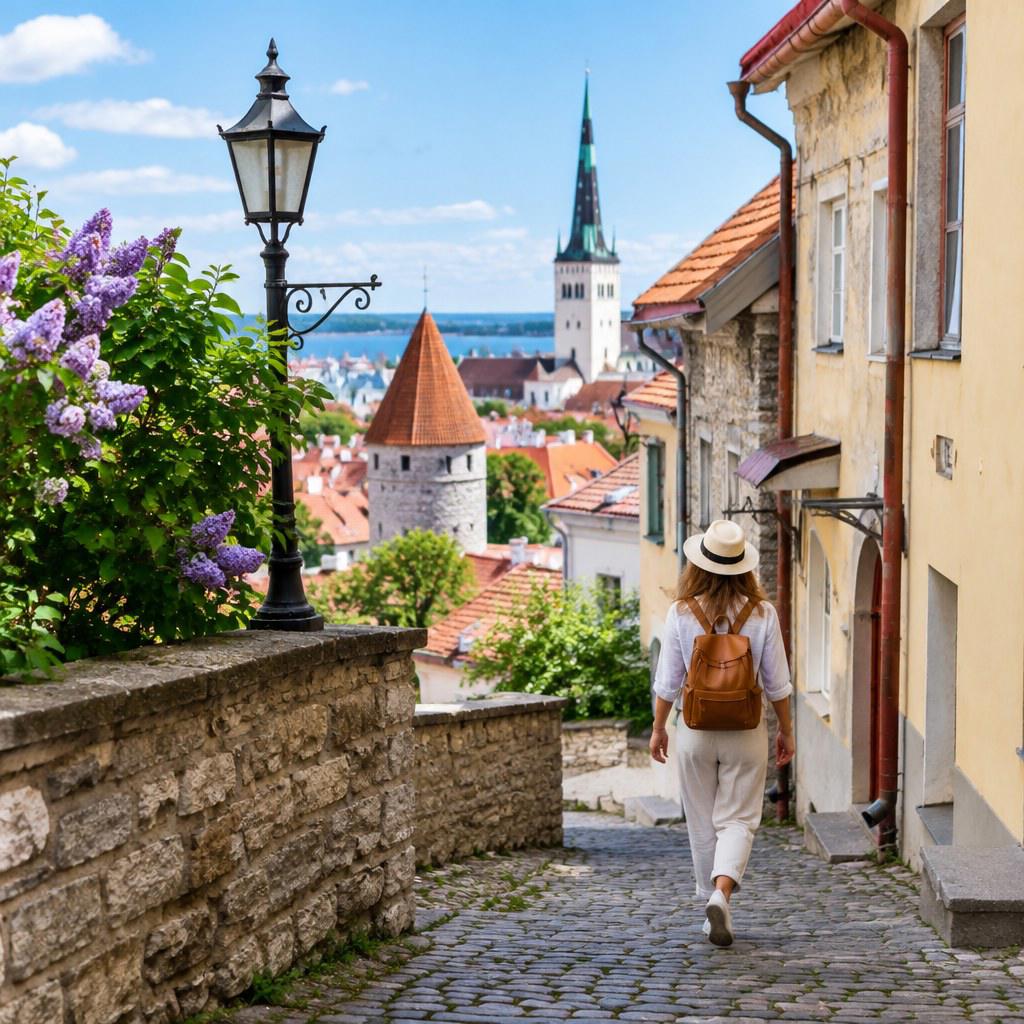
How to make the route work in practice
The best itinerary is not the longest. It leaves time for meals, weather changes, and places that catch your attention. Use this checklist before and during the weekend.
- Group stops by area. Put Old Town and Toompea together, then give creative districts and the waterfront a separate block.
- Choose 1 anchor activity per half-day. An anchor might be a museum, a viewpoint, a market, or a reserved meal. Everything else remains optional.
- Schedule a weather decision point. Check conditions after breakfast and again after lunch before committing to exposed routes.
- Protect meal time. Walking on uneven streets is more tiring when you postpone food and water.
- Keep a fallback nearby. Identify a café, museum, or shopping street near each outdoor section.
- End walks before fatigue dictates the route. You will see more by stopping while you are still comfortable than by forcing one final attraction.
Risks and mistakes to avoid
The main mistake is assuming a compact map means an easy day. Cobblestones, inclines, cold, and photo stops add time. Avoid booking so tightly that a delayed meal or sudden rain turns the day into a deadline.
Trying to cover too many districts
Do not combine the Old Town, a distant museum, waterfront, and creative district in one afternoon. You may reach them, but spend more time navigating than noticing the city. Drop the least important stop rather than shortening every stop.
Ignoring seasonal conditions
In dark, cold, or icy conditions, reduce outdoor ambitions and prioritise routes with indoor pauses. In warmer months, start earlier and use midday for a meal or museum. Check current weather and venue information.
Using the Old Town as a checklist
The Old Town rewards side streets and lingering. Moving only between named landmarks can miss its quieter character. Keep a rough route, but allow unstructured time.
A simple decision framework
Choose Tallinn for a walkable weekend if you want a compact historic core, older and newer neighbourhoods, and a relaxed city break. Pick a central base, make the Old Town your first-day anchor, and choose a creative district or waterfront route on day 2 according to the weather.
With only 1 full day, focus on the Old Town and Toompea, then add 1 nearby contemporary area in the evening. With 2 days, divide the itinerary by character: historic and elevated on day 1; creative, industrial, or coastal on day 2.
Build your weekend around 2 strong walking zones
Pick accommodation near the centre, verify opening times, and leave enough unscheduled time to follow the streets that interest you most.