20 Practical Home Decor Ideas for a Comfortable, Personal Space
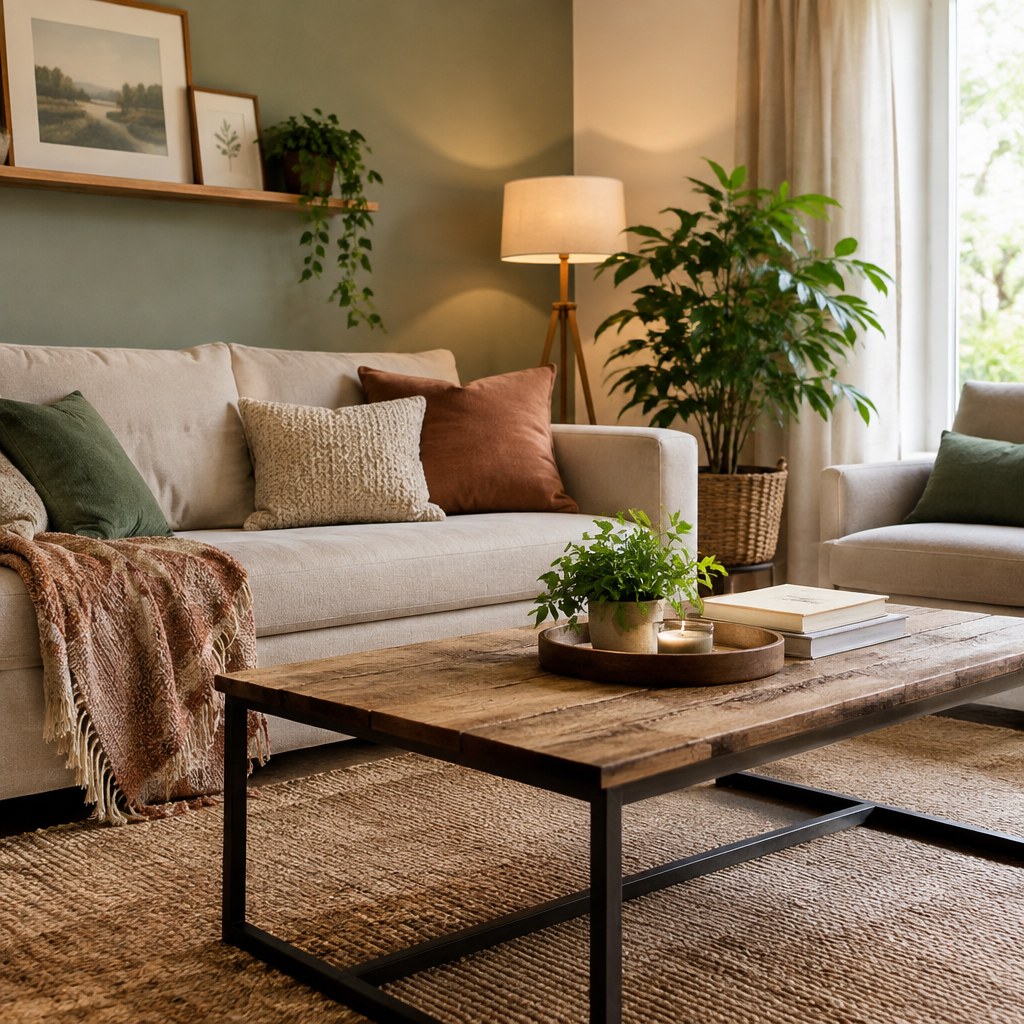
A good home does not need to match a showroom. It needs to support the way you live, fit the available space and feel like yours. These 20 home decor ideas focus on changes you can make deliberately—many without replacing furniture or taking on a major renovation.
On this page
Plan before buying anything
Take photos of the room from each doorway, measure the walls and large furniture, and list the activities that happen there. A living room used for television, remote work and children’s play needs a different layout from one used mainly for reading and conversation.
Set a total budget, then reserve part of it for unglamorous necessities such as curtain hardware, bulbs, picture hooks and furniture anchors. Start with changes that solve a problem. A lamp for a dark reading corner provides more value than a decorative item bought only because it is on sale.
Ideas 1–5: layout and foundation
1. Define the room’s main purpose
Choose one primary function and one or two secondary functions. Arrange the room around the activity that matters most. In a conversation-focused living room, seats should face one another comfortably; in a small studio, a bookcase or rug can visually separate sleeping and sitting areas without building a wall.
2. Make a quick floor plan
Draw the room on paper and mark doors, windows, radiators, vents and electrical outlets. Add the measurements of your largest pieces. Test layouts on paper before moving heavy furniture. Keep normal walking routes clear and avoid blocking heat sources or ventilation.
3. Choose one focal point
A focal point gives the eye somewhere to settle. It might be a window, fireplace, artwork, bookcase or media unit. Arrange the strongest visual elements around it rather than asking several large pieces to compete. If the room has no obvious feature, create one with a large framed print or a group of smaller pieces.
4. Edit the room before adding more
Temporarily remove items that are broken, unused or visually distracting. You do not have to adopt a minimalist style; the aim is to see what the room needs. Move useful items to better locations and donate, sell or store only what you can do without safely.
5. Reuse furniture in a new role
A sturdy sideboard can become an entryway storage unit, and a small dining chair can serve as an occasional bedside table. Check stability and weight limits before changing a piece’s purpose. Painting or replacing handles can refresh solid furniture, but repairs involving structure, electricity or fire safety should be left to someone qualified.
Ideas 6–10: light, color and texture
6. Layer your lighting
Combine general lighting with task lighting and a softer accent light. A ceiling fixture can illuminate the room, a floor lamp can support reading, and a small lamp can make a shelf or corner feel intentional. Use bulbs with similar color temperatures in the same area so the result feels cohesive.
7. Build a limited color palette
Choose a dominant neutral or quiet color, a supporting color and one accent. Repeat them in small ways across textiles, art and accessories. Test paint samples on more than one wall and view them in morning and evening light before committing to the whole room.
8. Place mirrors intentionally
A mirror can bounce daylight or reflect an attractive view, but it also repeats whatever faces it. Check the reflection from normal seating and standing positions. Secure heavy mirrors with hardware suitable for the wall construction rather than relying on a light picture hook.
9. Use the rug to connect the seating area
In a living room, a rug generally looks more connected when at least the front legs of the main seats rest on it. Mark the proposed size on the floor with removable painter’s tape before ordering. Add a suitable non-slip pad where needed and keep rug edges away from door swings and busy walkways.
10. Add texture through washable textiles
Cushion covers, throws, bedding and curtains can change the mood without replacing large furniture. Mix a few textures while repeating colors. In homes with children, pets or allergies, removable, washable covers may be more useful than delicate fabrics that create extra maintenance.
Ideas 11–15: personal and practical details
11. Hang art as a group
Relate art to the furniture below it instead of centering everything on the wall. Lay a gallery arrangement on the floor first, or cut paper templates and tape them to the wall. Use frames you already own, family photographs or work from local artists rather than filling every gap with generic prints.
12. Give collections clear boundaries
Collections look more intentional when grouped on one shelf, tray or wall instead of scattered across every surface. Leave some empty space around the display. Rotate pieces if showing everything at once creates clutter or makes cleaning difficult.
13. Match storage to the items you use
Open storage suits attractive objects you access often; closed storage hides visual noise and protects items from dust. Put everyday objects within easy reach and rarely used items higher or farther away. Label opaque containers when the contents are not obvious.
14. Create a small landing zone
Even a narrow entry can hold a tray for keys, a hook for a daily bag and a basket for accessories. Keep the route through the door clear. A washable mat helps contain dirt, while a mirror can provide a final check without taking floor space.
15. Use plants for color, not as air cleaners
Choose plants that suit the available light and the care you can provide. The US Environmental Protection Agency notes that a practical number of houseplants does not remove significant indoor pollutants compared with ventilation and source control. If you have pets, check the specific plant in a reliable toxicity database such as the ASPCA’s list before bringing it home.
Ideas 16–20: renters, pets and outdoor space
16. Choose reversible updates when renting
Freestanding lamps, rugs, curtains and removable covers can change a room without permanent alterations. Read the tenancy agreement and get written permission before painting, drilling, changing fixtures or applying products that may damage a finish. Keep original hardware in a labelled bag so it can be restored later.
17. Treat curtains as part of the architecture
Where the wall and fittings allow, placing the rod above and slightly wider than the window can make the opening feel larger and allow more glass to remain uncovered when curtains are open. Measure from the planned rod position, not only the window frame. Do not cover radiators, vents or safety devices.
18. Design a practical pet zone
Place a washable bed, feeding mat or scratching surface where the animal already prefers to spend time. Secure cords and breakable objects, and avoid decorative plants or scents that may be unsafe. A pet area can coordinate with the room without hiding what the animal needs.
19. Treat a balcony or patio as another room
Use furniture and lighting rated for outdoor conditions, maintain clear exits and follow building rules. A small table, weather-resistant cushion and container plant can make a compact balcony useful. Secure lightweight items where wind could carry them over an edge.
20. Finish with a safety check
Anchor tall or top-heavy furniture and televisions, especially where children may be present. The US Consumer Product Safety Commission recommends securing furniture with appropriate anti-tip hardware. Keep candles away from textiles, avoid overloaded sockets and route cords so they do not create trip hazards.
A simple room-by-room plan
- Choose one room: avoid starting five unfinished projects.
- Name the problem: for example, poor lighting, insufficient storage or an awkward layout.
- Measure and photograph: record the room before buying anything.
- Use what you own: remove, move and regroup existing pieces first.
- Buy one missing item: choose the change that solves the identified problem.
- Live with it for a week: adjust the layout before adding more.
This process protects the budget and helps the room develop around real needs rather than a temporary trend.
Safety checks worth keeping
- Use wall fixings suitable for the wall material and the object’s weight.
- Anchor dressers, bookcases and televisions that could tip.
- Keep exits, radiators, ventilation grilles and smoke alarms unobstructed.
- Follow electrical and product instructions; use qualified help for permanent wiring.
- Check plants and decorative products for risks to children and pets.
- Ventilate appropriately during painting or remodeling; EPA guidance emphasizes source control and ventilation for indoor air quality.
Sources
- US Consumer Product Safety Commission: Anchor It!
- US EPA: improving indoor air quality at home
- US EPA: houseplants and indoor air quality
- ASPCA: toxic and non-toxic plants for dogs
The most useful home decor ideas improve comfort, function or safety while still reflecting your taste. Start with one room, solve one real problem and let the space evolve instead of trying to finish it in a single shopping trip.