How Community Gardens Bring Neighbours Together
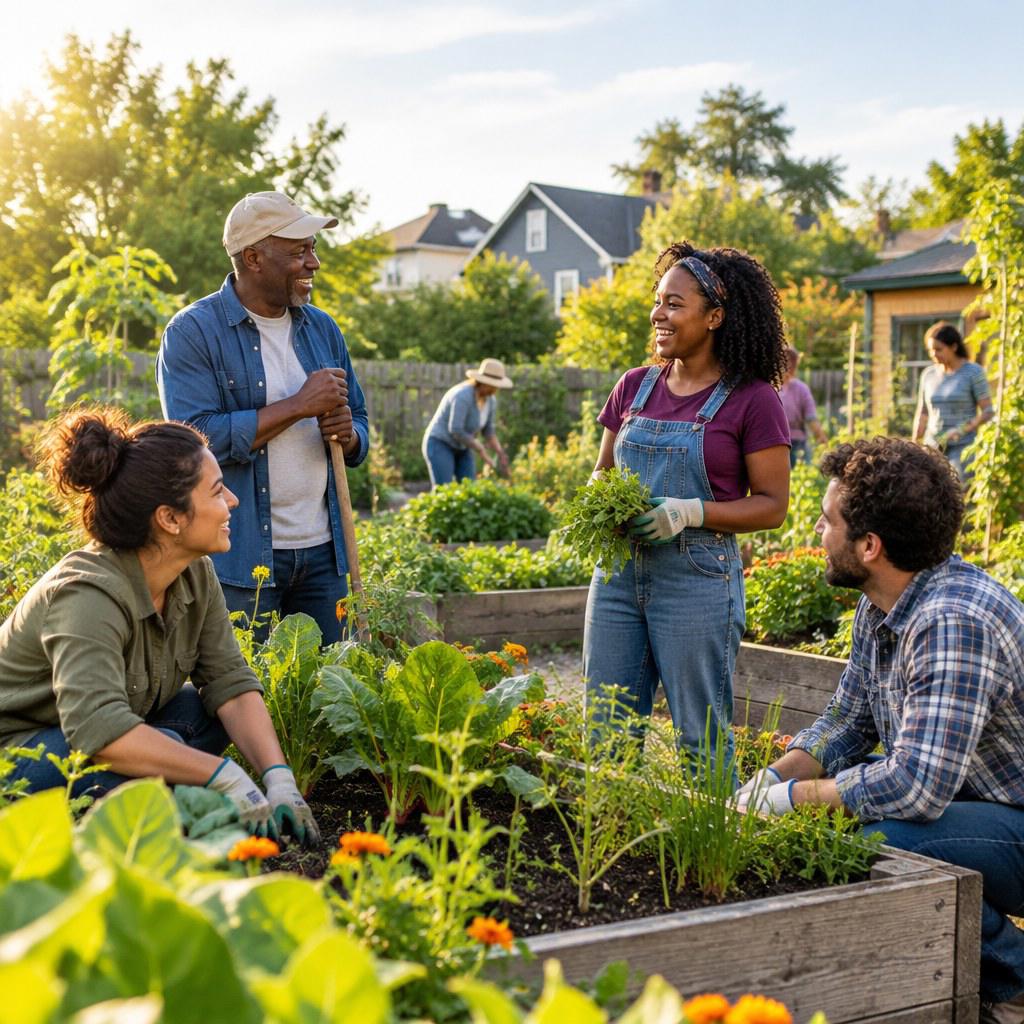
Community gardens bring neighbours together by giving people a shared place to solve practical problems: unused land, limited growing space, food waste, isolation and a lack of local contact. When a garden has clear rules, accessible tasks and regular communication, it can become a reliable setting for cooperation rather than simply a collection of planting beds.
For business owners, local organisers and property decision makers, the opportunity is broader than food growing. A well-run garden can support neighbourly trust, activate underused space and create visible reasons for people to contribute to their area.
Why shared gardens create connection
A community garden works because it gives neighbours a reason to meet that does not depend on formal introductions. People can arrive to water seedlings, turn compost, repair a bed or collect herbs, then begin a conversation around a useful task. The work is visible, seasonal and easy to understand, which lowers the barrier to joining in.
Unlike a one-off event, a garden creates repeated contact. The same people may see one another during planting, maintenance and harvesting. Over time, these small encounters help neighbours recognise names, share local knowledge and notice where help is needed. That familiarity can make a street, housing development, school or workplace feel more connected.
Shared purpose
Growing food, flowers or pollinator-friendly plants creates a clear goal. People do not need the same background or gardening skill to contribute to it.
Useful small tasks
Watering, weeding and tidying are manageable commitments. A neighbour can help for 10 minutes without taking on an ongoing leadership role.
Visible progress
A cleared plot, healthy plants or a harvest shows that shared effort matters. This gives participants a practical reason to return.
Gardens can also make participation more inclusive than meetings alone. Someone who is less comfortable speaking in a group may be happy to label plants, sweep paths or share seeds. Children can take part in simple supervised jobs, while experienced growers can offer advice without becoming gatekeepers.
Designing a garden people will use
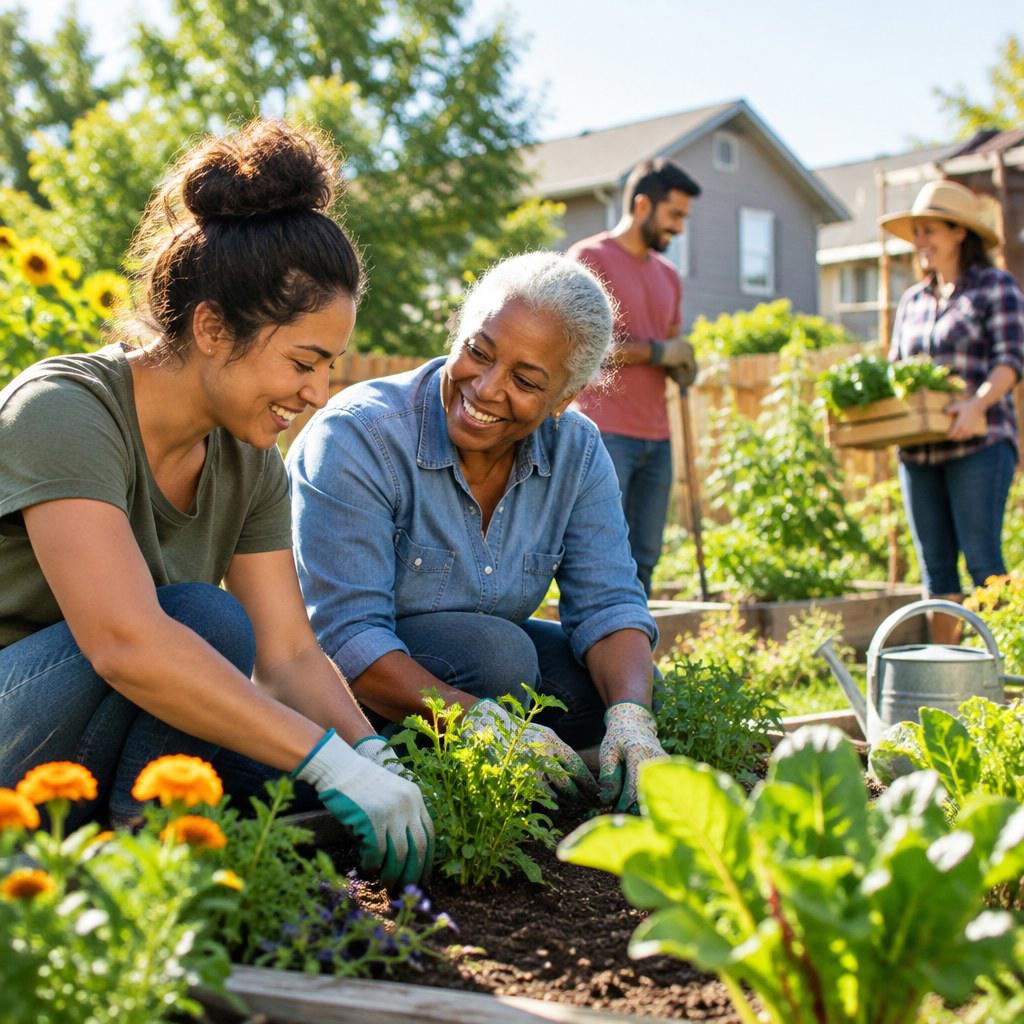
The strongest community gardens are designed for participation, not only appearance. Before choosing crops or building raised beds, define the people the space should serve and the type of involvement you can realistically support. A small, well-maintained garden is more valuable than an ambitious plot that quickly becomes neglected.
Make entry easy
Give newcomers obvious ways to help. A sign can explain who manages the garden, when people usually visit and which tasks are currently useful. Keep a small supply of basic tools available if appropriate, and label shared areas clearly. If access is restricted, explain how someone can request a key or join the group.
Consider physical access from the start. Paths should be stable enough for the site and free from avoidable obstructions. Raised beds, seating, shade and a water source can make the garden more usable for people with different mobility, energy levels and schedules. Check local requirements and the property owner’s conditions before installing structures or altering a site.
Mix individual ownership with shared responsibility
There is no single model. Individual plots can encourage commitment because each participant controls a defined space. Shared beds can work better where volunteer time is limited or where the aim is collective learning. Many gardens use both: personal plots for regular growers, plus communal beds, a herb area, composting space and seating for everyone.
💡 Tip: Start with a shared project that produces a quick, visible improvement, such as clearing a neglected corner, planting a herb bed or installing a noticeboard. Early progress helps people understand that the garden is active and welcoming.
Build a predictable rhythm
Regularity matters more than constant activity. Choose a recurring work session, even if attendance changes. Pair practical work with a simple social element such as tea, seed swapping or a harvest table. Publish dates in the places neighbours already check, including a building noticeboard, community newsletter or local group message.
Assign responsibility for essential jobs, especially watering and opening or locking the site. Shared enthusiasm is not a maintenance plan. A rota with named volunteers, backup contacts and clear expectations protects the garden during busy periods and holidays.
How to start a community garden
Start with a short planning process that tests demand and removes avoidable uncertainty. You do not need a complex programme, but you do need consent, a responsible group and a manageable first season.
- Identify a suitable site. Look for a location people can reach easily, with reasonable daylight, a practical water plan and clear ownership. Avoid assuming that vacant land is available; ask the owner or relevant authority for written permission.
- Listen before designing. Speak with nearby residents, tenants, staff or local groups. Ask what they would use, when they could help and what concerns they have. This helps you avoid building a garden that reflects only the organiser’s preferences.
- Set a simple purpose. Decide whether the priority is food growing, habitat, education, beautification, social connection or a mixture. Your purpose guides decisions about beds, tools, events and membership.
- Form a small coordinating group. Share tasks such as communication, site checks, volunteer rotas, finance and supplies. Do not leave all decisions and labour with 1 enthusiastic person.
- Agree practical rules. Cover access, tool storage, water use, composting, plot care, produce sharing and respectful behaviour. Keep rules short, visible and open to review after the first season.
- Build in stages. Begin with a limited number of beds or containers, basic signage and a gathering point. Expand only after you understand participation levels and the ongoing workload.
- Review after the first growing cycle. Ask what worked, what was difficult and which tasks were missed. Use that feedback to adjust the layout, rota and membership approach.
For example, if you are converting an unused area beside a business premises, you might begin with a few shared planters near a visible entrance rather than fencing and cultivating the entire space. This lets staff, customers or neighbours see the project, while allowing the organisers to test watering and maintenance arrangements first.
Risks, mistakes and recovery
Community gardens can create friction when expectations are unclear. The most common problems are not usually about plants; they involve access, workload, ownership of produce, noise, untidy areas and decisions made without consultation.
Starting too large
An oversized site can exhaust volunteers and make the project look unsuccessful when beds become overgrown. Recover by reducing the active growing area, covering unused soil appropriately for the season and concentrating effort on a smaller welcoming zone. Expansion should follow reliable participation, not optimistic forecasts.
Relying on informal agreements
Friendly verbal arrangements can break down when people move away or responsibilities change. Record permission to use the land, identify who holds keys or funds, and write down basic operating decisions. This is especially important when a garden sits on commercial, managed residential or public-facing property.
Allowing a few people to carry everything
Committed organisers are valuable, but burnout can stop a garden abruptly. Make jobs visible, divide them into small tasks and invite specific contributions. Instead of asking for “more help,” ask whether someone can water on a particular day, organise labels or check the compost bin.
Ignoring safety and site conditions
Check the site before growing food, particularly where past land use is uncertain. Ask relevant local professionals or authorities what checks, permissions or safety measures are appropriate for your location. Store tools securely, plan for waste removal and make sure the garden does not create avoidable trip hazards or obstruct access routes.
A simple decision framework
Choose a community garden when you have a suitable site, clear permission, a modest core group and a realistic way to manage ongoing tasks. Treat it as a shared local service rather than a landscaping project: its value comes from repeated use, clear stewardship and room for neighbours to shape it.
- Space: Is the site visible, reachable and practical to maintain?
- Permission: Do you have clear approval from the owner or responsible authority?
- People: Have nearby users expressed interest and identified ways they can contribute?
- Operations: Is there a plan for water, tools, waste, communication and seasonal care?
- Governance: Are responsibilities and simple rules written down?
Take the first practical step
Identify 1 possible site, speak with the people who would use it and arrange a short planning meeting. A small, agreed starting point is the best foundation for a garden that genuinely brings neighbours together.