How Foxes Adapt to Urban Environments
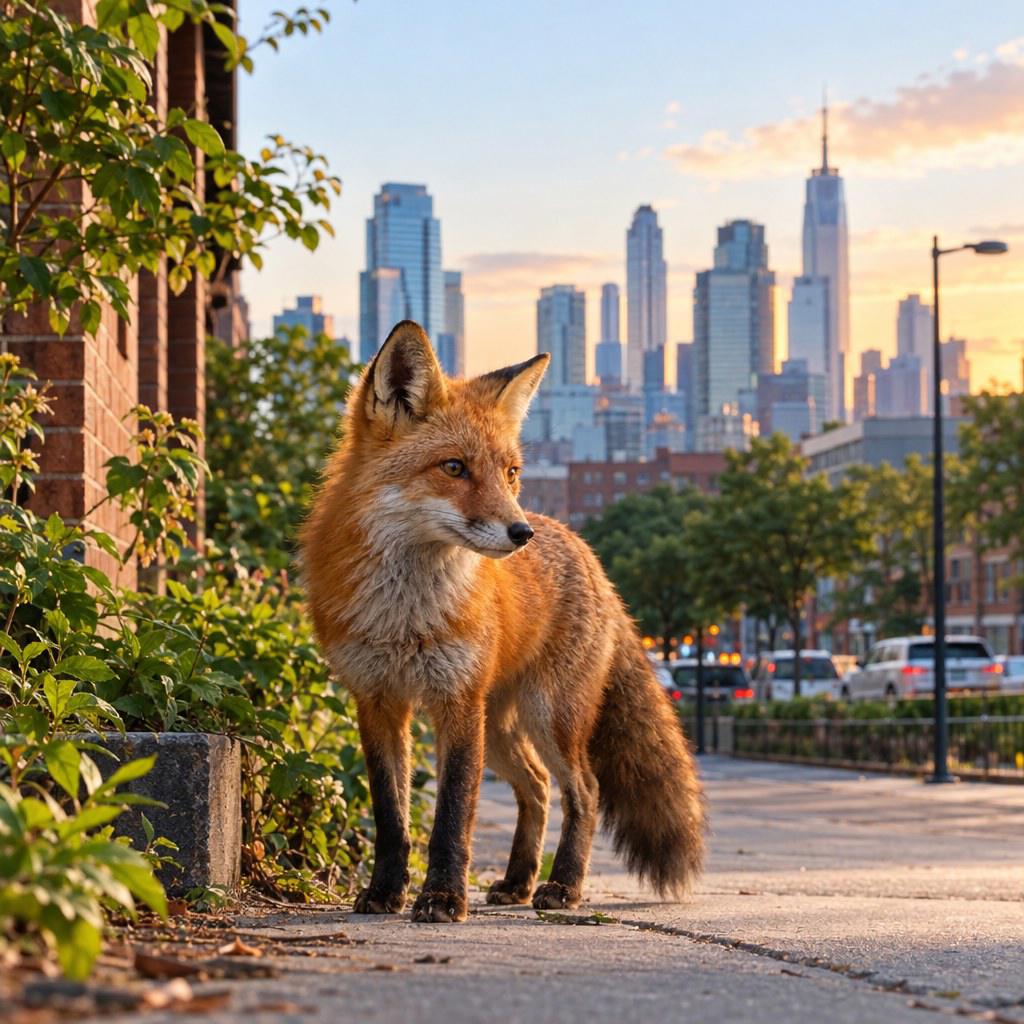
Urban foxes adapt by using the shelter, food opportunities, travel routes, and quieter hours that towns and cities provide. If fox activity affects your premises, you can reduce conflict without harming wildlife by managing waste, limiting access to sheltered spaces, and using a consistent site-response plan.
For business owners and property managers, the practical goal is not to eliminate every fox sighting. It is to prevent repeat access to food, protect staff and visitors, avoid damage around bins or landscaped areas, and know when a local wildlife or pest-management professional should be involved.
Why cities work for foxes
Foxes are highly adaptable generalists. Rather than depending on one food source or one type of habitat, they can use a varied diet and adjust their routines around people. A city can offer all the basic resources they need within a relatively small area: edible material, water, cover, and routes between patches of green space.
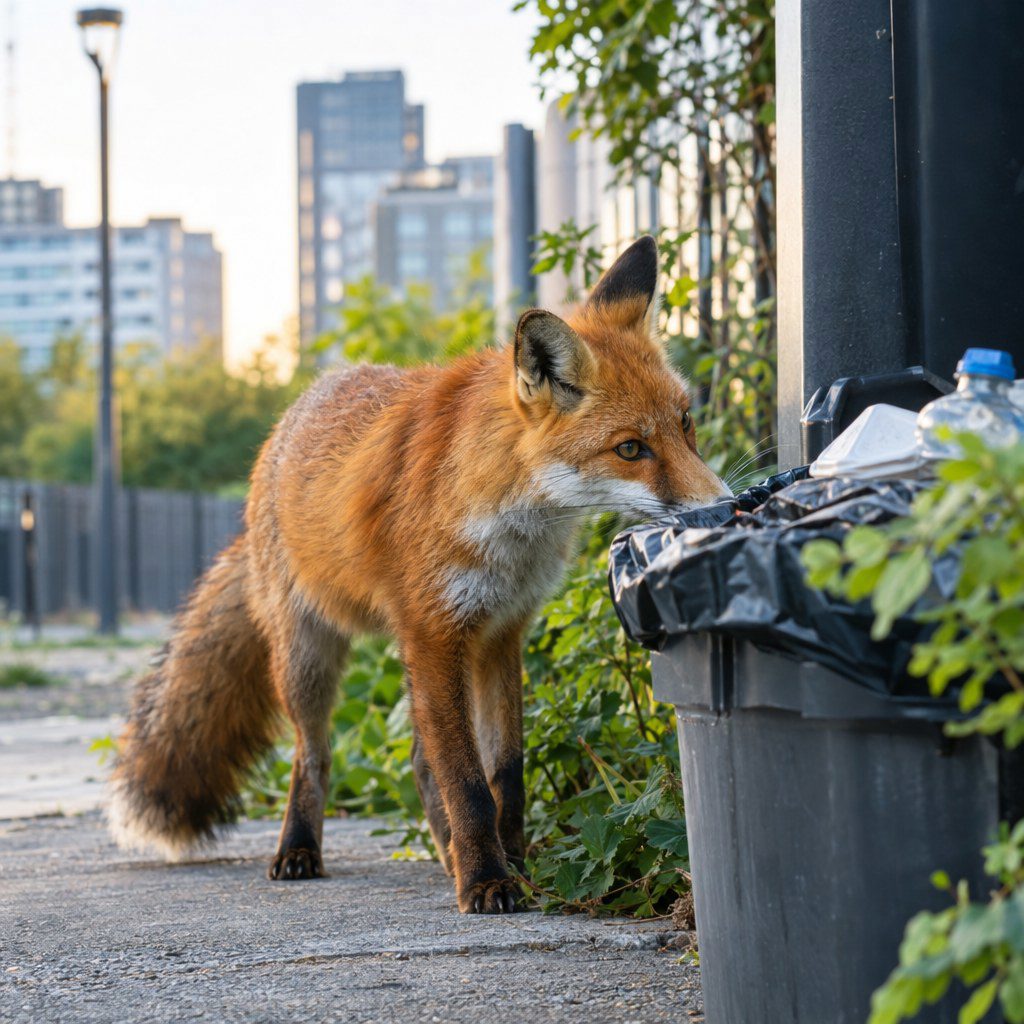
Food is often the strongest attraction. Overflowing commercial bins, unsecured household waste, dropped takeaway food, compost, pet food left outdoors, and fallen fruit can all create predictable feeding opportunities. Foxes may also hunt rodents and other small animals around gardens, storage areas, rail corridors, parks, and vacant land.
Built environments also contain shelter. A fox may rest beneath sheds, decks, portable buildings, dense shrubs, unused equipment, or gaps around outbuildings. During breeding periods, secluded spaces with limited disturbance can become especially important. This does not mean every sheltered corner will be used, but repeated food availability makes nearby cover more valuable.
Finally, urban areas are connected by corridors that people may overlook. Railway edges, drainage lines, hedgerows, alleyways, quiet service roads, and linked gardens can allow an animal to move while avoiding busy open areas. When you assess fox activity, look beyond the point where an animal was seen and consider the routes that lead to it.
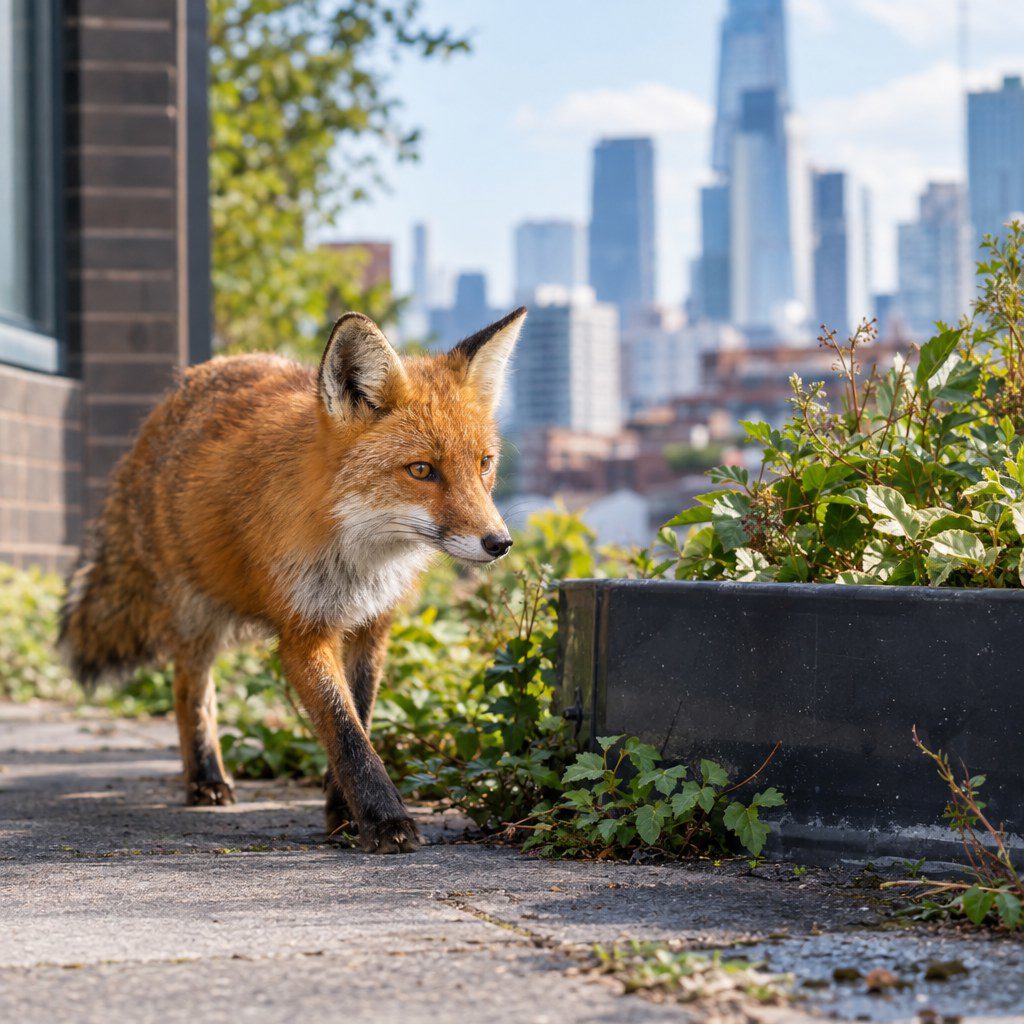
How foxes adapt to urban life
A fox’s success in a built-up area comes from a set of flexible behaviours rather than one unusual trait. Understanding these behaviours helps you choose controls that address the cause of a visit instead of reacting only to the sighting.
Flexible feeding behaviour
Foxes will investigate a wide range of available foods. They may hunt natural prey, eat fruit or invertebrates, or scavenge food waste. This flexibility means that removing only one obvious food source may not solve a problem if accessible refuse, bird feed, or pet bowls remain nearby. Your plan should remove several rewards at once.
Timing activity around disturbance
Urban foxes are often most noticeable during quieter periods, including evening and early morning, because traffic and footfall are lower. However, a fox seen in daylight is not automatically a sign of illness or aggression. It may be travelling, foraging, or responding to a local opportunity. Focus on its behaviour: an animal that keeps distance and moves away is different from one repeatedly approaching people for food.
Using small spaces efficiently
Foxes do not require a large wilderness area to rest or move through. A dense planting strip, a space under a storage unit, or an overgrown boundary can offer temporary cover. On commercial sites, inaccessible areas behind loading bays, compounds, and service yards deserve the same attention as obvious garden-style habitat.
Learning predictable routines
When food appears at the same place and time, foxes can return to check it. A bin that is left open after a late delivery, for example, can create a repeat pattern. The most effective prevention is therefore operational: make food waste secure every day, including weekends, holidays, and shift changes.
💡 Tip: Treat a fox visit as feedback about access. If an animal repeatedly returns, check what reward or shelter is still available before investing in deterrents.
How to make your property less attractive to foxes
You do not need to make a site hostile to wildlife. You need to remove the conditions that make one part of the site worth revisiting. Start with practical controls that improve cleanliness, safety, and pest prevention at the same time.
1. Secure food waste first
- Use bins with intact, close-fitting lids and close them immediately after use.
- Store bins in a secure enclosure where practical, especially overnight.
- Clean spilled food and liquid around bin areas rather than waiting for the next scheduled wash.
- Keep bags inside a container; do not leave them beside full bins.
- Review delivery, kitchen, and cleaning routines so responsibility is clear across all shifts.
2. Remove accidental feeding points
Ask staff not to feed foxes, even with harmless intentions. Feeding can reduce an animal’s caution around people and encourage it to wait near entrances, smoking areas, or outdoor seating. If your site includes staff accommodation, ensure outdoor pet food is brought inside after feeding and that bird-feeding practices do not leave edible spillages on the ground.
3. Check shelter and access points
Walk the property perimeter and note potential resting places. Look under raised structures, behind stored materials, around damaged fencing, in dense planting, and beneath temporary units. Do not seal an opening if you suspect an animal is inside or dependent young may be present. Instead, seek local professional advice on timing and humane exclusion methods.
4. Design grounds with maintenance in mind
Keep vegetation around service areas trimmed enough to allow inspection, while retaining appropriate planting elsewhere. Raise stored materials where feasible, clear neglected corners, and repair gaps that allow repeated access to restricted areas. These measures can also reduce harborage for rodents, which may otherwise attract hunting foxes.
A practical response plan for repeated sightings
A single fox crossing a car park may require no action beyond routine housekeeping. Repeated sightings near food, staff areas, or building access points call for a documented response. Use a short review period to identify patterns rather than relying on isolated reports.
- Record the observation. Note the date, approximate time, location, behaviour, and any obvious food or shelter nearby. Ask staff to avoid approaching or trying to photograph the animal at close range.
- Inspect the immediate area. Check bin lids, spillages, damaged fencing, open compost, stored materials, and animal access beneath structures. Correct simple faults immediately.
- Identify the pattern. Compare records over several days. A fox seen near one bin after closing time suggests a different remedy from one travelling across an undeveloped edge of the property.
- Apply controls consistently. Assign named responsibility for waste checks, gate closure, and grounds inspections. Inconsistent controls can teach an animal that food is still available occasionally.
- Escalate appropriately. Contact a qualified local wildlife professional, property specialist, or relevant local authority service if a fox appears trapped, injured, repeatedly enters an unsafe space, or shows unusually bold behaviour around people.
Before arranging exclusion or control work, check the rules that apply where your property is located. Wildlife protection, animal-welfare duties, permitted methods, and seasonal considerations can differ by jurisdiction. A reputable provider should explain the proposed method, timing, risks to dependent young, and how they will prevent re-entry once work is complete.
Risks and common mistakes to avoid
The biggest mistake is treating the fox as the entire problem. Where food waste or shelter remains available, removing one animal or chasing it away may simply leave the underlying attraction in place. Another fox may investigate the same resource later.
Do not rely on random deterrents
Noise makers, lights, scent products, or occasional staff intervention may have limited value when food remains accessible. They can also disturb neighbours, visitors, or other wildlife. Use deterrents only as a supporting measure after waste, access, and shelter have been addressed.
Do not corner, trap, or handle a fox yourself
A frightened wild animal may bite or scratch when cornered. Keep people and pets at a safe distance, provide an obvious escape route if an animal is confined in a yard, and obtain professional assistance when needed. If someone is bitten or scratched, follow your local public-health guidance promptly.
Do not seal suspected den sites without checks
Blocking access beneath a structure at the wrong time can cause avoidable animal-welfare problems and may lead to damage as an animal attempts to regain entry. Confirm whether the space is active and use a lawful, humane process suited to the season and location.
Do not communicate with alarmist language
Staff messaging should be calm and specific: do not feed foxes, secure waste, report damage or unusual behaviour, and avoid direct contact. Clear instructions reduce panic while ensuring genuine safety issues are reported quickly.
A simple decision framework
Use the level of impact to decide what happens next. If a fox is simply passing through and there is no damage, food access, or risky interaction, monitor and maintain normal site hygiene. If it repeatedly visits bins or sheltered spaces, improve waste security and inspect access points. If there is injury, entrapment, repeated bold approach behaviour, or a safety risk near operations, seek qualified local advice.
The durable solution is usually straightforward: remove food rewards, reduce access to concealment around sensitive areas, and keep routines consistent. This protects your premises while recognising that foxes are a normal part of many urban ecosystems.
Take the next practical step
Schedule a short site walk this week. Check waste areas, sheltered gaps, and staff practices, then assign ownership for the fixes you identify.