How to Explore Krakow Beyond the Main Square
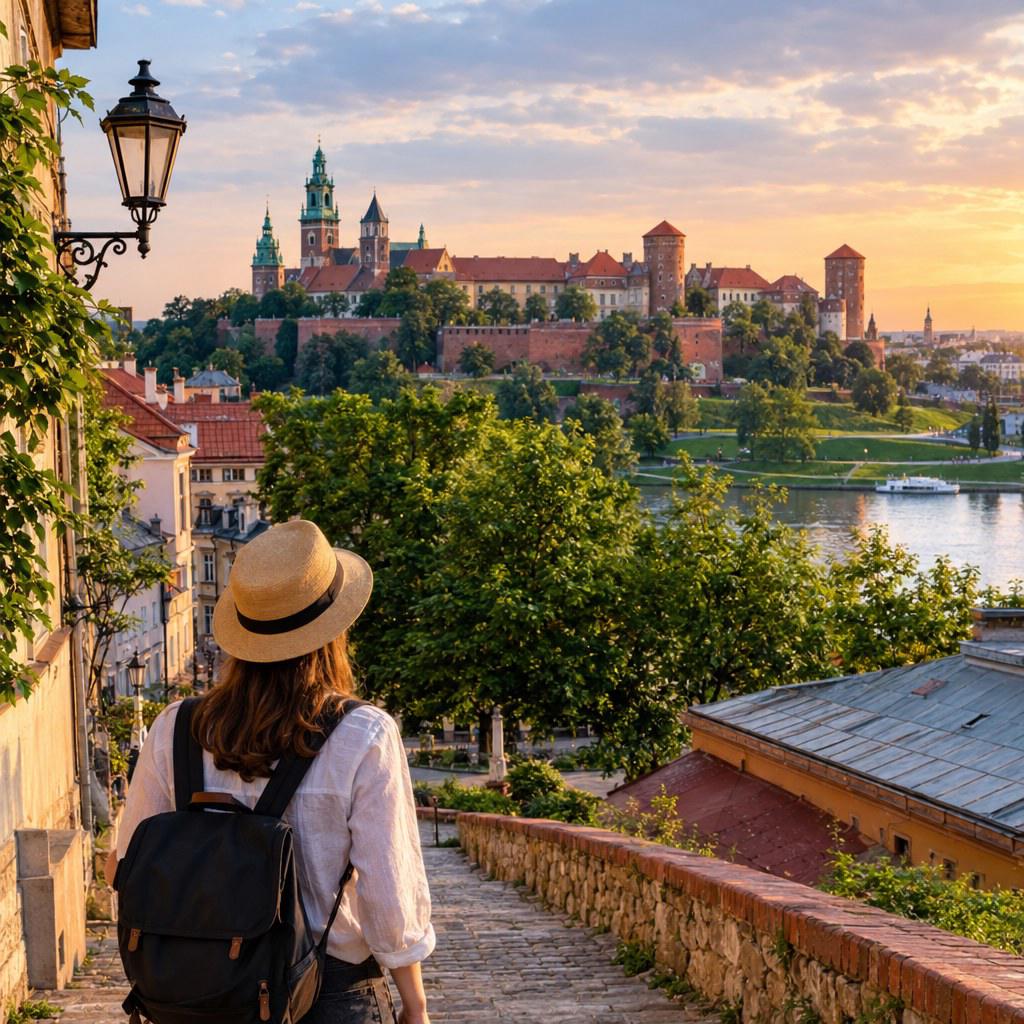
Krakow becomes far more manageable once you stop treating the Main Square as the destination and use it as a starting point. You can build a quieter, more revealing visit by choosing 1 or 2 neighbouring districts, travelling at a walking pace, and pairing landmark stops with ordinary places where local life continues.
The aim is not to avoid the Old Town completely. It is to move beyond its busiest streets with a practical plan: understand each area’s character, allow time for unplanned discoveries, and make transport, opening hours, and dining choices work together.
Why move beyond the Main Square?
Rynek Główny is useful for orientation, architecture, and first impressions, but it concentrates many visitors into a small area. When your entire itinerary stays there, you can spend more time navigating groups, comparing near-identical menus, and retracing the same streets than understanding Krakow’s different layers.
The city’s most rewarding contrasts sit outside that central loop. Kazimierz combines religious heritage, cafés, courtyards, and evening activity. Podgórze offers a different relationship to the Vistula, industrial history, and the former ghetto area. The university quarter, Planty park, Salwator, and the riverside each offer a quieter way to see how the city fits together.
For a business traveller or a visitor with limited free time, this approach is also more efficient. Instead of trying to “see Krakow” through a list of famous places, you can select an area that matches your available time, energy level, and interests. A well-chosen half-day can feel more substantial than rushing through several unrelated attractions.
💡 Tip: Treat the Main Square as a meeting point or a short morning stop. Then choose a direction and remain in that district long enough to notice its streets, parks, shops, and food culture.
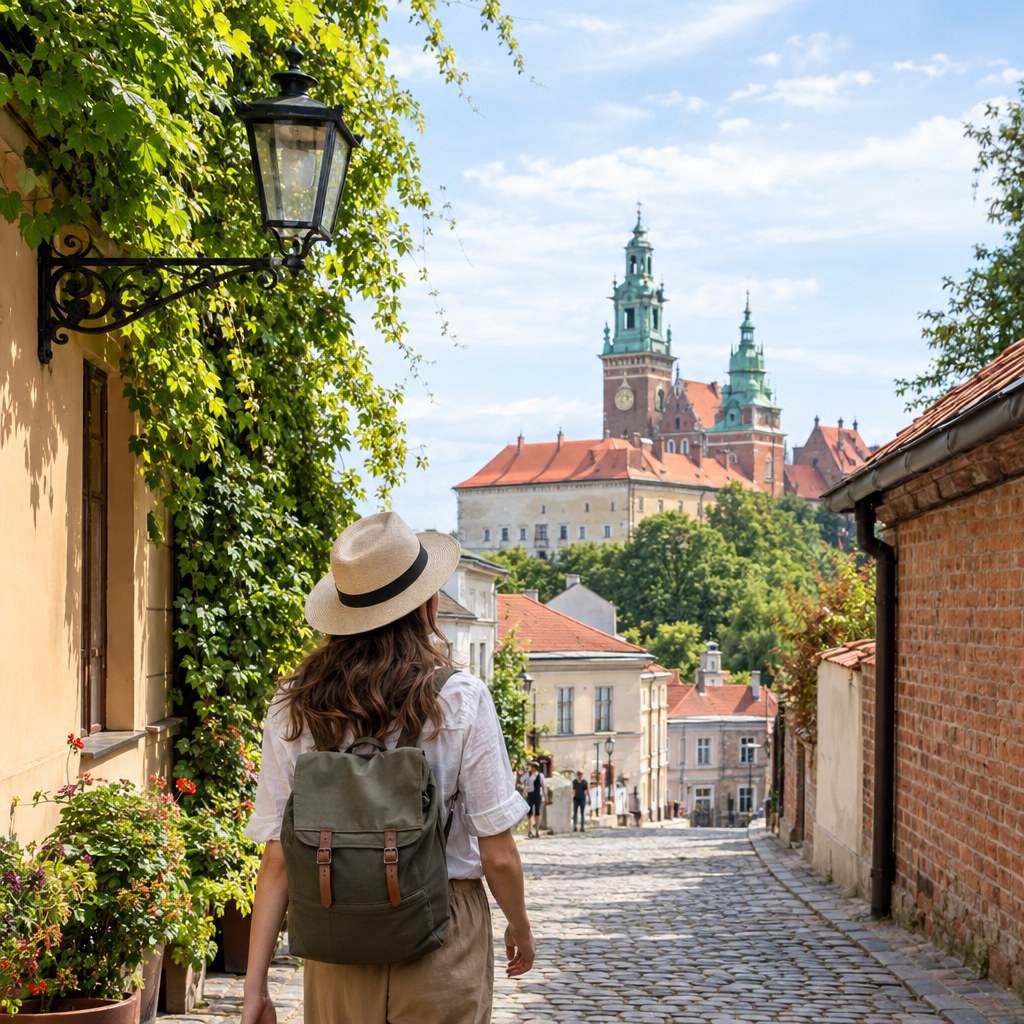
Choose districts by the experience you want
Start with a question: what would make the next few hours worthwhile? Your answer should determine the neighbourhood, rather than an attraction list copied from a generic itinerary. Krakow is compact enough for exploration, but not so small that every district belongs in the same afternoon.
Kazimierz for atmosphere
Choose Kazimierz if you want historic streets, synagogues, independent cafés, galleries, and a neighbourhood that works well on foot. Visit earlier if you prefer a calmer pace.
Podgórze for context
Choose Podgórze when you want space, riverside walking, and a more reflective historical route. Research museum and memorial opening arrangements before leaving.
Salwator for a reset
Choose Salwator or the riverside when you need a quieter break from meetings or sightseeing. The value here is walking, views, and a less compressed rhythm.
Pair areas that naturally connect
Kazimierz and Podgórze work well together because the river creates a clear transition rather than a complicated detour. You might begin with coffee and a heritage stop in Kazimierz, cross toward Podgórze, then finish by the Vistula. This gives your day a narrative: old commercial streets, memorial landscapes, and open water.
Another practical pairing is the Planty and the university quarter. This route suits a short gap between appointments because it requires little planning. You can walk through the park ring, notice the shift from tourist-facing streets to institutional buildings, and stop when time runs out without feeling that you abandoned a major excursion.
Build a realistic route instead of collecting pins
A route beyond the square should have a clear anchor, a sensible middle, and a flexible end. Pick 1 primary purpose: a museum, a food market, a historic walk, a riverside stroll, or an evening meal. Then add only a few supporting stops within the same area.
Use the 3-part route structure
- Anchor: Choose 1 place that matters to you and check its current entry rules, opening hours, and whether timed booking is needed.
- Neighbourhood walk: Reserve time to wander without a fixed destination. Walk 2 or 3 streets away from the most photographed route before deciding where to stop.
- Finish point: End at a café, restaurant, park, or tram stop that makes onward travel easy. A defined finish prevents a pleasant walk from becoming a tiring search for directions.
For example, if you have an afternoon free after a conference, avoid trying to fit Kazimierz, Podgórze, Wawel, and a museum into the same window. Select Kazimierz and Podgórze, set one historical site as the anchor, and keep the rest open. You will see less by count but retain more context.
Check public transport routes through official local information on the day of travel, especially if you rely on trams late in the evening or during a major event. Walking is often the simplest choice in central districts, yet weather, luggage, mobility needs, and timing can change that decision quickly.
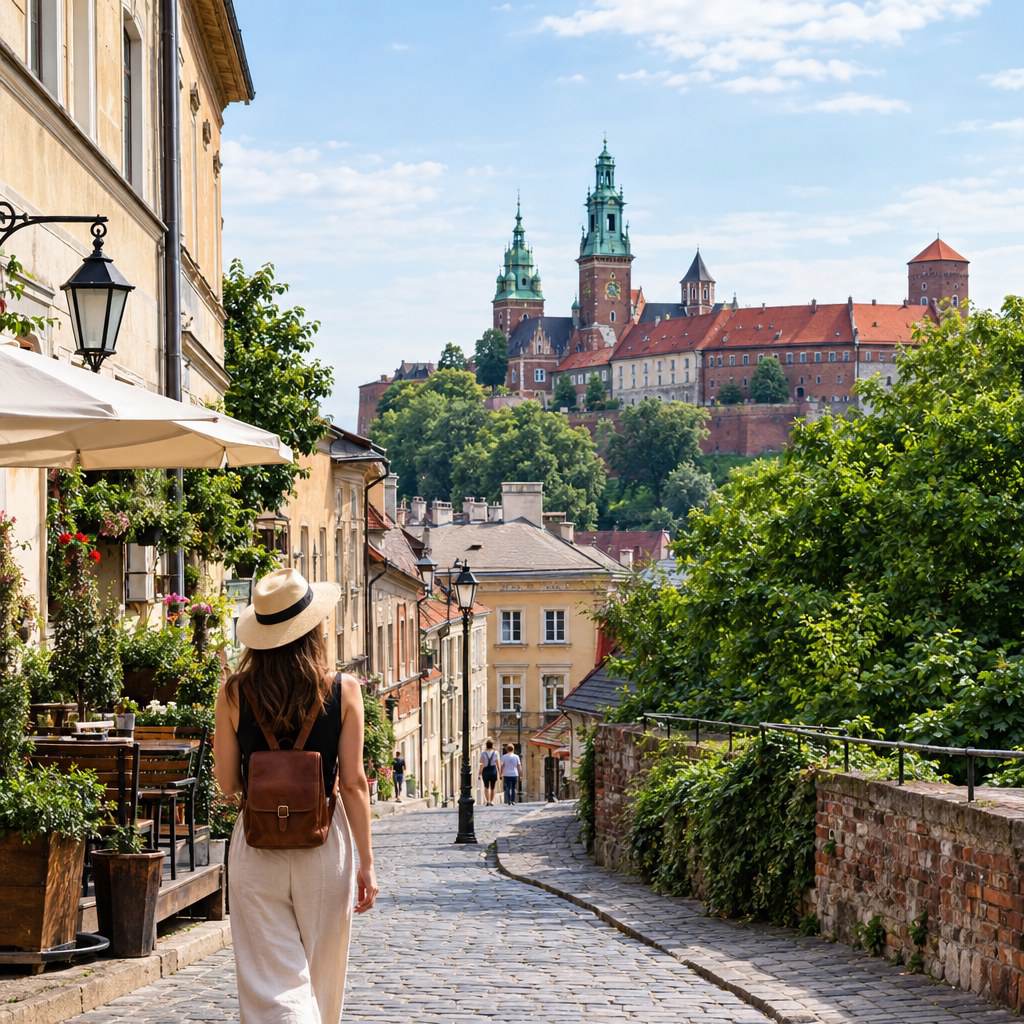
Practical checklist for exploring beyond the centre
Small decisions make a noticeable difference when you leave the most visitor-oriented streets. Use this checklist before you set out, particularly if your time is limited or you are coordinating with colleagues.
- Choose a district first and save only the places that fall naturally along the same route.
- Confirm opening times directly with the venue, including last-entry rules and temporary closures.
- Carry a payment method that works reliably for small purchases, but do not assume every independent venue has identical preferences.
- Wear shoes suitable for long walks on uneven paving and allow for rain or changing temperatures.
- Download an offline map or save your accommodation and meeting location before leaving Wi-Fi.
- Keep a small time buffer before a reservation, train, or business commitment; Krakow is walkable, but wrong turns still cost time.
- Make dining decisions by checking the menu, atmosphere, and current opening status rather than following a queue automatically.
Know when to use a guided visit
A guide can be worthwhile when you want historical context that is difficult to reconstruct from buildings alone, particularly in areas connected with Jewish heritage or the German occupation. Choose a provider carefully: look for a clear itinerary, transparent language options, group size information, and cancellation terms. A guided walk should deepen your understanding, not rush you from plaque to plaque.
If you prefer independence, read enough beforehand to understand the broad context, then leave room to observe. Memorial sites deserve time and a respectful pace. Avoid treating them as a quick background stop between entertainment venues.
Common mistakes and how to recover
Trying to cover every famous area in 1 day
This produces constant navigation and little sense of place. If you find yourself checking directions every few minutes, drop the furthest stop and stay where you are. Choose a nearby café, park, or side street and let the route become local again.
Assuming every neighbourhood has the same mood
Kazimierz can feel busy in the evening, while riverside paths may be quieter but less convenient when the weather turns. Decide whether you want activity, reflection, scenery, or a fast meal, then choose accordingly. A mismatch is not a failure; it is a reason to adjust your next stop.
Planning around restaurants without checking the basics
Opening days, kitchen hours, reservations, and dietary options can vary. If your first choice is unavailable, do not cross the city for a replacement. Look within the current district, inspect the menu, and set a time limit for searching.
⚡ Practical recovery rule: When a museum is closed, a booking falls through, or rain starts, replace the lost anchor with something nearby rather than rebuilding the whole day. A covered café, church, gallery, or tram ride can preserve momentum.
A simple decision framework
Use 3 questions to plan beyond Krakow’s Main Square: How much time do you have? What kind of experience do you want? How much structure do you need? Your answers create a route that is more useful than a standard list of attractions.
Start with 1 district, 1 anchor, and 1 flexible finish. That is enough structure to prevent wasted time and enough freedom to discover the Krakow that exists beyond its most famous square.
Make your next Krakow walk more intentional
Choose one neighbourhood before you leave, verify your essential stop, and give yourself permission to explore the streets between planned points.