How to Pack a Bag for an Unexpected Overnight Stay
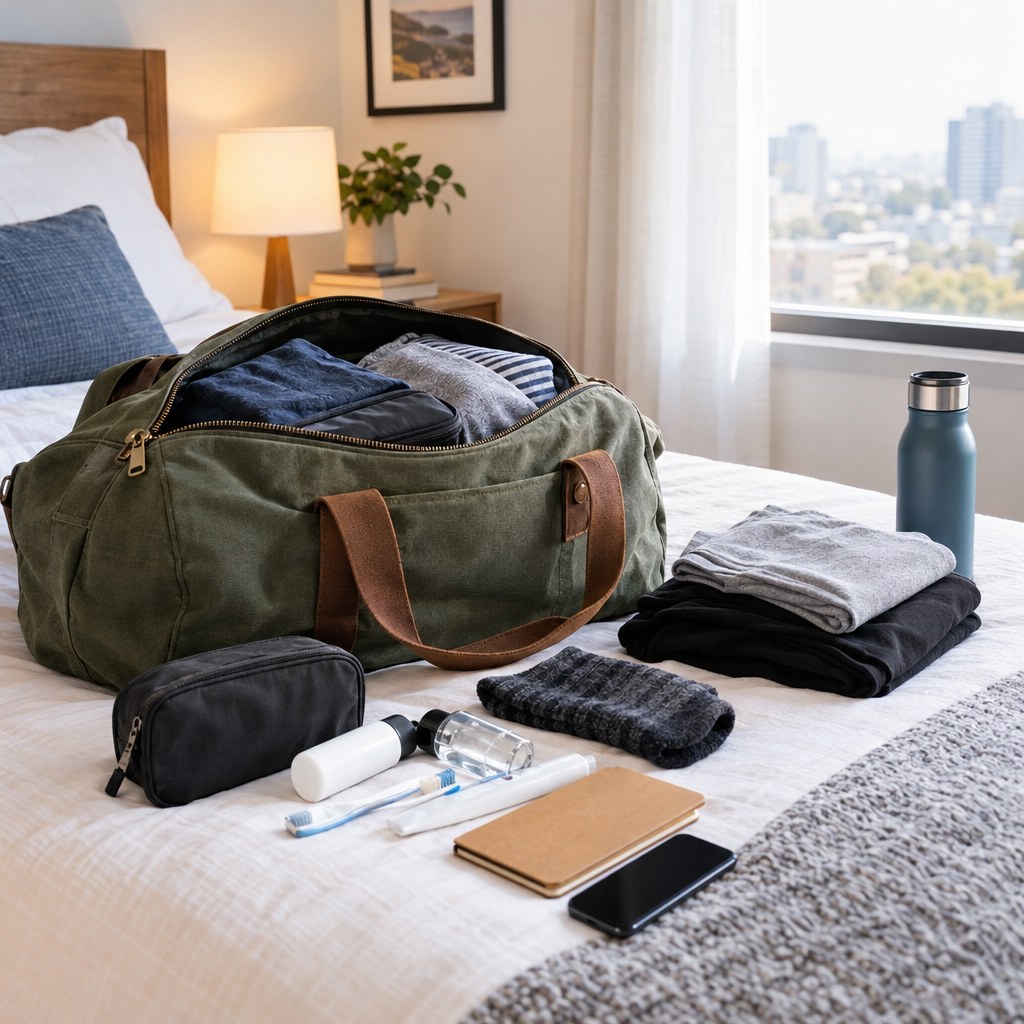
Pack for an unexpected overnight stay by keeping a small, adaptable bag ready with hygiene items, sleep essentials, a change of clothes, chargers, and key documents. The goal is not to prepare for every scenario; it is to remove the avoidable stress of spending a night away from home after a delayed trip, family emergency, weather disruption, late workday, or unplanned hospital visit.
A well-packed overnight bag saves time when your attention is elsewhere. It also helps you make calmer decisions: you can leave promptly, stay comfortable, and avoid buying duplicates of items you already own.
Choose a bag that works in more than 1 situation
The best emergency overnight bag is easy to carry, easy to locate, and small enough that you will actually keep it stocked. A compact backpack, soft duffel, or weekender bag usually works better than a suitcase because it can travel in a car, sit by a door, or fit beneath a desk.
Choose a bag with at least 2 compartments. One section should hold clothing and soft items. The other should hold toiletries, cables, and smaller essentials that can leak, tangle, or disappear at the bottom. A washable lining is useful, but not essential.
Think in terms of likely disruption
Your bag should reflect the situations you are most likely to face. If you travel for work, prioritize a charger, clean shirt, and basic grooming supplies. If you support children, older relatives, or a household member with ongoing needs, keep room for information, spare keys, and a few personal comfort items.
Do not build a survival bag unless that is genuinely your purpose. An unexpected overnight stay is usually about convenience, cleanliness, communication, and being presentable the next morning.
💡 Tip: Put the bag where you naturally exit the house, such as a hall cupboard, car boot, or home office. A perfectly packed bag is not useful if you cannot reach it quickly.
Build the core overnight kit
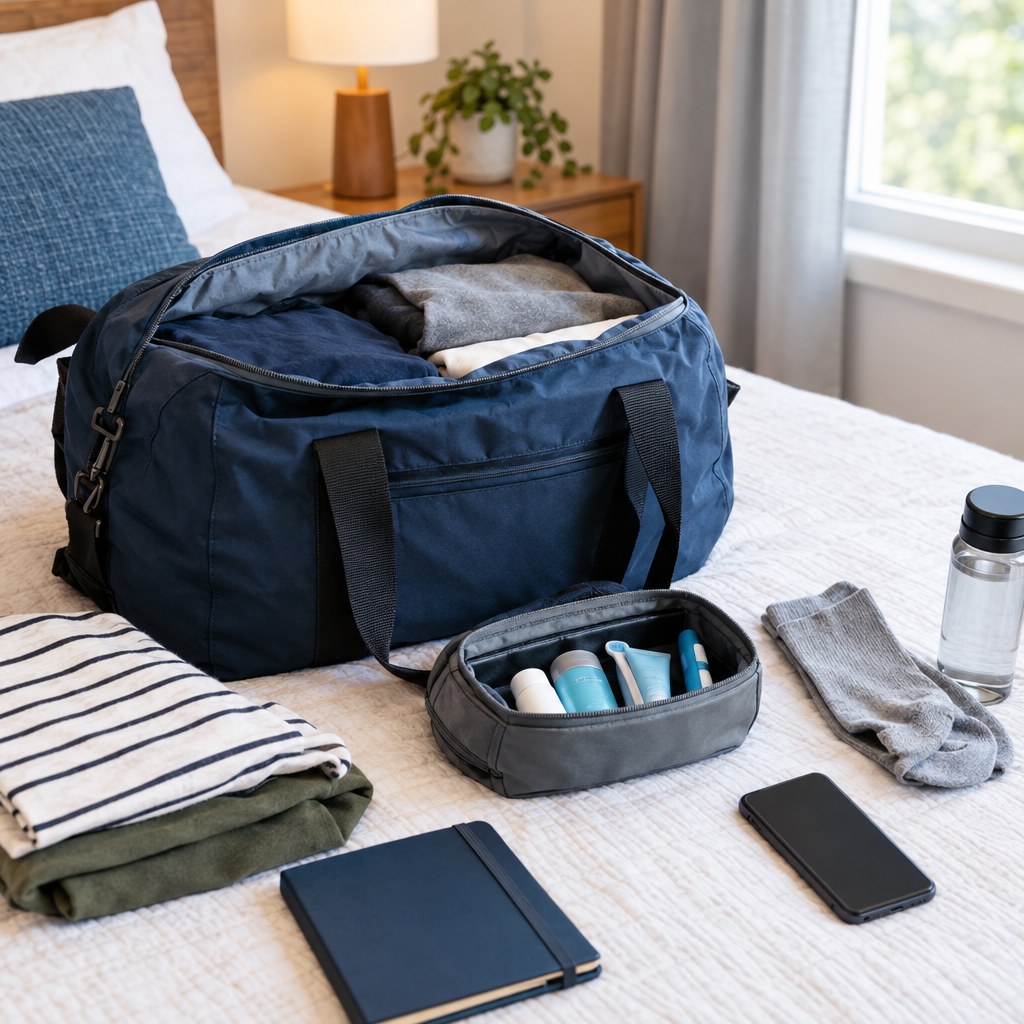
Start with items that solve the same problems wherever you sleep: personal hygiene, a comfortable night, communication, and a clean start the next day. Keep the contents intentionally ordinary. Familiar essentials are more useful than specialist gear you rarely use.
Hygiene basics
Pack a toothbrush, toothpaste, deodorant, tissues, travel soap, and any routine skin-care items. Use leakproof containers and place liquids in a washable pouch.
Clothes for tomorrow
Include underwear, socks, a clean top, and sleepwear. Select neutral, comfortable pieces that work for travel, home, or a casual workplace.
Power and access
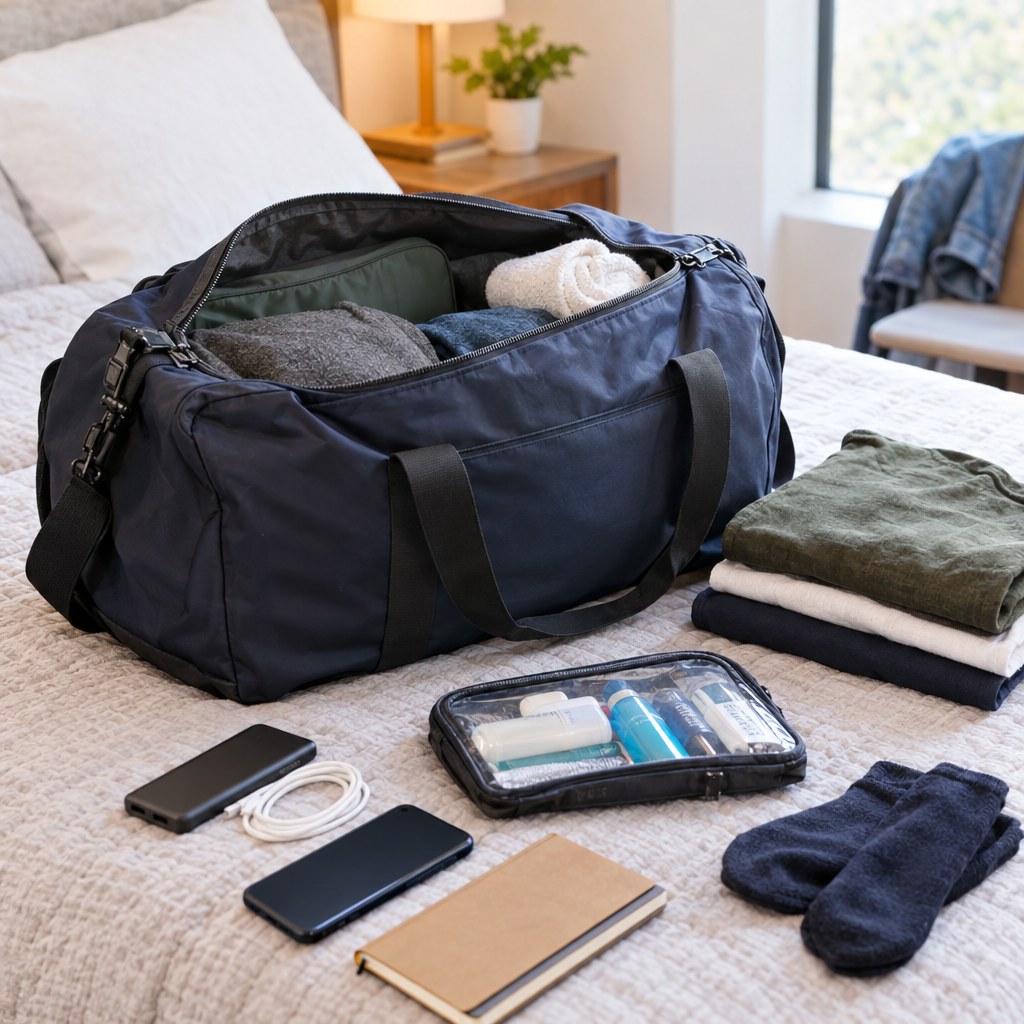
Keep a charging cable, plug, and power bank together in a small pouch. Add a spare pair of glasses or contact-lens supplies if you rely on them.
For medications, do not leave critical prescriptions permanently in a bag if you use them daily. Instead, keep a written reminder in the bag and add the medication when you leave. If you have a safely stored, in-date spare supply approved for your circumstances, check it regularly.
A small water bottle, snack, reusable tote, and compact umbrella can also earn their place. These are optional, but they can be useful when shops are closed or you are moving between locations.
Pack by priority, not by habit
Many people overpack because they begin with what they normally take on a planned trip. For an unplanned night away, use a simple priority order: items you need immediately, items you need before bed, and items you need the next morning.
1. Keep immediate items accessible
Place your phone cable, wallet, keys, identification, glasses, and medication reminder near the top or in an outside pocket. You may need these before you settle in, especially if you are arranging transport, checking into accommodation, or communicating with family.
2. Group bedtime items together
Put your toothbrush, sleepwear, earplugs, eye mask, and toiletries in one pouch. This creates a fast bedtime routine even if you are tired or staying somewhere unfamiliar. Earplugs and an eye mask are optional, but they take little space and can help in noisy or bright environments.
3. Protect the next morning
Fold the next day’s clothes together, including underwear and socks. If you might need to look professional, add a simple crease-resistant shirt or blouse. Avoid packing an outfit that requires special shoes, ironing, or accessories you are unlikely to have with you.
Adapt the bag to your likely needs
A basic bag should remain stable, but a few targeted additions make it more useful. Think about where you are likely to stay and what would create the biggest inconvenience if missing.
- For work travel or late meetings: add a notebook, pen, business-appropriate layer, and any required access card.
- For a hospital or family situation: add a long charging cable, water bottle, snack, sweater, and a small list of important phone numbers.
- For weather disruption: add warm socks, a lightweight rain layer, and a backup battery.
- For staying with friends or relatives: add slippers or clean indoor socks and a small thank-you item only if you already have one ready.
Keep sensitive information out of the bag when possible. If you need health, insurance, or workplace details, use a secure method you already rely on, such as a protected phone note or official app. Do not leave confidential paperwork in a vehicle or an unattended bag.
Avoid common packing mistakes
The most common problem is treating the bag as a storage bin. Over time, it fills with expired toiletries, unrelated receipts, loose cables, and clothing that no longer fits the season. That makes the bag heavier and less dependable exactly when you need it.
Do not pack too much clothing
One overnight stay usually requires one fresh outfit and one sleep outfit, not several alternatives. Extra clothing takes space that could be used for practical items such as a charger or toiletries. If your stay extends, you can reassess once you know the circumstances.
Do not forget the items you use every day
Some essentials cannot live permanently in the bag: your primary medication, work laptop, daily glasses, or house keys. Solve this with a departure checklist stored in the bag. Before you leave, scan the list and add the items you use daily.
Do not let the bag become stale
Review it at the change of season and after every use. Replace used toiletries, wash clothing, recharge the power bank, and remove anything that no longer serves a clear purpose. A short reset is easier than rebuilding the bag under pressure.
⚠️ Check: If your bag contains liquids, batteries, or medication, inspect them before travel and follow any relevant transport, storage, and safety instructions.
Use this unexpected overnight bag checklist
Use this list as a starting point, then remove items you would not realistically use. A lighter bag is more likely to stay ready and travel with you.
- Toothbrush, toothpaste, deodorant, tissues, and basic toiletries
- Sleepwear, underwear, socks, and a clean top for the next day
- Phone cable, plug, power bank, and headphones if useful
- Wallet, identification, keys, glasses, and any required access cards
- Medication reminder or safely managed spare supplies where appropriate
- Small pouch for liquids and another for cables
- Optional comfort items: earplugs, eye mask, snack, water bottle, and sweater
- A short “add before leaving” list for daily essentials
The decision framework is simple: pack what helps you communicate, sleep, wash, dress, and leave again the next day. If an item does not support one of those outcomes, it probably does not belong in your core bag.
Pack it once, then keep it ready
Set aside 20 minutes to assemble your bag today. Put it in an easy-to-reach place, add a reminder to review it seasonally, and you will be better prepared when plans change without warning.