How Volunteers Organize a Community Food Drive
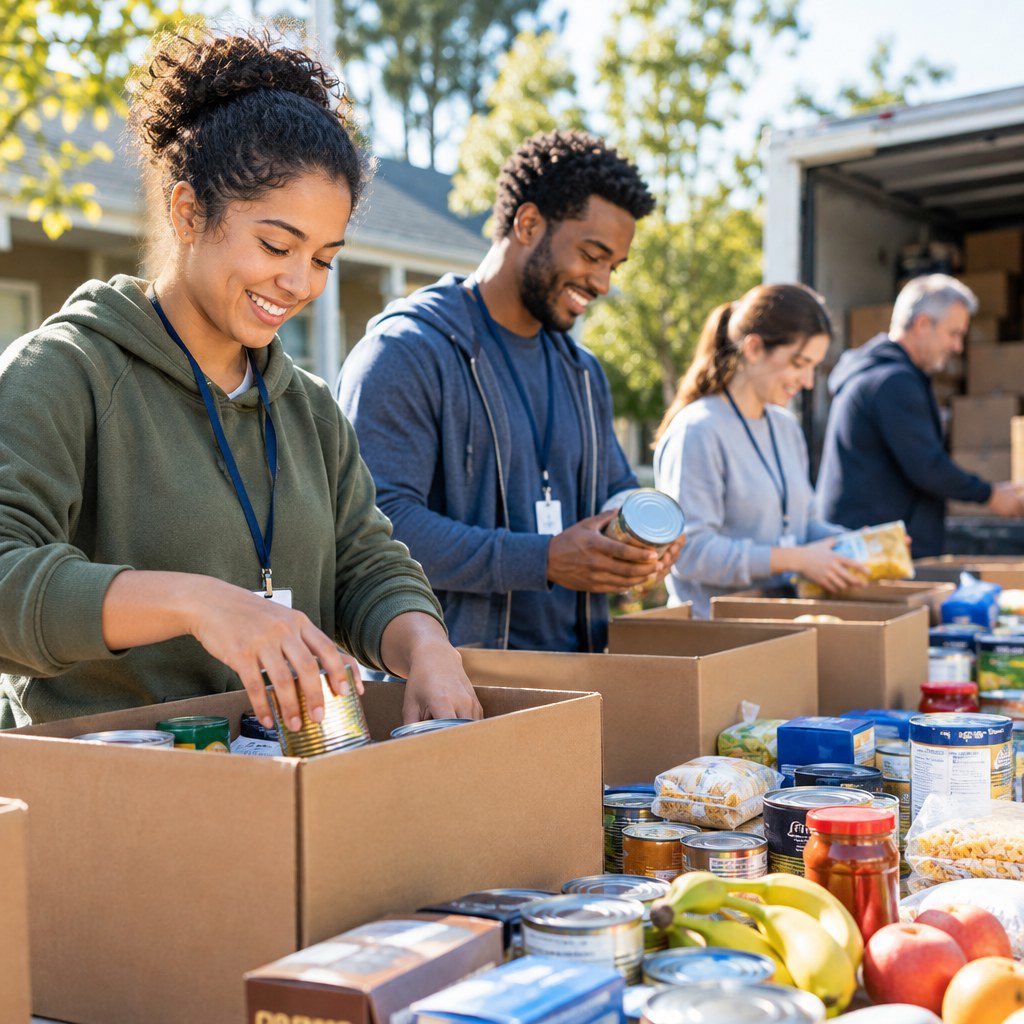
A community food drive works when volunteers turn goodwill into a simple operating plan: collect the right items, make donating easy, sort safely, and deliver everything to an organization that can distribute it. You can organize one without a large budget by setting a clear goal, assigning practical roles, and confirming the receiving partner’s needs before you ask the public to donate.
For business owners, community groups, schools, and neighborhood organizers, the challenge is rarely finding people who care. The harder part is coordinating collection points, communications, volunteer schedules, storage, and handoff without creating confusion or waste. This article gives you a practical structure you can adapt to a one-day collection, a workplace drive, or a multi-week local campaign.
Start with the receiving partner
The first decision is not where to place donation bins. It is where the food will go and what that organization can accept. Contact a local food bank, pantry, shelter, mutual-aid group, school support program, or faith-based distribution program before you announce the drive.
Ask whether the organization accepts food from public collections, which products it needs most, which items it cannot take, and when it can receive the delivery. Some groups may prefer financial contributions because they can buy specific products efficiently. Others may welcome shelf-stable groceries but have limited capacity for bulk donations, refrigerated items, or unsorted boxes.
Questions to confirm before launch
- Which food categories are currently most useful?
- Are unopened, shelf-stable products required?
- What date or condition limits apply to packaged food?
- Can you accept baby food, pet food, hygiene products, or household supplies?
- Does the partner need items sorted by category before delivery?
- What delivery days, hours, entrance, and contact person should you use?
- Will the organization provide bins, flyers, a wish list, or collection guidance?
💡 Tip: Use the partner’s own priority list in every poster and message. “Donate food” is broad; “Donate shelf-stable protein, whole-grain staples, and low-sodium canned vegetables” gives people a useful decision at the store.
Do not assume that all donations are equally helpful. A drive that collects a smaller quantity of requested items can create more value than a larger collection of products the receiving organization cannot distribute.
Build a simple food drive plan
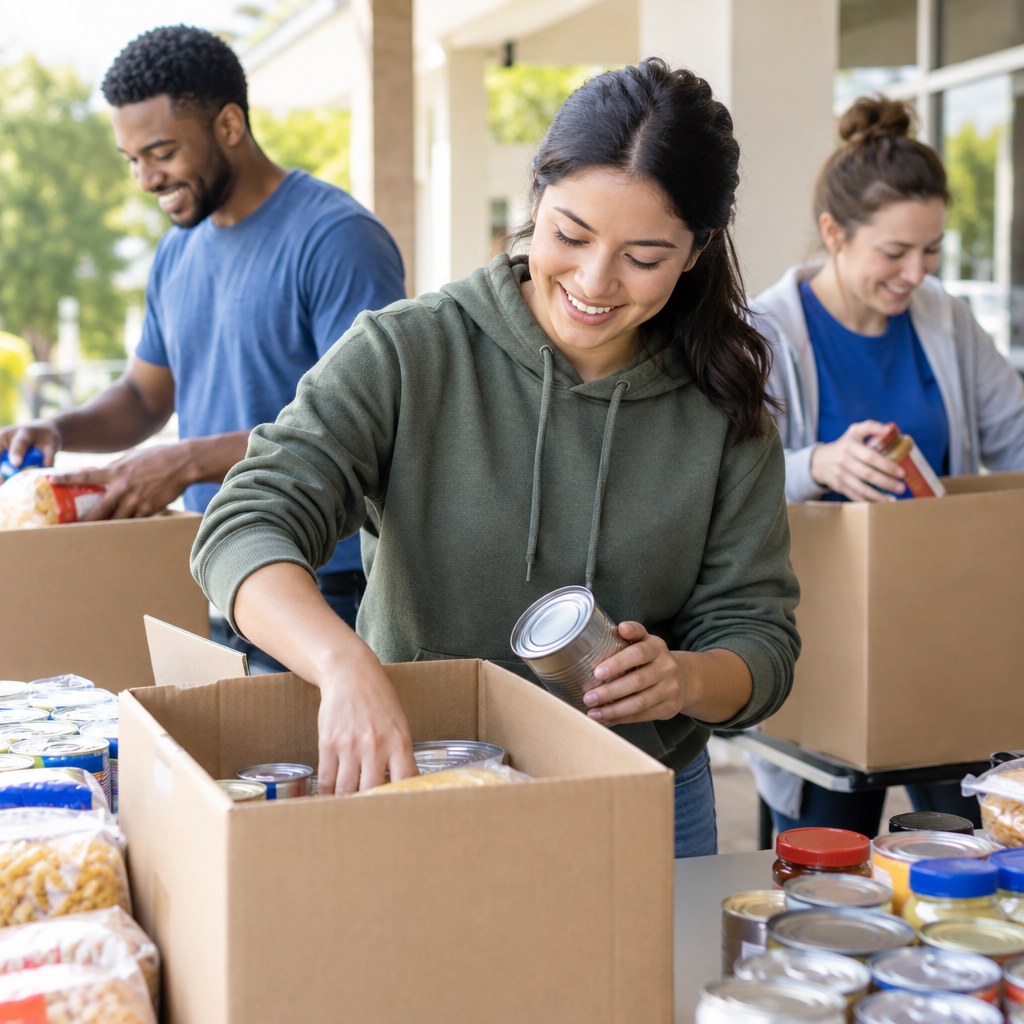
Keep the first plan short enough that volunteers can use it. Define the purpose, the campaign dates, collection locations, donation categories, staffing needs, storage location, and delivery process. A written plan prevents the common problem of enthusiastic promotion without an operational way to handle what arrives.
Choose a format that matches your capacity. A workplace drive may use a staffed reception desk or break room. A neighborhood drive may use several approved business locations. A school group may collect by classroom. If you cannot monitor an unattended bin or move its contents regularly, choose a smaller, staffed model instead.
Campaign lead
Owns the plan, partner communication, budget decisions, and final delivery confirmation. Give this person authority to simplify the drive when capacity changes.
Collection coordinator
Checks bins, arranges transport, keeps supplies available, and records which locations need attention. This role protects the physical flow of donations.
Volunteer and outreach lead
Recruits helpers, sends shift reminders, shares approved messages, and thanks participants. Consistent communication reduces last-minute gaps.
Set a goal you can manage
A practical goal is specific but not overcomplicated. You might aim to fill a planned number of boxes, serve a defined group of collection locations, or collect a focused set of priority products. State the goal as a working target, not a promise about the number of households helped, unless your receiving partner has supplied that information.
Also decide how you will measure completion. You can count boxes, bags, collection days, participating teams, or sorted categories. The measurement is primarily for managing the effort and reporting back honestly to volunteers.
Prepare collection and communications
Your collection point should answer three questions without requiring a volunteer to explain it: what to donate, where to put it, and when the drive ends. Use sturdy containers that are easy to reach but do not block exits, walkways, accessibility routes, or normal business activity. Ask the property owner or manager for approval before placing anything on site.
Create a one-page collection sign
Use a large heading such as “Community Food Drive,” followed by the end date, a short list of priority items, a note that products must be unopened, and the name of the receiving organization if it has approved that use. Include a contact method for the organizer when appropriate. Avoid printing claims about tax treatment, eligibility, or distribution outcomes unless the receiving organization has confirmed them.
For online announcements, repeat the same core message. Share the start date, end date, collection sites, requested items, and a reminder that donors should check packaging condition. A short series of reminders usually works better than one long message: launch announcement, mid-drive update, final-days reminder, and thank-you after delivery.
Plan volunteer shifts around real tasks
- Check collection areas on a predictable schedule.
- Move donations from public bins to a secure, dry storage space.
- Replace full boxes and keep signs visible.
- Sort donations near the end of the campaign or at scheduled intervals.
- Load and deliver items with enough people for safe handling.
Use a shared schedule that lists the task, date, time window, assigned volunteer, and backup contact. If you use messaging or email, send reminders before each shift and make it easy for someone to flag a conflict early.
Run the drive and sort donations
During the campaign, treat collection points as working operations rather than passive boxes. Check them often enough to prevent overflow, damage, or contamination. Keep donations away from moisture, extreme temperatures, cleaning chemicals, pests, and unsecured public areas.
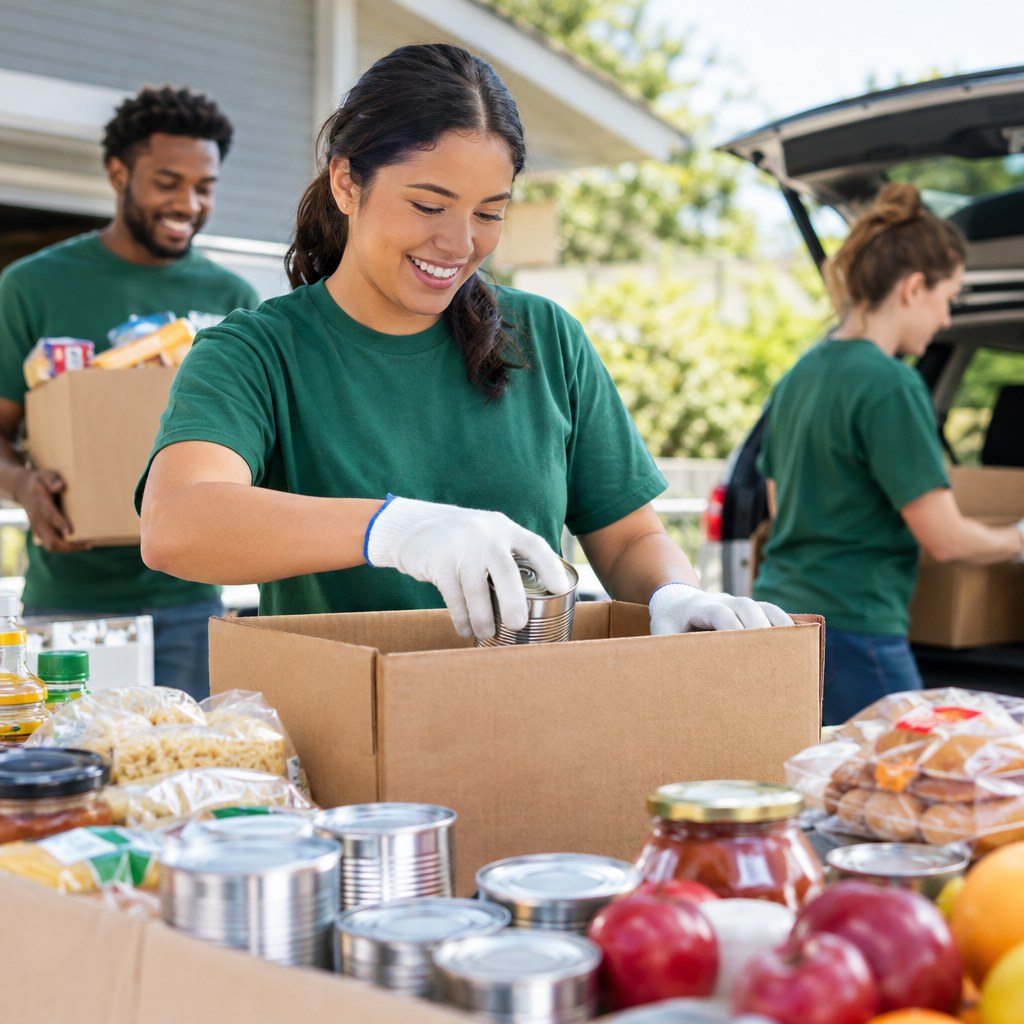
Before delivery, sort donations only to the level requested by the receiving partner. Typical categories include canned goods, dry grains and pasta, shelf-stable protein, breakfast foods, snacks, infant supplies, and personal-care products. Keep outer packaging intact when possible, and separate items that need the partner’s review.
At handoff, verify that the receiving location is open and that the contact still expects the delivery. Thank volunteers promptly, share a simple outcome update, and acknowledge any participating host locations. This closes the loop and makes future drives easier to organize.
Avoid common food drive mistakes
Launching before confirming demand
A broad drive can generate items that are difficult for the partner to use. Recover by revising your public message immediately, narrowing the requested list, and asking the partner how to handle what has already been collected.
Using unattended or overflowing collection bins
Overflow can damage donations and create a poor experience for donors and hosts. Recover by adding collection checks, reducing the number of sites, using larger containers only where you can service them, or moving to staffed drop-off windows.
Collecting food you cannot store safely
Perishable goods, homemade food, and temperature-sensitive products create avoidable handling challenges unless the receiving organization specifically requests them. Recover by clearly changing the collection rules and directing unsuitable items to another approved option if one is available.
Making the drive too complicated
Too many categories, locations, channels, or volunteer roles can overwhelm a small team. Start with one receiving partner, a short priority list, and a limited campaign period. You can expand later after you understand the workload.
Choose your next step
Use a simple decision framework: confirm a receiving partner first, collect only what that partner can use, choose collection sites you can monitor, and assign named people to every essential task. If any part of that chain is unclear, reduce the scope before you promote the drive.
Your next step is to contact one local distribution organization and ask for its current donation guidance. Then write a one-page plan with dates, priority items, locations, volunteer assignments, storage arrangements, and delivery details. Once those basics are confirmed, you can invite your community to take part with confidence.
Make the first commitment manageable
Choose one partner, one collection period, and one clear list of needed items. A well-run small food drive is a strong foundation for the next one.