The Work of a Wildlife Rehabilitator
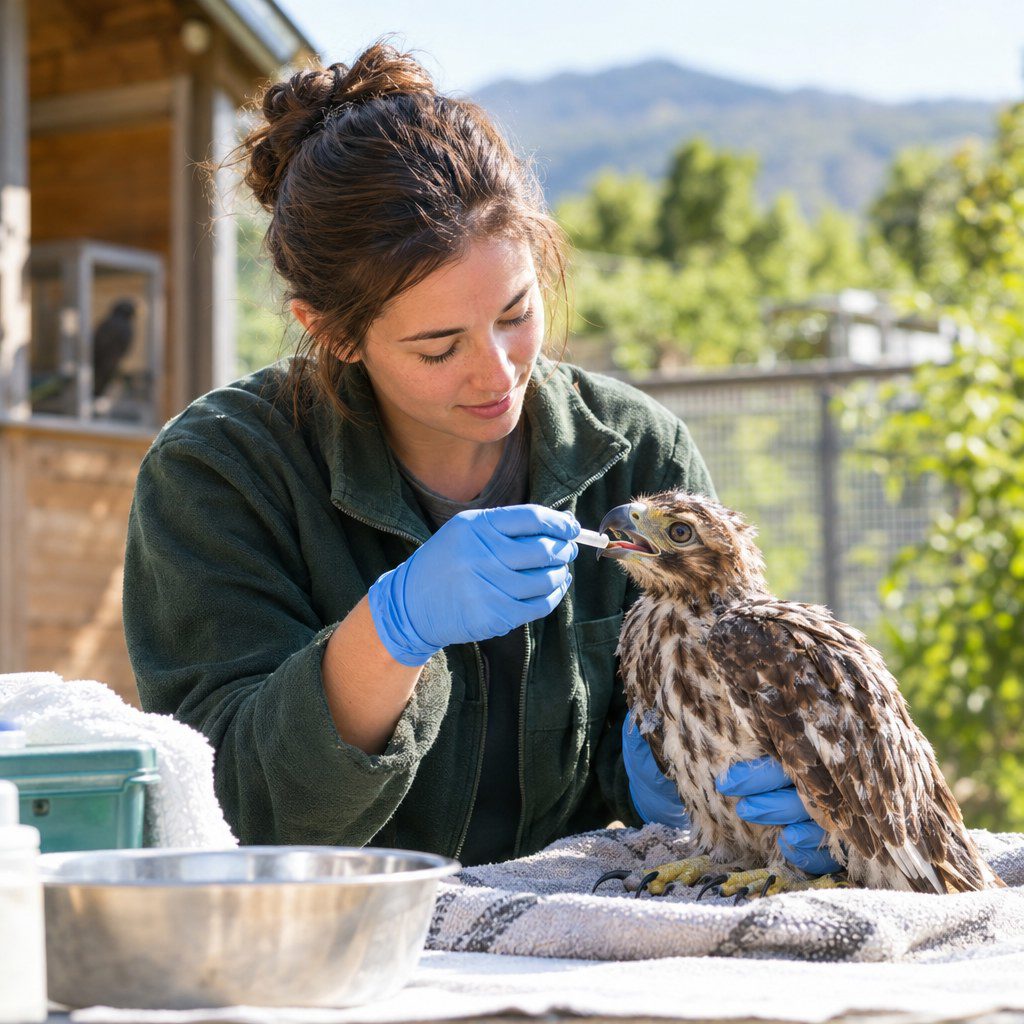
A wildlife rehabilitator cares for injured, orphaned, and displaced wild animals with one central goal: returning animals to appropriate habitat when they are healthy, independent, and legally eligible for release. The work combines animal-care skill, careful observation, public communication, record keeping, facility management, and close coordination with veterinarians and wildlife authorities.
For a practitioner, property manager, or business owner who encounters wildlife, understanding this role helps you make safer choices. You can recognize when an animal needs professional help, avoid well-meant actions that make rehabilitation harder, and build a practical response plan for your workplace or site.
What wildlife rehabilitators do
Wildlife rehabilitation is not simply rescuing animals and keeping them safe. It is a structured process designed to protect animal welfare while preserving the behaviors an animal needs to survive in the wild. Rehabilitators assess an animal’s condition, arrange veterinary treatment when needed, provide species-appropriate food and housing, reduce unnecessary human contact, and evaluate readiness for release.
The work differs from companion-animal care because wild animals have different needs. A young bird may need warmth, frequent feeding, and opportunities to develop normal flight and foraging behavior. A mammal may need a quiet enclosure, limited handling, compatible social contact, and a gradual transition to natural foods. Some animals cannot be safely handled without training because stress, bites, scratches, or disease exposure are real concerns.
Care is guided by release, not captivity
A rehabilitator’s success is usually measured by whether an animal can function independently after release. That changes daily decisions. Staff and volunteers avoid turning young animals into pets, prevent predators from becoming accustomed to people, and create enclosures that encourage movement, shelter-seeking, climbing, flying, or natural feeding behavior.
Not every animal brought to a rehabilitator is truly orphaned or injured. Healthy fledgling birds often spend time on the ground while their parents continue feeding them. Young mammals may also be temporarily separated from a parent. A trained assessment helps distinguish a normal stage of development from a genuine emergency.
💡 Practical point: If you find wildlife, observe from a safe distance before intervening unless there is immediate danger, visible injury, or a confirmed collision. A local licensed wildlife rehabilitator or wildlife agency can advise on what to do next.
From first report to release
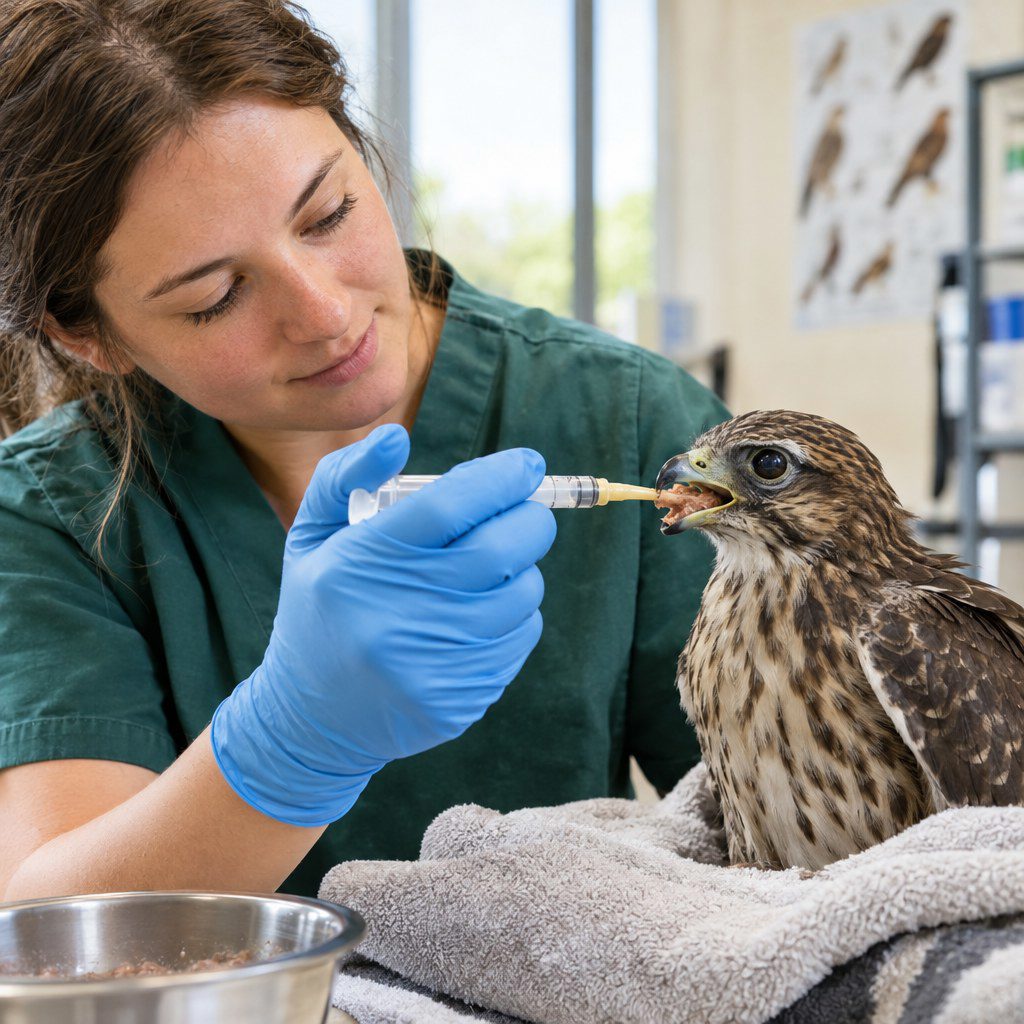
Rehabilitation begins well before an animal enters a treatment area. Calls and reports from the public are often the first triage point. The rehabilitator gathers basic information: the species if known, location, observed behavior, visible injuries, nearby hazards, whether a parent has been seen, and whether a domestic animal was involved.
1. Triage the situation
At intake, the team determines whether the animal needs immediate stabilization, veterinary care, monitoring, or reunification with a parent. An animal that appears cold, weak, bleeding, unable to stand, or unable to fly may need urgent attention. Contact with a cat or dog can also change the response because even small wounds may be serious for wildlife.
2. Stabilize before diagnosing
Stress can worsen an animal’s condition quickly. Rehabilitation teams commonly prioritize quiet, darkness, warmth when appropriate, and minimal handling while they assess the animal. Feeding or giving water too soon can be harmful for some species, which is why members of the public should not assume that food is the first solution.
3. Treat, monitor, and document
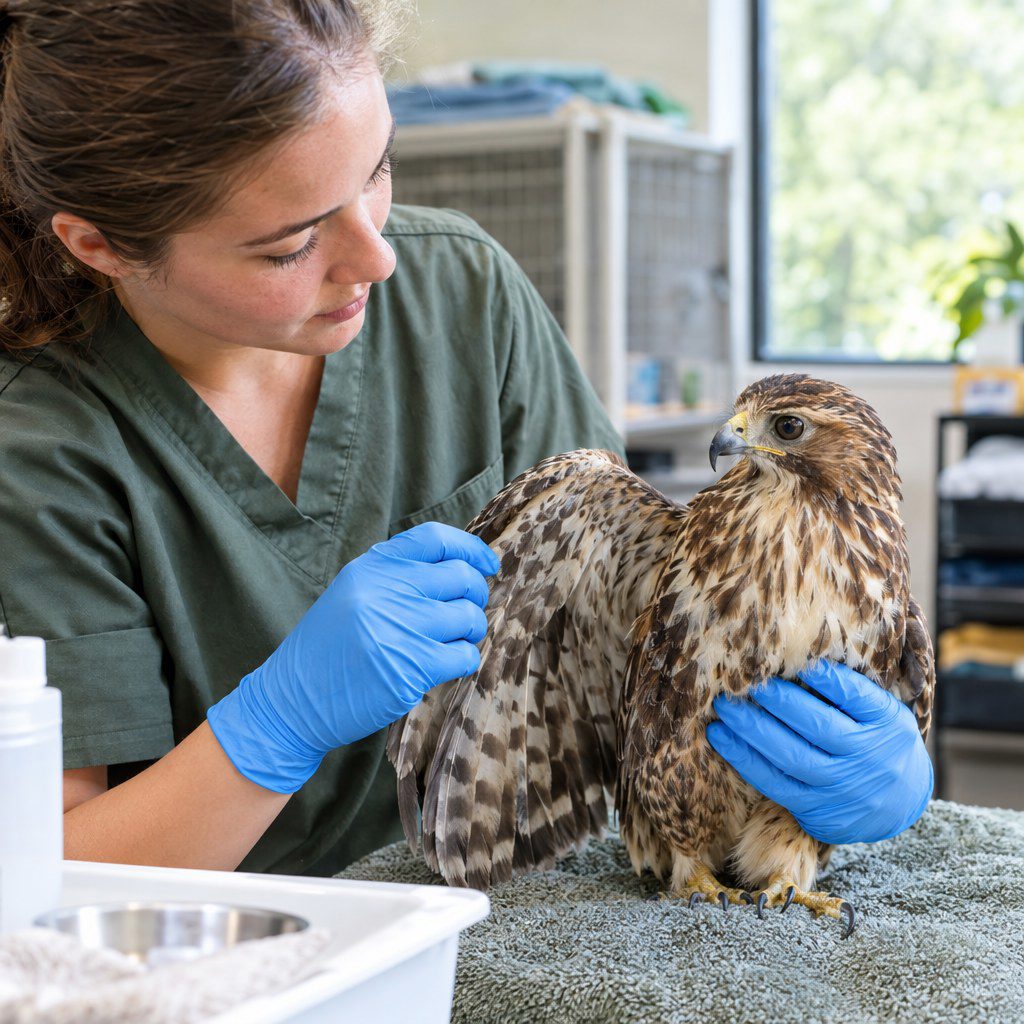
Veterinary professionals may diagnose fractures, dehydration, wounds, infections, toxic exposure, or other conditions. The rehabilitator then follows an approved care plan and records treatments, diet, weight or body condition where relevant, behavior, and changes over time. Good records support consistent care across shifts and help the organization meet permit, reporting, and animal-welfare responsibilities that may apply in its area.
4. Build wild behavior
As recovery progresses, the animal moves from intensive care toward conditioning. A bird needs space and fitness to fly reliably. A squirrel needs climbing opportunities and natural food skills. A raptor needs suitable flight conditioning and hunting-related competence. The exact approach depends on the species, age, injury, season, and local release requirements.
5. Choose and evaluate release conditions
Release is a welfare decision, not a deadline. The team considers whether the animal is physically recovered, alert, mobile, appropriately wary of people, and capable of feeding itself. They also consider weather, habitat, seasonal timing, local hazards, and whether release near the original location is appropriate. When release is not possible, the rehabilitator follows the relevant veterinary and regulatory process rather than making an informal decision.
The operational work behind animal care
Animal care is the visible part of rehabilitation, but a reliable program depends on systems. Facilities need intake protocols, cleaning schedules, supply controls, enclosure maintenance, biosecurity practices, emergency contacts, trained volunteers, and clear boundaries for public interaction. For organizations that host or support wildlife response, these operational details matter as much as compassion.
Biosecurity deserves special attention. Cleaning tools, laundry, food-preparation areas, enclosures, and transport containers must be managed to limit cross-contamination. The correct method varies by species and facility, so it should be based on veterinary guidance and local requirements rather than copied from a generic checklist.
Communication is another core function. Rehabilitators explain why an animal should not be kept at home, why repeated handling can be damaging, and why a release date cannot always be promised. Clear explanations help people accept decisions that may initially seem counterintuitive.
How organizations can support the process
If you manage a workplace, venue, school, landscape business, construction site, or residential property, you can reduce confusion by setting a wildlife-response procedure before an incident occurs. The goal is not to turn employees into rehabilitators. It is to help them respond safely, protect the animal from immediate harm, and contact appropriate professionals efficiently.
Create a simple response checklist
- Keep people, pets, vehicles, and machinery away from the animal where possible.
- Record the location, time, visible condition, and likely cause of injury or disturbance.
- Take a photo only if it can be done without approaching or stressing the animal.
- Contact a local licensed rehabilitator, wildlife agency, animal-control service, or veterinarian for direction.
- Follow handling instructions exactly, including advice about transport containers or whether to leave the animal in place.
- Document the outcome and update your site procedure if the event exposed a gap.
For example, if a bird strikes a large office window, your team can reduce secondary harm by moving pedestrians away, noting whether the bird is alert or visibly injured, and seeking professional advice rather than immediately releasing it or bringing it into an office. Preventive measures, such as making reflective glass more visible to birds, may also be worth reviewing after repeated incidents.
💡 Tip: Keep contact details for the appropriate local wildlife response resources in your incident plan. Rules on possession, transport, protected species, and release can vary by location, so verify the correct route before an emergency happens.
Risks and common mistakes to avoid
The most common mistake is assuming that every lone young animal needs to be “rescued.” Many young animals are in a normal developmental stage, and removing them can separate them from active parents. Watch from a distance and seek advice before acting unless there is an immediate threat.
Another mistake is offering food, water, milk, or medication without guidance. Different species have highly specific needs, and improper feeding can cause harm. A rehabilitator may recommend a temporary warm, dark, ventilated container for transport, but you should only handle an animal when qualified guidance says it is necessary and safe.
Businesses can also make the problem worse by treating wildlife incidents as isolated disruptions. Repeated window strikes, animals trapped in structures, unsecured waste, exposed chemicals, or nesting conflicts may point to a site-level issue. Review the physical environment, maintenance routines, and seasonal work schedule after an incident rather than relying only on emergency response.
How to recover from a poor first response
If an animal has been handled, fed, or kept overnight, be honest when you contact a professional. Share what happened, when it happened, what the animal was offered, and whether it contacted pets or people. Accurate information helps the rehabilitator decide what care or monitoring is needed. Avoid trying to correct the situation by releasing the animal without advice.
A practical decision framework
Use 3 questions when wildlife appears on your property: Is there immediate danger? Does the animal show signs of injury, illness, or abnormal behavior? Who is the appropriate local professional to advise or respond? This framework prevents rushed decisions while keeping attention on safety and welfare.
Wildlife rehabilitators occupy an important space between public concern and responsible return to the wild. Their work is demanding because each animal requires informed care, but it also depends on everyone else making better first decisions: observe, protect the area, document what you see, and contact the right resource.
Make wildlife response part of your site plan
Review your emergency contacts, train your team on basic observation and reporting, and confirm the local professionals who can provide species-specific guidance.