What Goes Into Organizing a Neighbourhood Festival
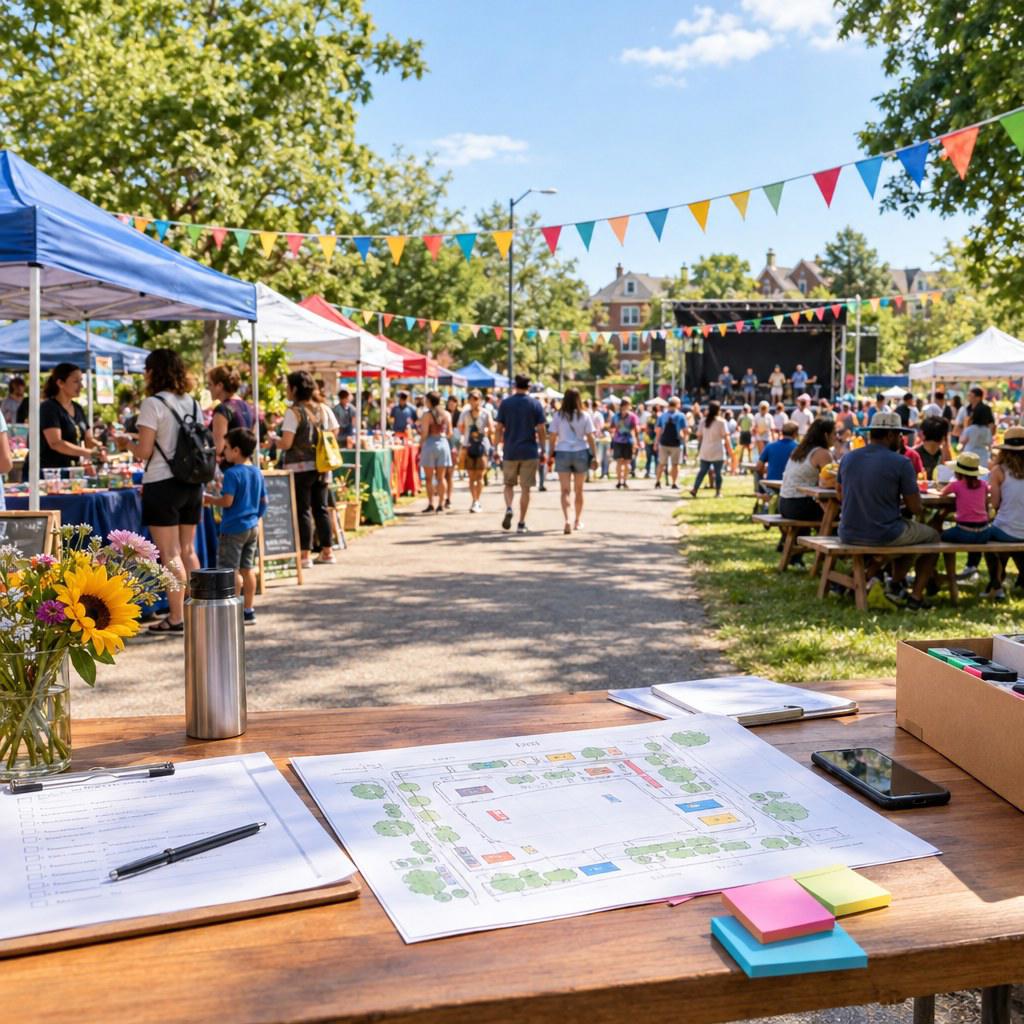
Organizing a neighbourhood festival means turning a good local idea into a safe, welcoming event with a clear purpose, workable budget, reliable volunteers, and a realistic plan for the day itself. The strongest festivals are not necessarily the largest; they are the ones where organisers match the programme to the space, communicate clearly, and prepare for practical problems before they arise.
Whether you are representing a residents’ group, a local business association, a school community, or an informal team of neighbours, the work is similar: define the event, obtain the right permissions, manage risks, coordinate people, and leave the area in good order. This guide breaks that process into decisions you can make with confidence.
Start with purpose, scope, and ownership
A neighbourhood festival can celebrate local identity, bring footfall to independent businesses, raise funds for a community project, introduce neighbours to one another, or provide accessible family entertainment. Choose the primary purpose before choosing performers, stalls, or decorations. It will guide nearly every later decision.
Write a short event brief that answers: who is the festival for, what should attendees do there, where will it take place, how long will it run, and what would make it successful? Keep the answer practical. For example, a small afternoon event in a shared green space has very different staffing, sound, waste, and safety needs from a full-day street festival.
Set a scale you can deliver
Start with the resources you genuinely have, not the event you hope to grow into. Your available space, volunteer capacity, budget, local rules, and lead time set the real limits. A compact programme with dependable basics usually creates a better experience than a crowded schedule that leaves organisers overstretched.
Purpose
Choose one main outcome, such as community connection or support for local traders. Secondary goals should not distract from the main one.
Scope
Decide the date window, operating hours, location boundary, and broad audience before inviting vendors or advertising the event.
Ownership
Name one event lead and give every key task a clear owner. Shared responsibility still needs accountable decision-makers.
💡 Tip: Agree how decisions will be made before planning begins. A small organising group can move quickly if it knows who approves spending, programme changes, and public announcements.
Build the foundations: venue, permissions, and budget
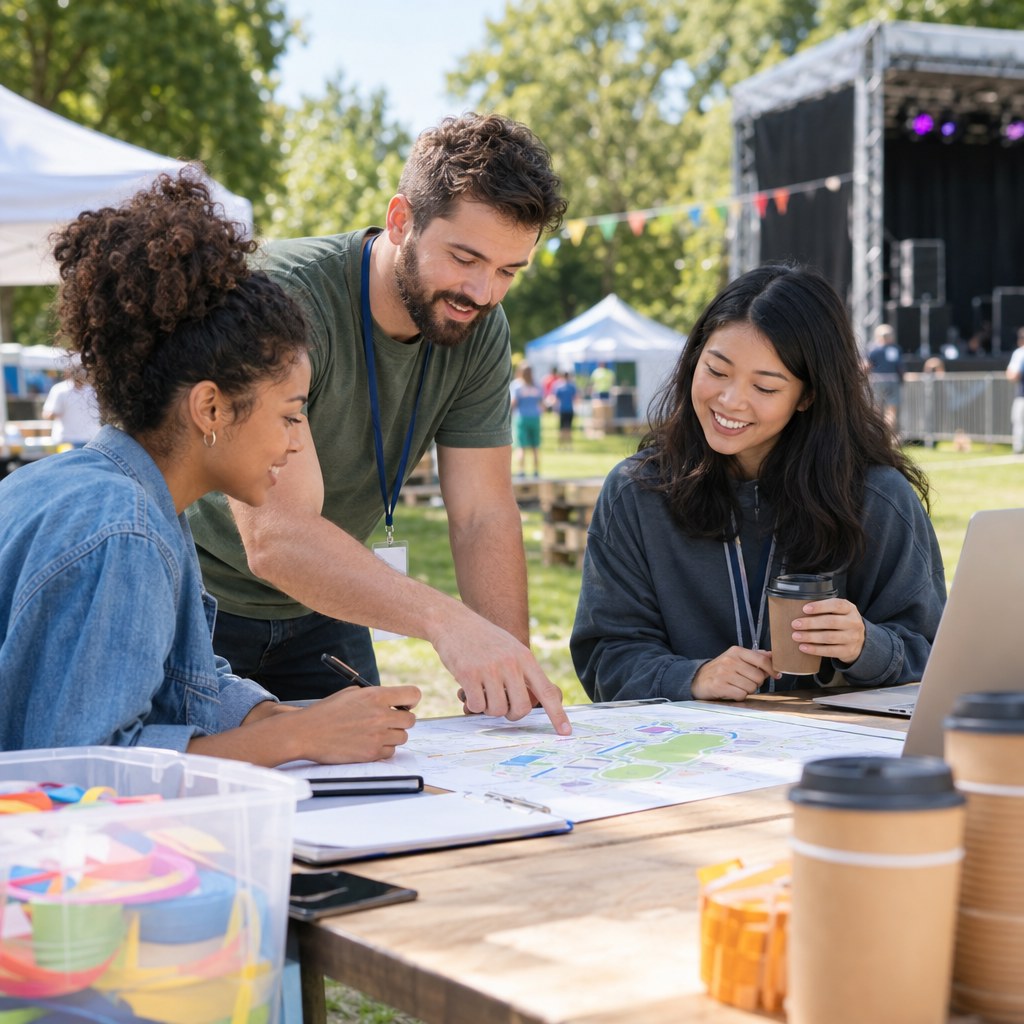
Your site determines what is possible. Walk it at the same time of day as the proposed festival where you can. Look at entrances, narrow points, vehicle access, accessible routes, noise-sensitive homes, toilets, power sources, shade, drainage, and areas where people may gather. A simple site plan is essential, even for a modest event.
Mark where each activity will sit: welcome point, stalls, food area, performance space, first-aid provision, waste points, quiet area, accessible toilets, emergency access, and exits. Leave enough room for queues without blocking paths. If your event uses a road, public park, amplified music, alcohol, cooking equipment, structures, or commercial vendors, check requirements with the relevant landowner and local authority well in advance. Requirements vary by location.
Build a budget before making commitments
List likely costs before you promise free entry, book entertainment, or accept vendor applications. Common items include permits, insurance, equipment hire, toilets, waste collection, first aid, security or stewards, power, marketing materials, performer fees, and contingency. Also list possible income: stall fees, grants, donations, sponsorship where appropriate, ticketing, or contributions from partners.
Keep the budget live. Record commitments, expected income, actual invoices, due dates, and the person responsible for approval. Do not treat verbal offers as confirmed bookings until terms, timings, costs, and cancellation arrangements are written down.
Create a programme people can use
A festival programme should make it easy for visitors to understand what is happening, where it is happening, and when they need to arrive. Balance headline activities with simple reasons to stay: local food, children’s activities, community groups, demonstrations, seating, and space to talk.
Choose contributors who fit the event
Prioritise reliable contributors over a long list of possibilities. Ask each vendor, performer, exhibitor, and activity provider for practical information: arrival time, vehicle needs, power requirements, footprint, setup duration, insurance or safety documents where required, and a contact who can make decisions on the day.
For food and drink providers, clarify responsibilities rather than assuming that the organiser manages every detail. Check what local rules apply to food trading, waste, handwashing, fuel, and licensing. Make the same checks for children’s activities, inflatables, live music, and any activity with specialist equipment.
Design for access and neighbourliness
Accessibility should be part of the first layout, not an addition made at the end. Consider step-free routes, clear signs, places to sit, accessible toilets, readable schedules, quieter areas, and room for mobility aids. Tell nearby residents early about the date, expected timings, parking changes, sound checks, and a contact route for concerns. Early communication can prevent avoidable conflict.
- Schedule setup, public opening, final performance, and close-down separately.
- Build transition time between performances, rather than planning continuous activity.
- Use a printed and digital version of the schedule, but prepare for changes.
- Give volunteers a shorter operational schedule with contacts and task times.
- State what happens if weather affects an outdoor activity.
Plan delivery from arrival to clean-up
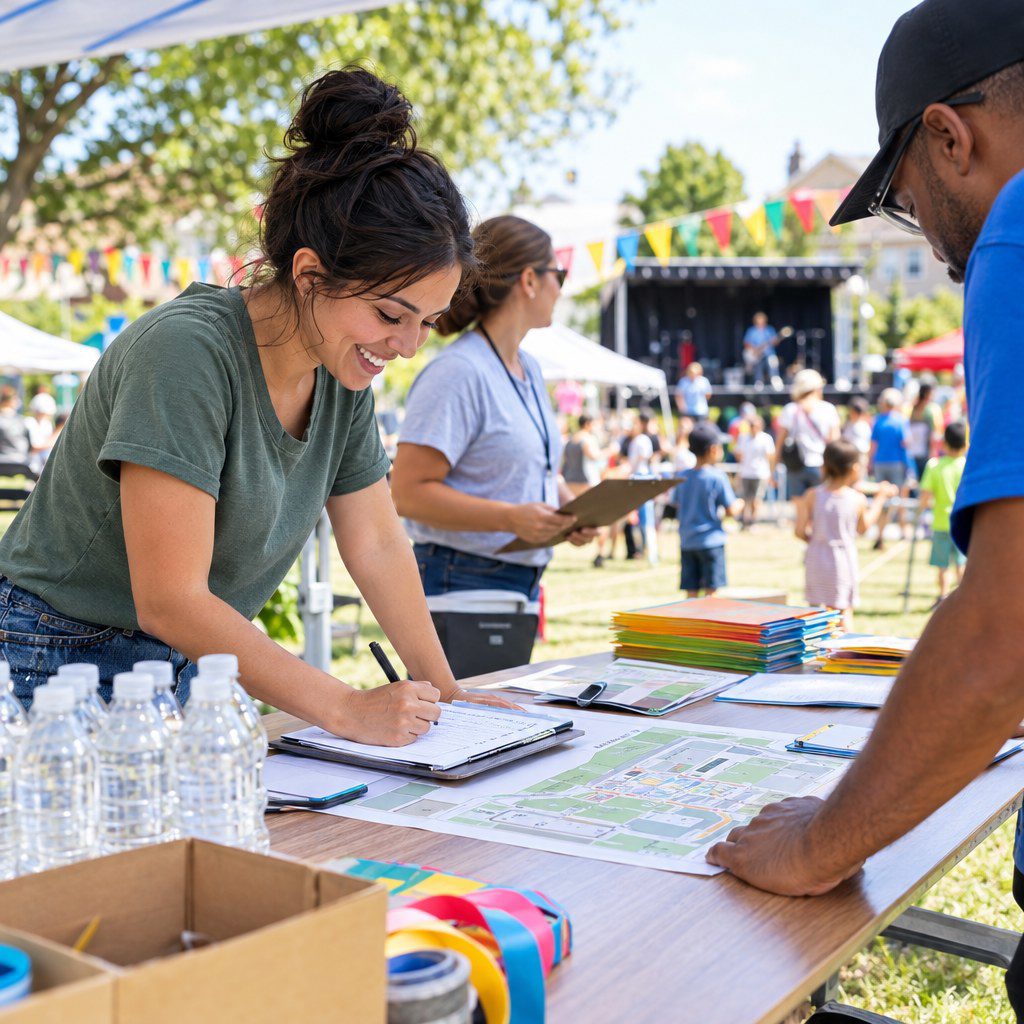
The event day works best when everyone knows where to be, what to do, and who to call. Create a run sheet that begins before the first supplier arrives and ends after the site has been checked, cleaned, and handed back. Share the final version with team leads and keep a printed copy at the event control point.
Assign practical volunteer roles
Do not ask volunteers merely to “help out.” Give each person a defined shift, location, task, supervisor, and break arrangement. Typical roles include setup crew, welcome desk, site guides, performer liaison, litter and recycling checks, lost-property support, accessibility assistance, queue management, and close-down crew.
Hold a short briefing before opening. Cover the site plan, key contacts, welfare arrangements, lost child or vulnerable-person procedure, emergency access, weather response, incident reporting, and the rule that volunteers should escalate concerns rather than solve unfamiliar risks alone.
⚠️ Planning note: Your emergency arrangements should match the site and activities. Confirm procedures with relevant venue managers, authorities, and professional providers where needed; do not rely on a generic template alone.
Risks, common mistakes, and recovery plans
Most festival problems come from unclear responsibilities, late decisions, or optimistic assumptions. A risk register does not need to be complicated. List what could happen, how it would affect people or delivery, who monitors it, and what action you will take. Review it whenever the programme or site plan changes.
Problems to anticipate
- Weather disruption: Decide in advance what can move, pause, continue safely, or be cancelled.
- Supplier cancellation: Keep alternatives for essential services and avoid marketing unconfirmed attractions.
- Volunteer gaps: Cross-train team leads and protect essential roles first.
- Overcrowding or blocked routes: Monitor busy areas and be ready to pause queues or redirect visitors.
- Waste buildup: Arrange collection points, bin checks, and a final litter sweep with clear ownership.
- Poor communication: Use one official update channel and give staff a consistent message.
If something changes on the day, prioritise safety, accurate information, and a calm response. Tell visitors what has changed, what they should do, and when you expect a further update. Afterward, document incidents and decisions while details are fresh. This is not about blame; it helps you improve the next event.
A practical decision framework
Before approving any festival element, ask 4 questions: does it serve the event purpose, does the site support it, can your team operate it safely, and can the budget absorb it? If the answer to any question is unclear, pause the decision until you have the information.
Then run a short post-event review with organisers, volunteers, vendors, and nearby stakeholders. Record what worked, what caused pressure, what costs surprised you, and what should change next time. Keep your site plan, supplier list, run sheet, and lessons learned in one shared folder so that next year’s planning starts from evidence rather than memory.
Turn the idea into a workable festival brief
Set your purpose, name an event lead, map the site, and list permissions and essential costs before you invite the first stallholder or announce a date.