Why Otters Have Such Dense Fur
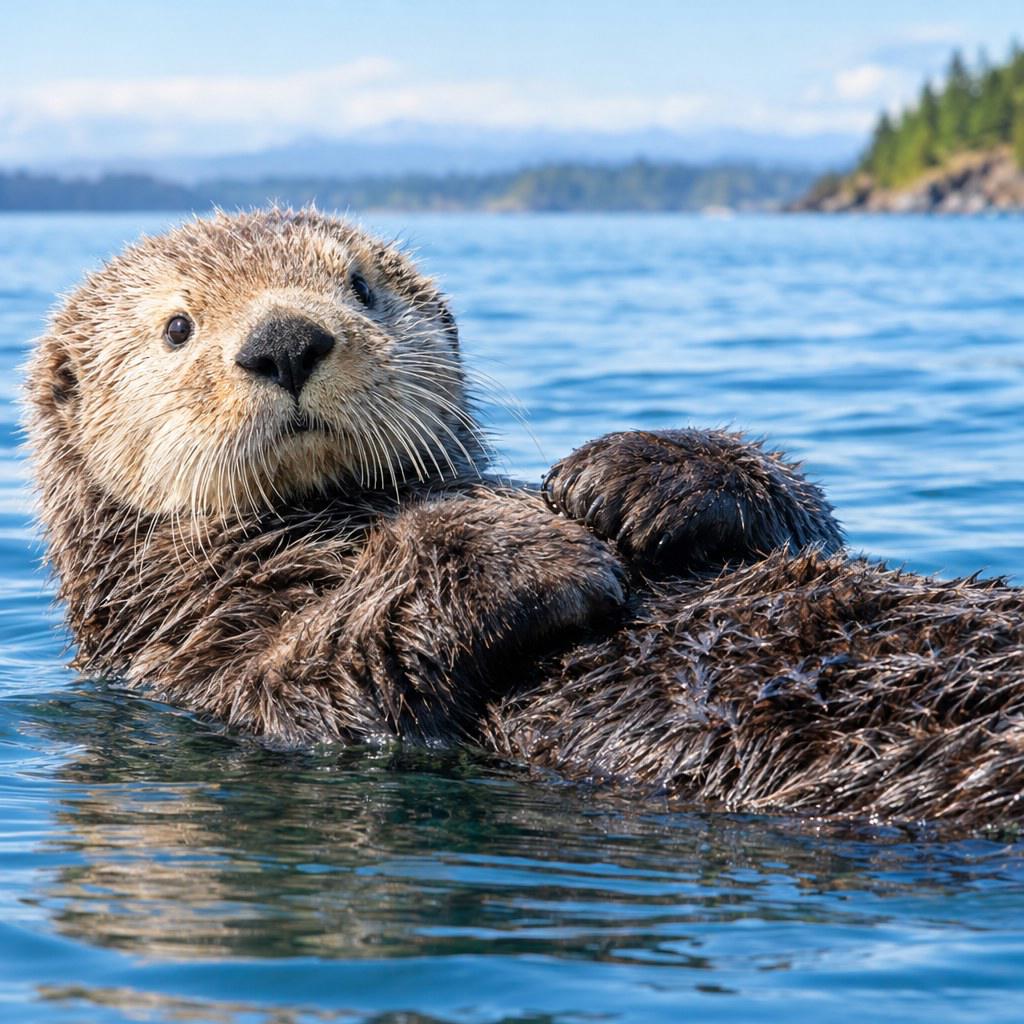
Otters have exceptionally dense fur because it is their primary insulation in cold water. Unlike many marine mammals, sea otters rely far more on trapped air within their coat than on a thick layer of body fat, while river otters also depend on waterproof, air-holding fur to stay warm, buoyant, and mobile.
Understanding how this coat works helps you interpret otter behavior, communicate accurately about wildlife, and make better decisions when creating educational materials, conservation messaging, or nature-based experiences. Dense fur is not simply an attractive feature: it is a highly maintained survival system.
Why fur density matters in water
Water removes body heat much faster than air. An animal that spends long periods swimming, diving, floating, or resting in cold water therefore needs an effective barrier between its skin and the surrounding water. Otters solve much of that problem with an unusually dense two-layer coat.
The outer layer consists of longer guard hairs. These help repel water and protect the softer insulating hairs beneath. The underfur is made of very fine, closely packed hairs that trap a layer of air near the skin. That air provides insulation because it slows heat loss.
For sea otters, this system is especially important. They live in coastal waters and often spend much of their time at the surface or diving for food. Their dense fur also contributes to buoyancy, helping them float while resting, grooming, or feeding. A coat that holds air efficiently supports warmth and reduces the effort needed to remain at the surface.
River otters are also adapted to wet environments, but their habitat and behavior can differ. They may move between water and land more frequently, use dens, and encounter freshwater systems with changing temperatures. Their thick coat remains central to warmth and water resistance, even though their overall lifestyle differs from that of a sea otter.
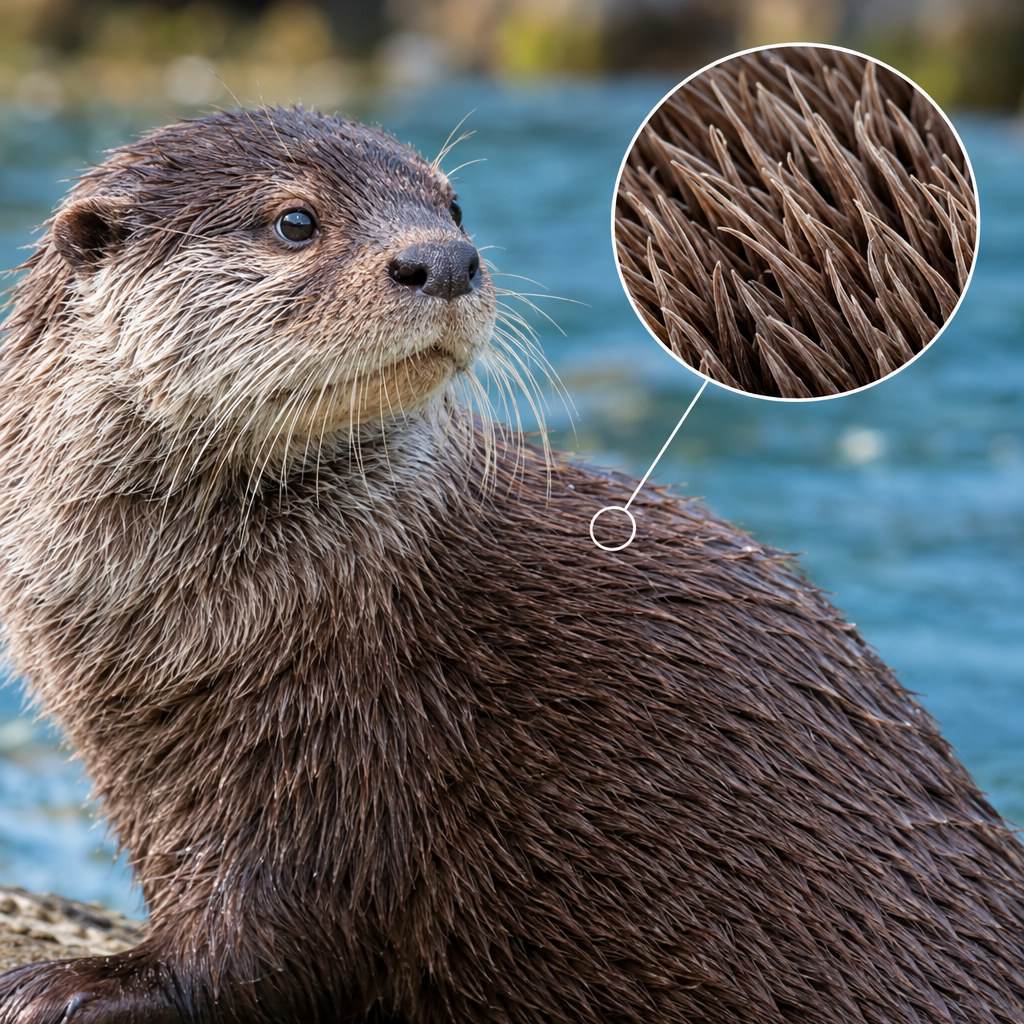
How an otter’s coat works as an insulation system
It is useful to think of otter fur as a layered technical material rather than a single blanket of hair. Its performance depends on structure, cleanliness, movement, and regular maintenance.
Guard hairs reduce direct wetting
Longer outer hairs help channel water away from the body and protect the underfur from abrasion. When the coat is in good condition, water has more difficulty reaching the skin. This is important during repeated dives, swimming through vegetation, and exposure to wind after leaving the water.
Underfur captures insulating air
The key advantage of dense underfur is the amount of air it can retain. Air pockets form a buffer between skin and water. If that buffer collapses, the animal loses insulation and must use more energy to stay warm.
Oil and contamination can disrupt the system
Fur does not work well when it is coated with oil, sticky pollutants, or heavy debris. These substances can flatten hairs, displace trapped air, and allow water to reach the skin more easily. This is one reason oil contamination is so dangerous for fur-bearing marine animals, even apart from the risks of ingestion and habitat damage.
💡 Key point: Dense fur is effective only when it stays clean, fluffed, and filled with air. Density alone does not guarantee insulation.
This distinction matters when you describe otters in signs, visitor materials, or classroom content. Saying that otters “have thick fur” is broadly true, but it misses the important mechanism: the coat manages a layer of insulating air.
Sea otters and river otters: similar tool, different demands
“Otter” covers multiple species, and dense fur serves slightly different environmental demands across them. Avoid treating every otter as if it lives the same way or faces the same water conditions.
Sea otters are often described as having among the densest fur of any mammal. That statement refers to the sheer concentration of hairs and the coat’s role in insulation. It should not be used to imply that other otters have simple or ineffective coats; river otter fur is also highly specialized for aquatic life.
For accurate public-facing content, name the species when you can. If the species is unknown, use “otters” and describe the shared principle: dense, layered fur helps retain insulating air and repel water.
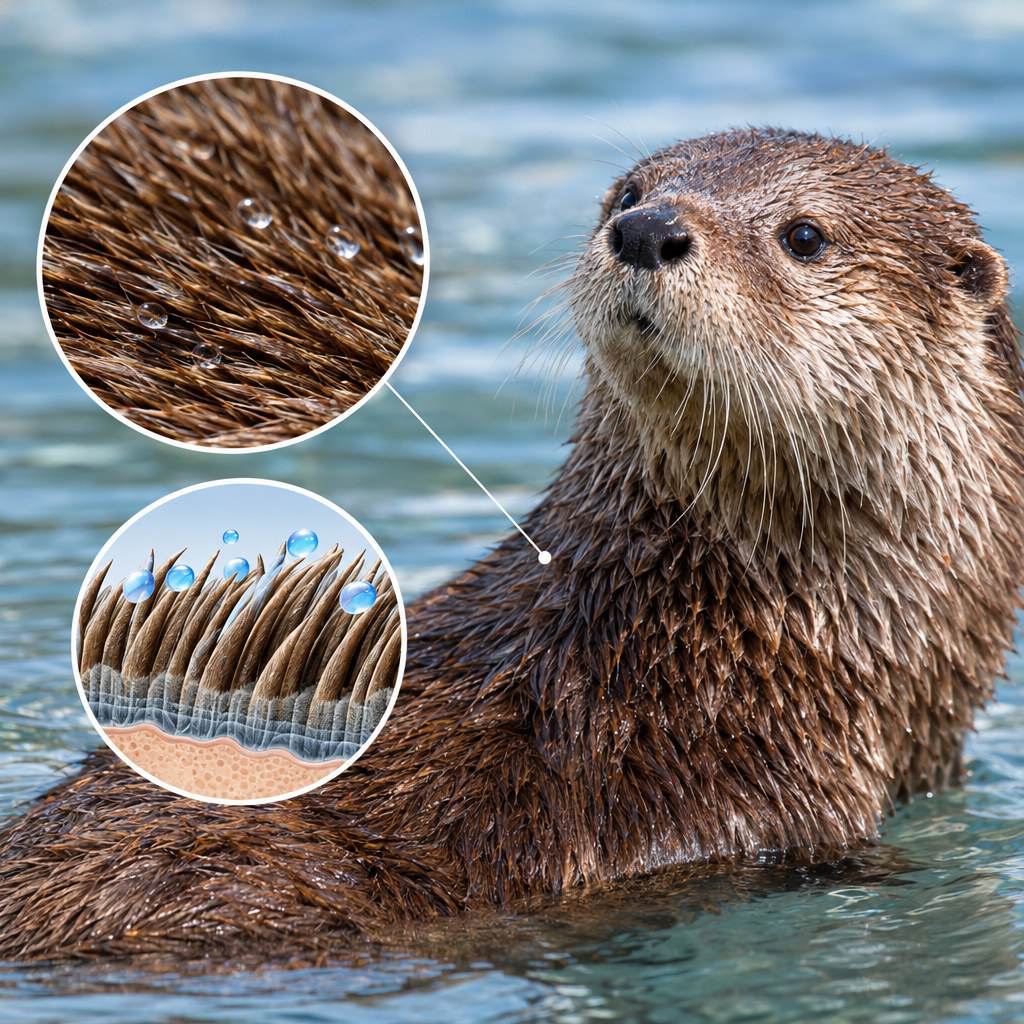
Why grooming is essential, not cosmetic
Otters spend considerable time grooming because their coat needs regular care to remain functional. They rub, comb, blow air into, and rearrange their fur using their paws, teeth, and body movements. This behavior separates hairs, removes debris, and restores the air layer that supports insulation.
Grooming can look playful or leisurely, but it has a practical thermal purpose. When fur becomes matted, dirty, or compressed, it is less able to trap air. An otter may then need more energy to maintain body temperature, especially in cold water.
This creates a wider ecological connection. Otters need suitable resting areas, relatively clean water, reliable food, and freedom from repeated disturbance. If you run a waterfront business, organize outdoor activities, or create visitor guidance near otter habitat, good practice means giving animals space to feed and groom without pressure.
What responsible observation looks like
- Watch from a distance that does not change the otter’s direction, feeding, grooming, or resting behavior.
- Use binoculars or a camera zoom rather than approaching for a closer image.
- Keep dogs controlled and away from shoreline wildlife.
- Do not offer food, throw objects, or try to attract an otter’s attention.
- Follow local wildlife guidance where you operate, visit, or lead activities.
Practical checklist for explaining otter fur accurately
If you are preparing a display, article, tour script, social post, or staff briefing, use the following process to keep the message useful and defensible.
- Identify the otter type. Confirm whether your subject is a sea otter, river otter, or another species before making habitat-specific claims.
- Lead with the function. Explain that dense fur traps air and slows heat loss in water.
- Describe the layers. Mention protective outer guard hairs and fine insulating underfur.
- Include grooming. Explain that the coat must be maintained to preserve its insulating performance.
- Connect fur to threats carefully. State that oil and contamination can damage the fur’s ability to repel water and hold air.
- Give a practical behavior cue. Encourage viewers to observe quietly and avoid disturbing resting or grooming animals.
For example, a concise interpretive sign could say: “An otter’s dense, layered fur traps air next to the skin, helping it stay warm in cold water. Grooming keeps that insulating layer working.” This is clearer and more useful than simply calling the coat “very thick.”
Risks and mistakes to avoid
The biggest communication mistake is oversimplification. Saying that otters are warm “because of fur” is incomplete, while saying all otters have no body fat is inaccurate. The relevant point is that sea otters rely unusually heavily on fur-based insulation compared with many marine mammals.
Another mistake is treating grooming as entertainment. If an otter repeatedly stops grooming, changes course, dives away, or appears alert because people are nearby, you are too close. Step back and reduce noise. Wildlife observation should not make an animal spend less time resting, feeding, or maintaining its coat.
Do not turn fur density into a reason to handle, rescue, or assess an animal yourself. A wet, distressed, injured, or contaminated otter needs trained wildlife professionals. Keep people and pets away, note the location, and contact the appropriate local wildlife authority or rescue organization.
⚠️ Avoid: Never use household cleaners, oils, towels, or warm water to treat wildlife. Well-intended handling can worsen stress, damage fur, or create danger for both you and the animal.
A simple decision framework
Use 3 questions when you need to explain or act on information about otter fur. First, which species and habitat are involved? Second, are you explaining the coat’s structure or its real-world function? Third, does your action protect the otter’s ability to remain undisturbed, clean, and properly groomed?
If your answer covers species, insulating air, layered fur, grooming, and respectful distance, you have the essentials. Dense fur is an adaptation that works as a system: hair structure creates the potential, air provides insulation, and grooming keeps the system operating.
Use the science to encourage better wildlife behavior
The next time you see or describe an otter, focus on the practical story: dense fur traps air, grooming protects that insulation, and giving wildlife space helps that system do its job.