Updated October 1, 2026. Nettle leaf is both a traditional herbal ingredient and an edible green when correctly identified and prepared. It can add variety to soups, sauces, and other meals. That does not make nettle tea a proven treatment for infections, diabetes, allergies, or liver disease.
The most useful distinction is between eating prepared nettle leaves, drinking an infusion, and taking a concentrated extract. They deliver different amounts of different substances. Research on a particular root extract cannot automatically tell us what a cup of leaf tea will do.
What is nettle leaf?
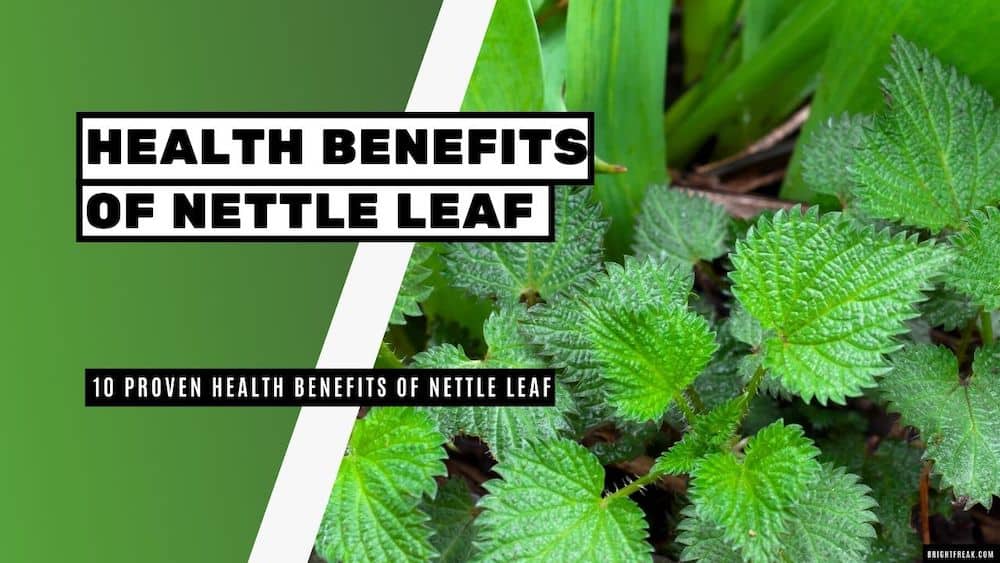
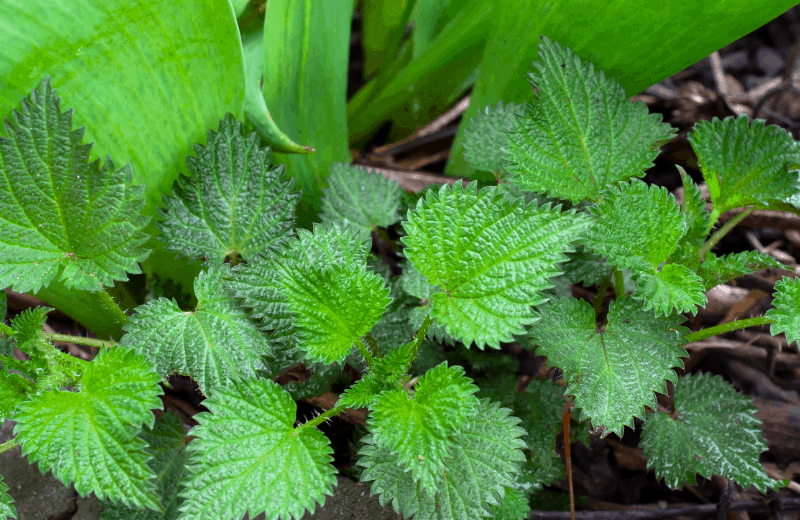
Stinging nettle usually refers to Urtica dioica; Urtica urens is another species used in herbal products. Fresh plants have tiny hairs that can cause painful skin irritation. The leaves and other above-ground parts are distinct from the root, which is used in some products marketed for prostate symptoms.
Check a product’s label for the species, plant part, preparation, and other ingredients. A blend containing several herbs is not evidence that nettle alone produces its advertised effect. “Natural” also says nothing about the strength of an extract or whether it suits your medicines.
What benefits are supported?
A food ingredient, rather than an energy supplement
Properly prepared leaves provide fiber and nutrients, including calcium and manganese. They can take the place of other greens in a meal. A strained tea does not provide the same fiber as eating the leaves, and nutrient content varies with growing conditions and preparation. There is no good reason to expect nettle to act as an instant energy booster or to correct unexplained fatigue.
Traditional use for minor complaints
The European Medicines Agency’s nettle-herb monograph, revised in 2025, recognizes specified preparations for traditional use in minor urinary complaints, minor joint pain, and seborrhoeic skin conditions. These indications rely on longstanding use; they are not a finding that large, high-quality trials have proved nettle treats these conditions.
That distinction matters when reading a supplement advertisement. A traditional-use registration is not permission to replace a diagnosis, an antibiotic, or prescribed treatment with home-brewed tea.
Joint discomfort and prostate symptoms
Memorial Sloan Kettering’s evidence review describes limited human research suggesting benefits for some arthritis and benign prostate symptoms. Larger studies are needed. Some prostate research uses root preparations or combinations with other herbs, so those results should not be presented as proven benefits of nettle leaf.
Do not deliberately sting painful joints or apply homemade nettle preparations to damaged skin. New swelling, redness, or fever with joint pain needs medical assessment, not a stronger herbal preparation.
Allergies, blood sugar, and blood pressure
Laboratory findings about inflammatory pathways do not establish an effective hay-fever treatment. Clinical evidence for allergy relief remains insufficient. Small studies of blood sugar are also not a basis for treating diabetes yourself. Possible blood-pressure and diuretic effects raise medicine-interaction questions rather than proving that nettle is a safe alternative to medication.
Claims that go beyond the evidence
Nettle should not be sold as a general immune booster, kidney cleanser, liver detox, or reliable wound-healing remedy. Cell and animal experiments can suggest research questions, but they cannot show that drinking leaf tea prevents organ damage in people. “Antioxidant activity” is a laboratory property, not a clinical outcome.
In particular, increasing urine output does not establish that an infection has been cleared. Urinary infections may need treatment. Seek prompt advice for urinary symptoms with fever, shivering, back pain under the ribs, blood in the urine, or pregnancy. Do not wait for herbal tea to work.
How to gather and prepare nettles
Only gather a plant you can identify with confidence, from a place where collection is permitted and contamination is unlikely. If you are inexperienced, use a knowledgeable local guide or buy food-grade nettles. Do not rely on a photograph alone to identify a wild food.
- Protect your skin. Wear long sleeves and sturdy gloves; use scissors and tongs for handling.
- Choose tender growth. Young leaves before flowering are more useful for cooking than tough mature growth. The right season depends on your location.
- Prepare before eating. Do not put freshly picked, untreated leaves straight into a salad or smoothie. Oregon State University Extension describes blanching in boiling water for 1½–2 minutes, followed by a brief ice bath and draining.
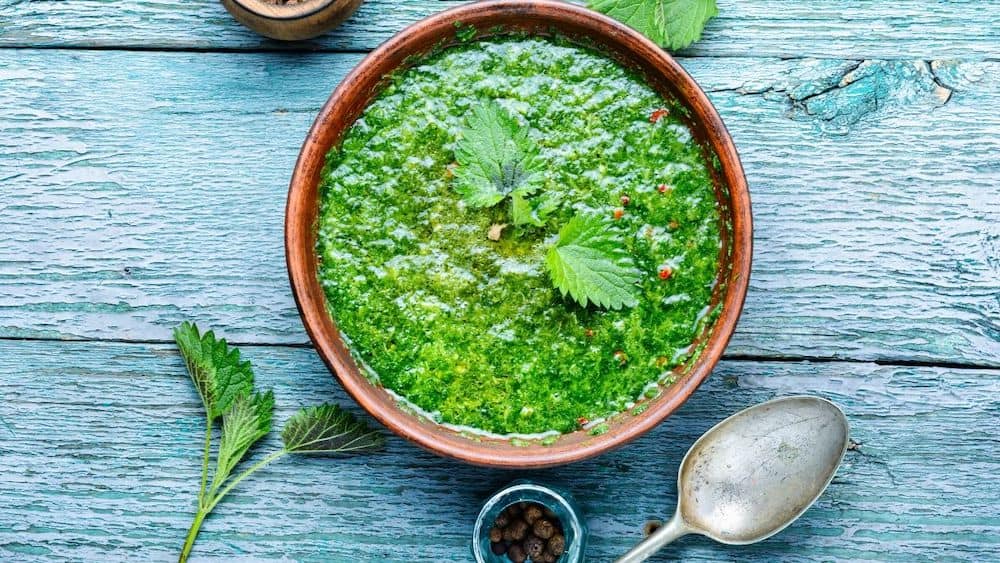
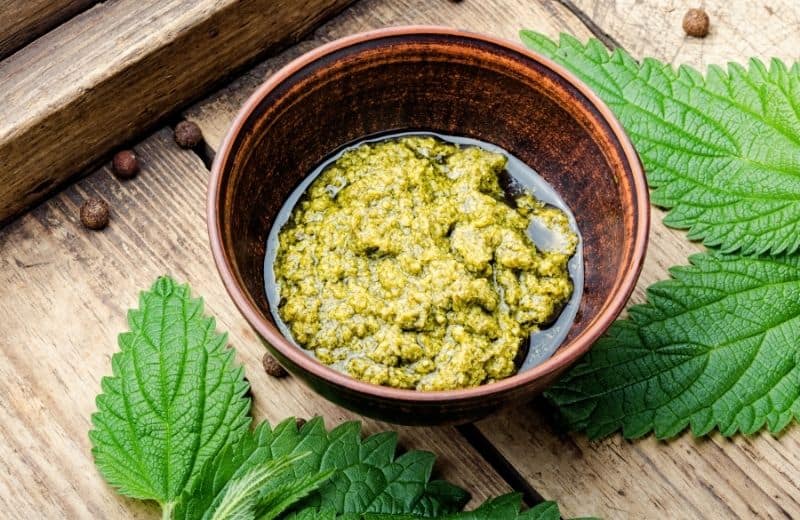
- Use the prepared greens. Add to soup, fold into an omelet, or blend into pesto. Start with a small quantity so you can judge the flavor and texture.
For preserving, follow Oregon State’s nettle preparation guide. Blanched leaves can be frozen in small portions. Keep homemade herb-and-oil mixtures refrigerated and use within four days, or freeze; do not store them at room temperature.
Who should avoid medicinal nettle?
The EMA does not recommend medicinal use during pregnancy or breastfeeding because safety is not established. Age restrictions depend on the preparation and purpose; do not give a child an adult supplement or medicinal tea regimen. Urinary-use preparations are unsuitable when a clinician has advised restricting fluids.
Nausea, vomiting, diarrhea, and allergic skin reactions are reported. Ask a pharmacist before using nettle with regular medicines, particularly diabetes medicines, blood-pressure treatments, or diuretics. Some proposed interactions come from animal research and their importance in humans remains uncertain.
Choosing a sensible use
For cooking, choose a food-grade ingredient and a safe preparation method. For a persistent symptom, identify its cause first. If a clinician recommends a specific herbal product, follow that product’s instructions instead of converting an extract dose into spoonfuls of leaves. A useful green vegetable does not need exaggerated medical promises to earn a place in the kitchen.