Dandruff Treatment at Home: What Helps and Which Remedies to Avoid
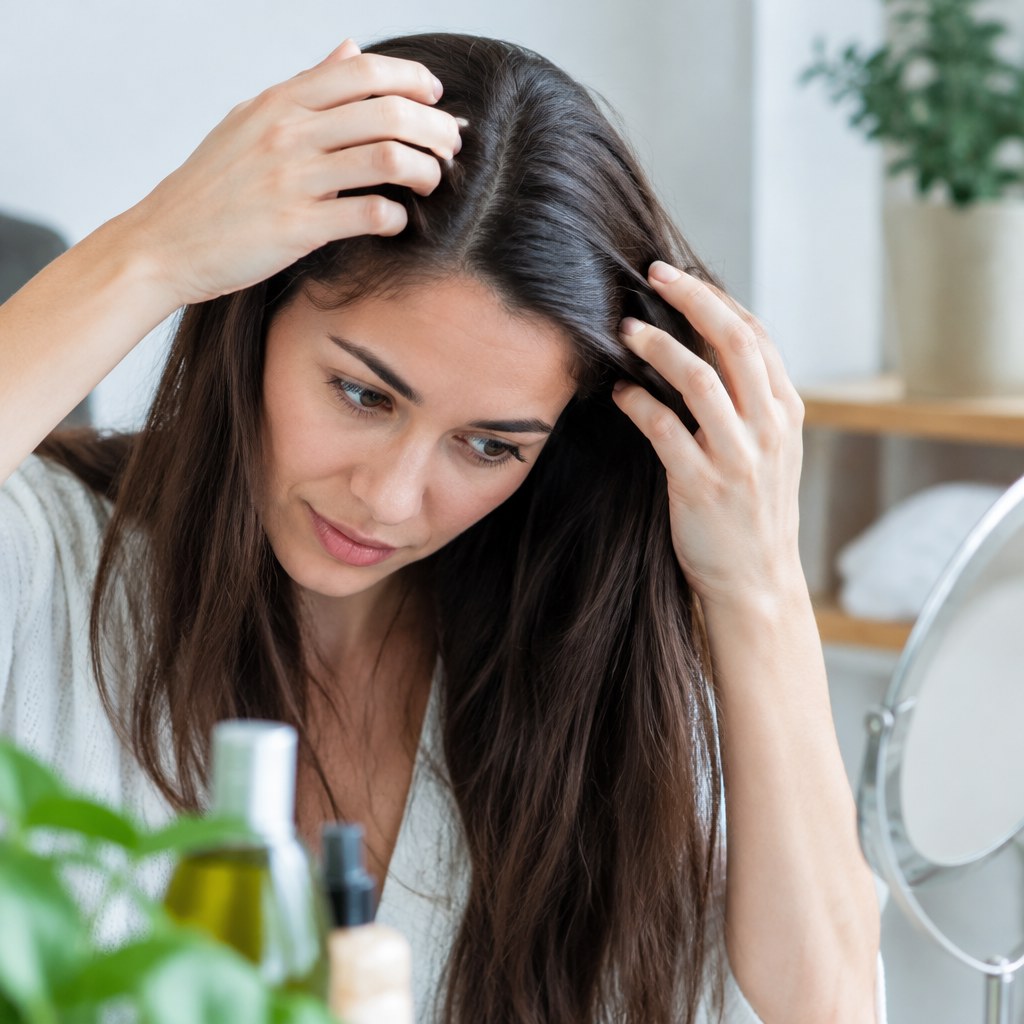
Dandruff can be itchy, frustrating and noticeable on dark clothing, but it is common and is not something you catch from another person. The most useful home treatment is usually a suitable anti-dandruff shampoo used consistently. Kitchen ingredients are not a reliable substitute, and some can make an irritated scalp worse.
First, make sure the flakes are dandruff
A flaky scalp does not always have the same cause. Seborrhoeic dermatitis, eczema, psoriasis and reactions to hair products can look similar. Scalp fungal infections can also cause scaling and may need prescription treatment. Avoid diagnosing every patch of flakes as simple dryness.
Dandruff is not proof of poor hygiene. Washing habits can affect how much oil and loose scale accumulates, but vigorous scrubbing is not the answer. It is often a recurring problem to manage, rather than something a single treatment permanently cures.
A practical treatment routine
1. Choose a shampoo by its active ingredient
Ask a pharmacist about an anti-dandruff product available where you live. Options include ketoconazole, selenium sulfide and salicylic acid; some products use coal tar. Ingredients and availability vary by country. Tell the pharmacist if this is for a child, if you have a sensitive scalp, or if your hair is chemically treated.
2. Follow the label, including contact time
Apply the product to the scalp, where the problem is, and leave it for the time specified before rinsing. More shampoo or a longer application is not necessarily better. Avoid the eyes and do not keep using a product that causes a new rash or significant burning.
3. Adapt washing to your hair
Oily, straight hair and tightly coiled, dry hair may need different routines. Medicated shampoo can be drying, so focus it on the scalp and condition the lengths as needed. Follow the product instructions rather than copying someone else’s daily washing schedule. A pharmacist can help if treatment conflicts with your usual hair care.
4. Give the routine a fair trial
The NHS advises trying anti-dandruff shampoo for up to four weeks. Note the product, how often you use it and whether the itching and flakes change. If it does not help, seek advice about a different ingredient or assessment instead of layering several remedies together.
Once symptoms improve, some people need maintenance treatment. Use the label or your clinician’s advice to decide the schedule. Keep a photo of the bottle or ingredient list so you can identify what worked.
What about the common home remedies?
Tea tree oil: a shampoo study is not a DIY recipe
A 2002 randomized trial studied a formulated shampoo containing 5% tea tree oil in people with mild to moderate dandruff. Its results cannot establish that adding an arbitrary amount of essential oil to your own shampoo is effective or safe. The evidence does not justify a guaranteed cure. NCCIH notes that tea tree oil can irritate skin. Never swallow it. Prefer a labelled product over mixing concentrated essential oils at home.
Coconut oil: do not confuse eczema research with dandruff treatment
The study previously linked here for a large dandruff improvement actually investigated coconut oil for atopic dermatitis in children. It did not establish that coconut oil cures dandruff. An oil making hair feel smoother is also a different outcome from treating an inflamed, flaky scalp. Do not replace a working scalp treatment with heavy oiling.
Aloe vera: tolerance and treatment are different questions
Some people like the feel of an aloe-containing product, but that does not establish a dandruff cure. NCCIH reports occasional burning, itching, rash and eczema from topical aloe. Stop if a product irritates you; fresh plant gel is not automatically safer than a formulated product.
Yogurt and probiotics
Eating yogurt, taking a particular probiotic supplement and applying yogurt to the scalp are three different interventions. Evidence about one cannot be used to promise the same result from another. A food mask is not a substitute for an anti-dandruff shampoo, and this article does not recommend one as treatment.
Fenugreek and neem
Laboratory antimicrobial findings do not show that a homemade seed paste or leaf rinse will treat dandruff in people. Concentration, preparation and skin tolerance matter. Without reliable evidence for the specific recipe, there is no sound basis for promising that a three-week course will clear the scalp.
Apple cider vinegar and lemon juice
Do not use acidic food mixtures to try to disinfect an already irritated scalp. The earlier advice to leave concentrated vinegar or lemon juice on the skin has been removed. Stinging is a reason to rinse a product off, not a sign that a treatment is working. If a product causes ongoing pain, blistering or a substantial reaction, get medical advice.
Baking soda and garlic
Scrubbing with baking soda is not an established dandruff treatment. Raw garlic is particularly unsuitable: published clinical cases document chemical burns after it was applied to skin. Do not cover a garlic paste under a cap or leave it on overnight. A natural ingredient can still injure skin.
Stress and food: useful support without cure promises
Stress can aggravate dandruff for some people. A manageable sleep routine, breaks and ways to unwind may support your wellbeing, but they do not replace scalp treatment. No specific food on the earlier list, including chocolate, garlic or onions, should be presented as a dandruff cure.
A varied diet is sensible for general health. Avoid buying supplements or excluding whole food groups solely because an online remedy claims flakes mean your immune system is weak. Persistent symptoms deserve a better explanation than that.
When to get checked
Arrange medical advice if symptoms remain after four weeks of appropriate shampoo use, the scalp is very itchy, red, swollen or painful, or flaky patches appear elsewhere. New patchy hair loss, broken hairs or sores also warrant an assessment rather than more home experiments. Bring the names of products you have tried.
For everyday tracking, look for less itch, less visible scale and a more comfortable scalp. Those are more useful goals than trying to make the scalp completely oil-free.
Sources
Information checked on 1 October 2026.
- American Academy of Dermatology: Treating dandruff
- NHS: Dandruff and when to seek help
- Satchell and colleagues: Trial of 5% tea tree oil shampoo
- NCCIH: Tea tree oil evidence and safety
- Evangelista and colleagues: Coconut oil trial in childhood atopic dermatitis
- NCCIH: Aloe vera safety
- Clinical report: Skin burns caused by crushed garlic