Oily Skin Care at Home: A Simple Routine and the Truth About DIY Remedies
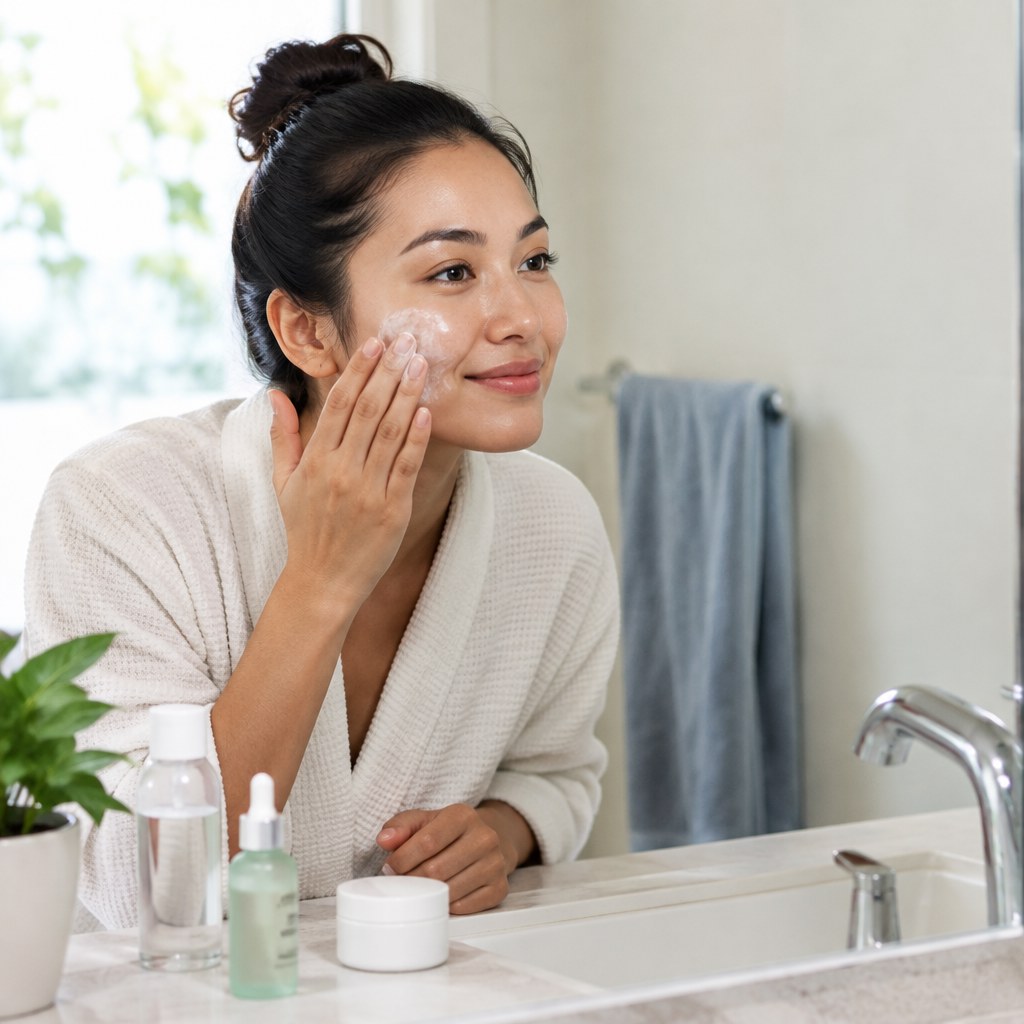
Oily skin does not mean your face is dirty. Skin naturally produces sebum, and the aim of a useful routine is to manage shine and keep the skin comfortable, not remove every trace of oil. You can start with a small number of affordable products rather than twelve homemade masks.
Some popular remedies feel refreshing or temporarily change how the skin looks. That is different from proving that they reduce oil production, treat acne or permanently shrink pores. Here is how to make a practical choice.
Updated October 1, 2026.
Oily skin and acne are related, but different
You can have shine without acne. Acne develops when follicles become blocked with oil and dead skin cells, with bacteria and inflammation contributing to spots. Hormonal changes, certain medicines and some skin or hair products can play a role. The NHS explains acne causes and treatment; scrubbing harder is not the answer.
Before choosing a product, decide what you want help with: midday shine, blackheads, sore spots, or irritation from your current routine. Those are different problems. A product that removes surface oil for a few hours may do little for painful acne.
A simple daily routine
The American Academy of Dermatology (AAD) recommends gentle cleansing up to twice daily and after sweating. Use your fingers without scrubbing. Follow with a moisturizer, even if your skin is oily.
- Morning: gentle cleanser, a light moisturizer as needed, and broad-spectrum sunscreen with SPF 30 or higher.
- Evening: remove makeup, cleanse gently, and moisturize. Use any acne treatment according to its directions.
- During the day: press blotting paper against shiny areas instead of repeatedly washing or rubbing.
Look for products labeled oil-free or noncomedogenic, including makeup. Noncomedogenic means formulated to be less likely to clog pores; it is not a promise that every product will suit you. Avoid harsh alcohol-based cleansers. Sunscreen, shade and protective clothing remain useful even when your skin feels greasy.
Use the same small routine consistently before deciding whether to add anything. Keep a note of product names and what changed after each addition. If you introduce several masks, acids and cleansers together, it becomes much harder to identify what helped or caused a reaction.
What the evidence says about familiar home remedies
Clay masks: optional, with modest expectations
A 2012 pilot study of a clay and jojoba-oil mask reported improvement in skin lesions over six weeks. However, it was an observational study without a comparison group, and it tested a combination product. It cannot prove that any clay mixture treats acne or permanently lowers sebum production.
If you enjoy a mask, choose one intended for facial use and follow the label rather than making an unspecified mixture. A mask is an optional cosmetic step, not the foundation of acne care. Do not assume that clay cannot irritate merely because it is naturally occurring.
Aloe vera and colloidal oatmeal: comfort is not oil control
Aloe may feel soothing, but that does not establish that an overnight application will leave you oil-free. NCCIH describes limited acne research involving aloe alongside other treatments; it also reports occasional skin reactions. Those findings do not validate aloe juice as a replacement for acne treatment.
Colloidal oatmeal can be an ingredient in products for irritated skin. It should not be presented as a proven way to stop sebaceous glands producing excess oil. A soothing product and a treatment for persistent breakouts have different jobs.
Apple cider vinegar and lemon: leave them out
Vinegar can cause skin injury, including burns. Poison Control cautions against using it as a skin remedy. An improvised dilution is not equivalent to a formulated product containing a controlled concentration of a skin-care acid.
Lemon juice is also a poor choice for a face mask. Citrus juice can react with sunlight and cause a painful, sometimes blistering rash, as the AAD explains. Mixing it with honey or yogurt does not turn it into a reliable treatment.
Cucumber, turmeric, tomato, papaya, honey, milk and egg white
The earlier version of this article described these foods as reliable ways to regulate oil, tighten pores or prevent aging. The sources reviewed do not establish those claims for the homemade recipes given. Nutrients in a food, antibacterial activity in a laboratory, or a temporary tight feeling after a mask dries do not prove a lasting benefit on a person’s face.
You do not need a separate kitchen recipe for each symptom. Eating a food and putting it on skin are different exposures, and a product containing a purified ingredient is different from raw food. Skip raw egg and milk masks and complicated fruit mixtures; they add steps without a demonstrated advantage over a basic routine.
If you still want to use a mask
The AAD’s facial-mask guidance emphasizes choosing ingredients for your skin and avoiding irritation. Follow the specified contact time and rinse it off promptly if it burns, stings or itches. A stronger sensation is not proof that it is working.
Check whether your mask repeats ingredients already present in a cleanser or treatment, especially exfoliating acids. A long routine can expose you to the same type of ingredient several times without your realizing it. You can also decide that a mask is unnecessary; it is not a required step for healthy-looking skin.
Try a new formulated product on a small area before wider use. See the AAD’s instructions for testing skin-care products. A home trial cannot guarantee that a future reaction will never occur.
When oiliness comes with acne
A pharmacist can help you choose an appropriate acne product, such as one containing salicylic acid or benzoyl peroxide. Follow its directions rather than combining multiple new treatments. Do not squeeze or pick spots.
Arrange medical advice if spots are deep, painful, widespread or leaving scars, if self-care is not helping, or if your skin is affecting your confidence or mental health. Prescription options are available. Bring a list of products you use, including hair oils that touch your forehead.
A reasonable goal is less irritation and a routine you can sustain. Naturally oily skin does not need to become completely matte all day to be cared for well.