Dry Hair Care at Home: A Practical Routine and Remedy Safety Guide
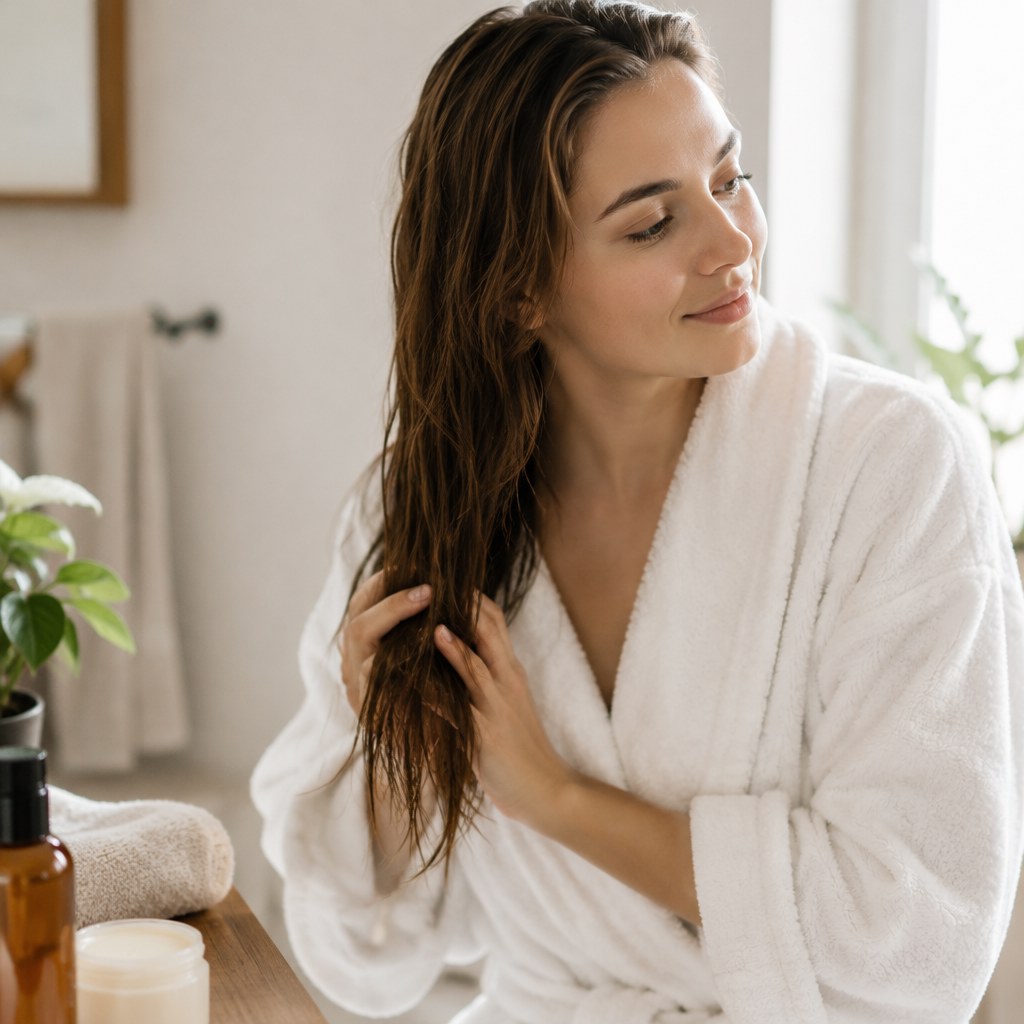
Dry hair can feel rough, tangle easily and look dull. The first step is to reduce the things that are drying or damaging it, then choose care that makes it easier to handle. You do not need twelve kitchen masks, and no food mixture can guarantee to repair every split end or solve every scalp problem.
Conditioning existing hair is different from treating hair loss or an itchy scalp. Use this guide to build a simple routine, then seek advice if the problem persists or comes with other symptoms.
Work out what changed
Consider whether dryness began after bleaching, straightening, frequent hot-tool use, swimming, a change of shampoo or a move to a drier climate. Hair that has always been dry or tightly textured may need a different routine from hair that suddenly becomes brittle.
Less commonly, nutritional or hormonal problems can contribute. MedlinePlus recommends assessment if gentle treatment does not help, hairs are breaking or falling out, or other unexplained symptoms occur. Do not assume every change is a vitamin deficiency or buy a supplement before understanding the cause.
A simple routine to try
Clean the scalp without repeatedly scrubbing the lengths
Choose a gentle shampoo suitable for your hair and wash according to scalp oil, dirt and styling-product buildup. If frequent washing leaves the lengths drier, adjust the routine instead of applying more masks afterward. Work shampoo mainly over the scalp and let the rinse run through the rest of the hair.
Condition after washing
Use a rinse-out conditioner, paying attention to the drier lengths and ends. A leave-in product designed for your hair type may help with detangling. Start with the label’s amount; if hair feels coated or limp, more product is unlikely to be the answer. A conditioner improves manageability but cannot undo every kind of structural damage.
Handle tangles and drying gently
Work through small sections from the ends upward. Blot or wrap the hair instead of rubbing it hard with a towel. Reduce heat exposure and repeated chemical processing while you assess the change. Keep any tied style comfortable, especially around a fragile hairline.
Protect hair when swimming
A swim cap can limit exposure to pool water. Rinse afterward, then use appropriate cleansing and conditioning products. For frequent swimmers, ask a stylist about a routine that fits your hair rather than repeatedly using a harsh cleansing treatment.
Reviewing 12 commonly suggested remedies
1. Mayonnaise
A fatty food coating may change the feel of hair temporarily, but mayonnaise is not an established treatment for brittle strands. It is less predictable to apply and rinse than a formulated conditioner. There is no need to put it on the scalp or leave it under a cap to achieve basic conditioning.
2. Eggs
Eating enough protein supports nutrition; coating hair with raw egg is a different intervention. The protein content does not demonstrate that an egg mask repairs dry hair. Skip raw-food scalp recipes, especially if you have an allergy or irritated skin.
3. Coconut, argan and other oils
Coconut oil has some evidence for reducing protein loss from hair fibers. This does not establish that it prevents all hair loss or treats dandruff. If you choose to use a conditioning oil, try a small amount on the lengths and assess the result after washing. Heavy overnight scalp oiling is not necessary.
Argan and jojoba oils are not essential oils; concentrated peppermint or lavender oil is a different kind of product. Do not treat them as interchangeable ingredients. See our essential-oil evidence and safety guide for that distinction.
4. Yogurt and honey
A yogurt-and-honey mixture has no established advantage over a conditioner for this purpose. Adding vinegar does not turn it into a repair treatment. Avoid a complicated recipe that requires extra shampooing or pulling to remove residue.
5. Henna
Henna is used to color hair; it is not a universal remedy for dryness or dandruff. It may produce a lasting color change you did not want. If you plan to dye your hair, use a labelled product, follow its directions and skin-test instructions, and discuss previous color treatments with your stylist.
6. Banana
The potassium in a banana does not prove that mashed fruit repairs a hair shaft when applied externally. A mask may be difficult to remove from textured or tangled hair. Keep the distinction between nutritious food and tested hair care clear.
7. Fish and diet
Fish can contribute protein and other nutrients to a varied diet, but eating more fish cannot promise to cure dryness, thinning and dandruff together. People who do not eat fish can still build a balanced diet. Persistent symptoms need assessment, not an instruction to eat unlimited fish or take high-dose supplements.
8. Avocado
Avocado is another food commonly promoted as a mask. A temporary slicker feel is not evidence of new growth or permanent damage repair. If softness is the goal, compare results with your regular conditioner before adding a messy extra step.
9. Butter
Butter is not a necessary hair treatment. Applying more grease can mean needing more cleansing later, which may be unhelpful for a routine intended to reduce handling. There is no established reason to massage it into the scalp for thirty minutes.
10. Tea rinses
A tea rinse should not be promised as a cure for dry hair or a predictable dye. If color is your goal, choose a product intended for that use rather than relying on an inconsistent household rinse. Do not use hot liquids on the scalp.
11. Apple cider vinegar
Vinegar cannot be assumed to repair damaged strands because it is acidic. This routine does not require a DIY vinegar spray. Burning or stinging is not a beneficial effect, and a sensitive scalp is a reason to simplify products rather than add acidic mixtures.
12. Aloe vera
Aloe may appear in cosmetic products, but it does not guarantee longer, stronger hair. Topical aloe can occasionally cause skin reactions. Do not drink aloe products to treat hair dryness; oral products have separate risks and are not a shortcut to conditioning hair.
What to do about split ends
Hair-care products can temporarily smooth the feel of damaged strands, but split ends do not heal like a cut in living skin. Trimming removes the split portion. Gentler care then helps reduce further damage; neither a trim nor a mask changes the speed at which follicles grow hair.
Ask a stylist to distinguish frizz, breakage and split ends before buying a long list of treatments. A shorter, repeatable routine is easier to evaluate than alternating twelve different ingredients.
Check progress without over-treating
Over the next few washes, note whether detangling is easier, the ends feel less rough and fewer strands snap during handling. Change one product or habit at a time. Do not judge success only by shine immediately after coating hair in oil.
Get medical advice for persistent dryness despite gentle care, unusual shedding, bald patches or scalp pain, sores or inflammation. Bring your product list and explain when the change began. If the main concern is thinning, our hair-growth guide explains why diagnosis matters.
Sources
Information checked on 1 October 2026.